Why go
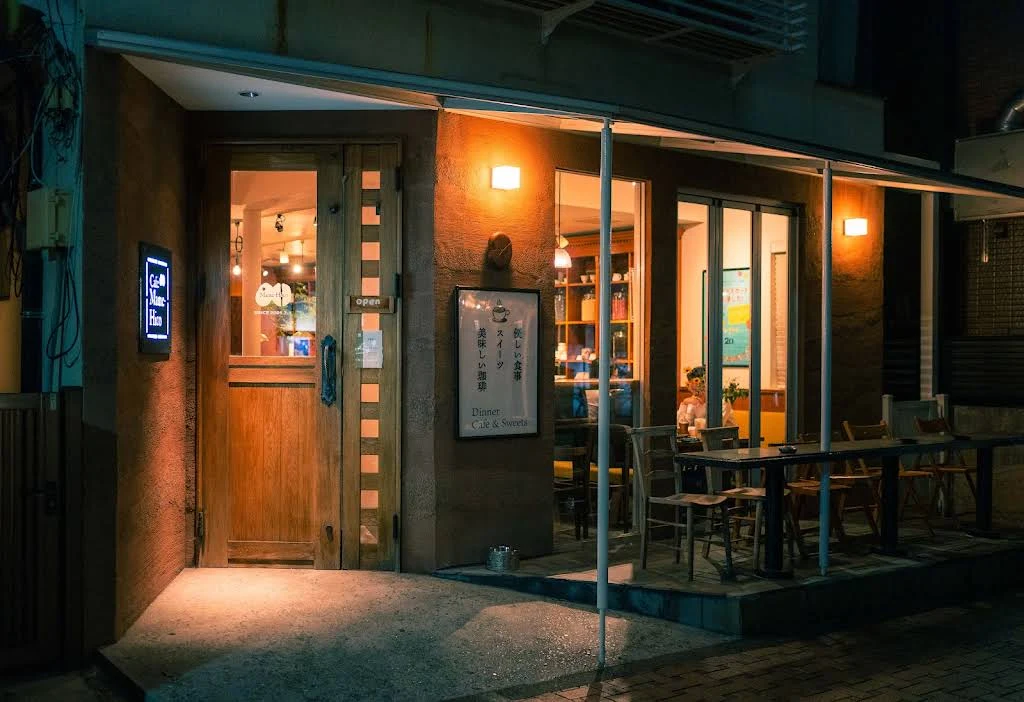
Approaching a residential café in Okusawa changes the tempo of Tokyo dining. The city’s high-gloss counters and reservation-only tasting rooms are elsewhere; here the signal is domestic scale, terrace seating, and the compact grammar of coffee with Western-style bakes. That smaller register matters. Tokyo’s café culture is not a single scene but a set of local habits, from kissaten formality to bakery cafés built around short visits, takeaway, and repeat orders. Okusawa Factory Coffee and Bakes sits in the latter camp, where regulars return because the format fits daily life rather than a special-occasion itinerary.
That does not make it casual in the careless sense. Tabelog selected it for Cafe EAST “Tabelog 100” in 2025, a useful trust signal in a city where cafés compete through consistency more than ceremony. The recognition places the shop inside a curated East Japan café cohort, not the luxury restaurant bracket. That distinction is the point: Tokyo’s serious cafés often operate at low spend, small capacity, and high frequency, which makes them valuable to locals and slightly awkward for visitors trying to read them like destination restaurants.
Okusawa's café rhythm is local, compact, and repeat-driven
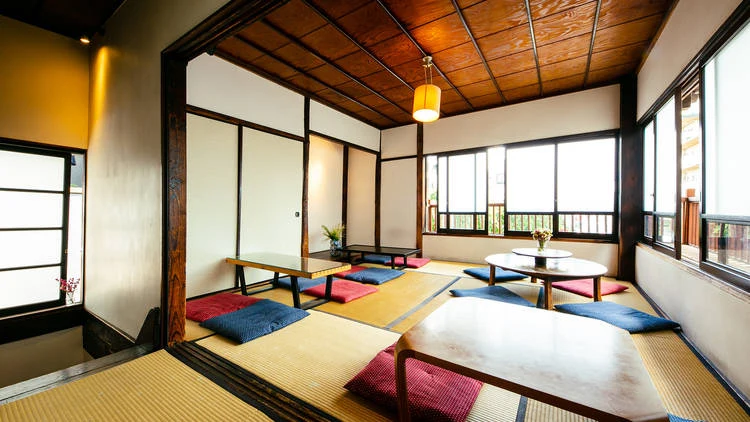
Okusawa and nearby Jiyugaoka have long supported a gentler kind of food crawl: bakeries, sweets counters, coffee rooms, curry shops, and small restaurants arranged around station life rather than nightlife gravity. The area rewards short stops and personal routines. A café here earns loyalty by being useful at the right hour, comfortable at the right scale, and consistent enough that the decision does not need discussion. In that context, a 20-seat room with interior tables, a few counter places, and terrace seating reads as a neighbourhood asset rather than a stage set.
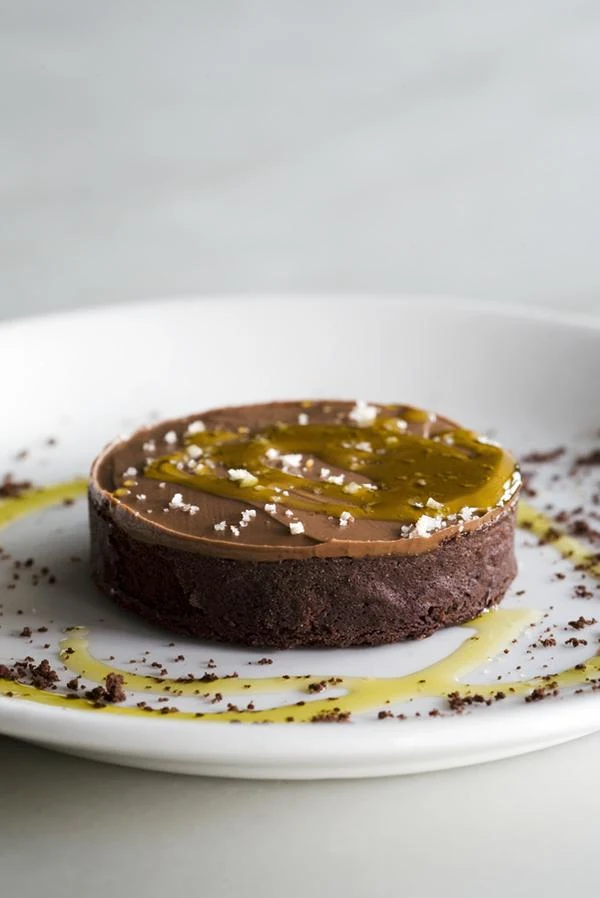
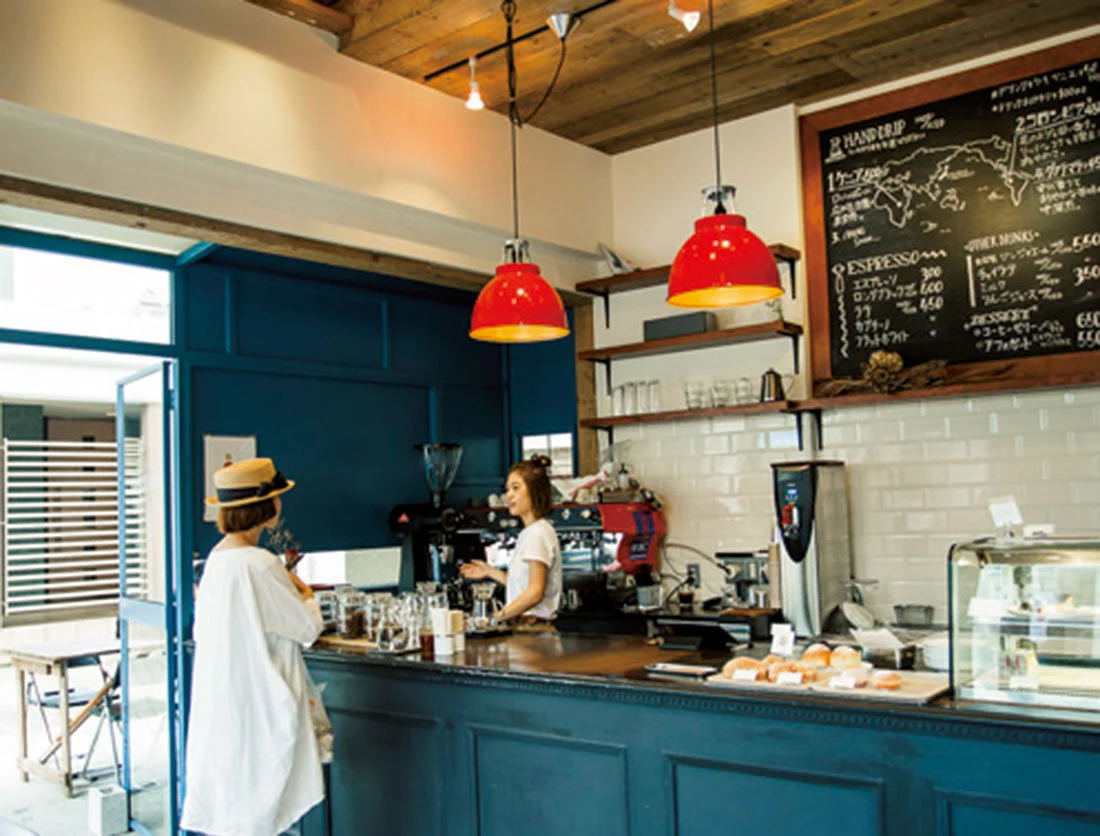
The category also matters. “Cafe, Sweets (Western style)” in Tokyo covers a broad range, from old-school coffee service to contemporary bake-led counters. Okusawa Factory Coffee and Bakes works within a format that has become increasingly important across the city: coffee as the anchor, baked goods as the reason to linger, and take-out as a practical extension rather than an afterthought. Compared with a dining-room restaurant, the transaction is lighter; compared with a convenience coffee stop, the craft expectation is higher.
That middle position explains the regulars’ perspective. The unwritten menu at this kind of café is not a secret list of off-menu items; it is the habit of knowing when to come, whether to sit inside or outside, and when to carry something away. Terrace seats also change the audience, since pets are allowed there, and children are welcome. Those details pull the café out of the connoisseur-only lane and into the fabric of local use.
A low-spend café with award credibility, not a luxury dining performance
Tokyo visitors often over-index on scarcity: the counter that takes months, the chef’s-menu room, the tasting format with a fixed pace. Cafés like this answer a different question. They ask whether a place can remain serious without turning breakfast, coffee, or a sweet stop into theatre. A Tabelog score of 3.65 and 2025 Tabelog 100 café selection give the venue measurable credibility, but the experience belongs to a lighter tier of the city’s food culture.
That distinction is useful when comparing across Tokyo. Yakitori Uno, for instance, sits in a dinner-led yakitori bracket with a far higher spend, while ARTISAN BOULANGER CUPIDO occupies a similarly accessible bakery-adjacent price tier. Cafe Enseigne Dangle Jiyuugaoka ten points toward the area’s coffee-room tradition, where atmosphere and repetition carry weight. Okusawa Factory Coffee and Bakes is closer to the everyday café-and-bakes conversation than to restaurant dining, and judging it by chef’s-menu standards misses the category.
It also helps to separate it from Tokyo’s visual cafés. A place such as 2D Cafe trades partly on graphic impact; Okusawa’s appeal is quieter, closer to the regular stop than the camera-first detour. For a wider city map, Our full Tokyo restaurants guide tracks the broader spread, from casual counters to award-led dining rooms, while Our full Tokyo bars guide, Our full Tokyo hotels guide, Our full Tokyo wineries guide, and Our full Tokyo experiences guide help place the café within a fuller itinerary.
How to fold it into a Tokyo food day
The intelligent use of this café is modest and precise. Treat it as a neighbourhood stop in Setagaya, not as the sole reason to cross the city during a packed dining day. Its scale, terrace option, take-out service, and family-friendly posture make it more flexible than many destination restaurants. The relocation timeline also matters for planning: operations at the former Okusawa location ended on August 25, 2025, with a pre-opening scheduled from April 24 to 27, 2026, under the Anka-coffee & bakes name at Seta no Mori Garden & Terrace in Setagaya.
For readers building a Tokyo day around contrasts, the café pairs well with the city’s more structured eating formats. A casual morning or afternoon in Setagaya can sit alongside later plans at 124. KAGURAZAKA (Yakitori), 12/10 Shinjuku ten,. 鮪と炭火焼き うお炭 秋葉原店, or 3 Chome no Curry Ya San. The contrast sharpens the city: coffee and sweets by day, smoke, curry, or counter dining by night.
Beyond Tokyo, similar low-cost specialist formats show how Japan and its diaspora treat casual food with unusual seriousness. Compare the café logic with.cafe in Osaka,.know in Kumamoto, [ki:] in Kyoto, [Curry Senmon Ten] Maruyama Kyoju. in Sapporo, (Shoku) Vietnam in Kawasaki, and -Grilled beef Sukiyaki- KAMAKURA TANUKIAN 鎌倉 たぬき庵 in Kamakura. Further afield, Jōdo Saké Bar in Los Angeles and Onigiri Time in Pasadena show how narrow formats can carry cultural weight without luxury signals. Okusawa’s lesson is the same: the regular table, the small spend, and the repeatable ritual can say as much about a city as its grand dining rooms.