Why go
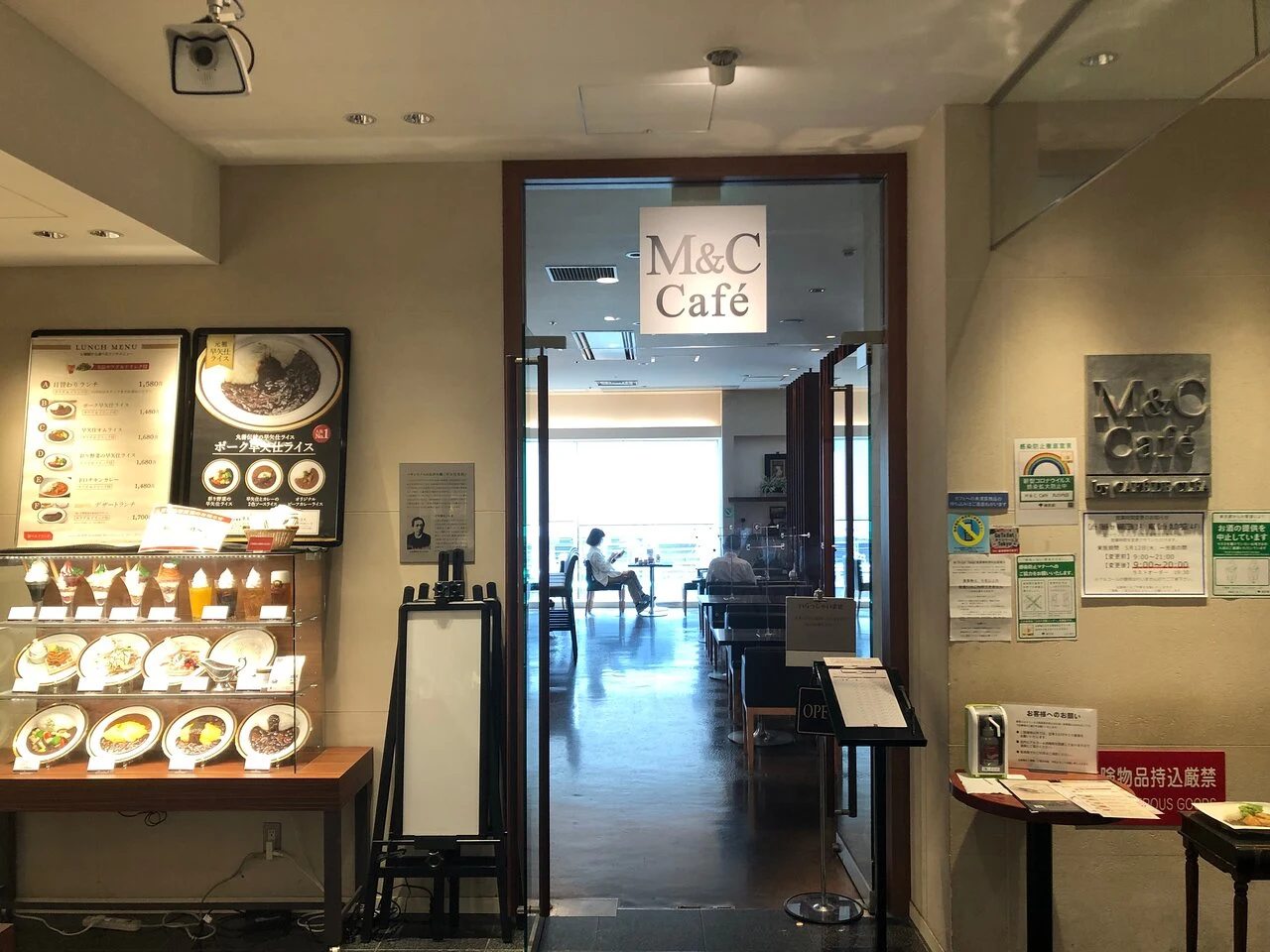
Marunouchi cafe culture is not Tokyo’s backstreet kissaten romance. Around Nijubashimae, the pace is corporate, polished, and edited: stone lobbies, controlled lighting, office workers between appointments, and cafes that act as both pause and punctuation. Rose Bakery Marunouchi fits that rhythm, treating the cafe not as a shopping or business afterthought but as a compact all-day format built around bread, Western-style sweets, and light meals suited to this part of Chiyoda.
Tokyo’s cafe scene has widened over the past decade: theatrical social-media rooms, specialist coffee counters where extraction is the event, and European-leaning bakeries that double as lunch rooms. Marunouchi rewards the last category because the neighbourhood values consistency over spectacle. A cafe here must absorb weekday office traffic, weekend museum-and-shopping movement, and visitors around Tokyo Station. Reputation is built less on rarity than repeatability.
Marunouchi cafe culture has shifted from break stop to edited daytime dining
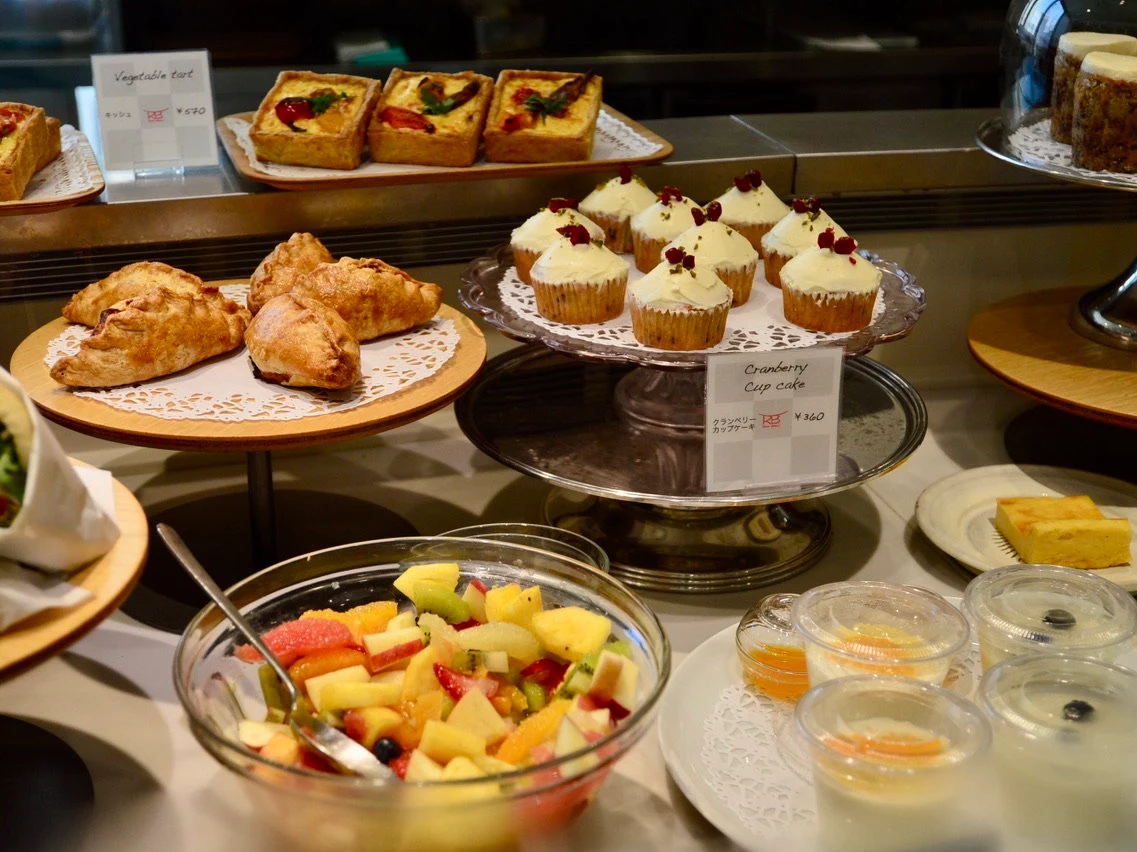
Rose Bakery Marunouchi is best read through that shift. Its listed categories, cafe, bread, and Western-style sweets, place it in a hybrid lane Tokyo now understands: part bakery counter, part casual lunch address, part tea-and-cake room. This is not kappo-counter ceremony or the tasting-menu logic behind much of Tokyo’s international dining reputation. It is an everyday luxury, where value lies in reliability, location, and a format that works across the day.
The awards matter because Tokyo cafe rankings contain many models. Selection for Tabelog Cafe 100 in 2021, 2022, and the Cafe EAST list in 2025 places this address in a recognised group rather than the anonymous mall-cafe category. Its 2025 Tabelog score of 3.71 is useful calibration: in Japan’s user-rating culture, especially on Tabelog, scores move conservatively, and cafes compete across coffee specialists, patisseries, bakeries, and hybrid dining rooms.
In Marunouchi, comparison helps. CACAO SAMPAKA Marunouchi honten and Echire Maison du Beurre pull the area toward chocolate and butter-led retail pastry, with higher listed spend ranges. La Boutique de Joël Robuchon Marunouchi burikkusukuea ten occupies a similar European-bakery conversation at a comparable casual price. Grill Ukai and Wolfgang's Steakhouse Marunouchi Tokyo represent the district’s more formal lunch-and-dinner infrastructure. Rose Bakery Marunouchi is the softer daytime option: less occasion-driven than steak or grill rooms, less narrowly product-led than butter or chocolate boutiques, and more useful for a mid-course pause in the Marunouchi day.
The food language is European cafe, but the discipline is Tokyo
Tokyo has long absorbed European cafe formats without copying them literally. The city tightens the operation: clearer categories, sharper service rhythms, and an expectation that even casual places hold a defined identity. Here, identity is not chef-led in the public-facing way of fine dining. No chef biography is central, which suits the format. The food language is carried by category, bread and Western-style sweets, rather than by a named auteur.
That matters because travellers often judge cafes too loosely. In Tokyo, the difference between a convenient cafe and a serious one usually shows in curation, not grand gestures. A recognised cafe can build authority through repeat selection, a stable audience, and a format supporting eating in and take-out. This address sits in the family-and-friends lane rather than the late-night or business-entertainment lane, explaining its role as neighbourhood utility within a high-value commercial district.
The evolution angle is subtle but important. Tokyo’s premium casual dining has moved away from the idea that quality must announce itself through long menus, hushed rooms, or chef mythology. Cafes like this occupy a current middle ground: design-aware but not formal, central but not necessarily tourist-facing, recognised but not built around scarcity. That is a mature Marunouchi model, where the audience is often time-limited and repeat-driven. The room must work for a quick solo stop, a light lunch between appointments, or a low-pressure meeting without restaurant-booking choreography.
For travellers mapping Tokyo through food, the address is useful in a specific way. It is not a substitute for the city’s specialist sushi, tempura, yakitori, or ramen traditions. It shows how central Tokyo eats when the meal is not the entire event. That context pairs with nearby and citywide contrasts: a more casual visual-cafe register at 2D Cafe, curry specificity at 3 Chome no Curry Ya San, and evening izakaya or grill energy at . 鮪と炭火焼き うお炭 秋葉原店, 12/10 Shinjuku ten, and 124. KAGURAZAKA (Yakitori).
How to place it within a Tokyo itinerary
The strongest use case is not a destination meal planned days around one table. It is a precise daytime anchor in Marunouchi, especially when the itinerary includes Tokyo Station, the Imperial Palace side of Chiyoda, or shopping and galleries in the central business district. The lack of private rooms and casual cafe format make the decision simple: come for an easy meal or sweets-and-bread stop, not a formal celebration or long evening program.
That clarity helps international visitors because Tokyo can be hard to sort by format. A low-priced recognised cafe in Marunouchi belongs in a different mental category from a reservation-only counter, but can be just as revealing about the city’s standards. Its appeal is how neatly the format answers a local need, giving central Tokyo a polished, accessible daytime option without acting like a grand restaurant.
Readers building a wider Japan route can contrast the capital’s cafe-and-bakery discipline with regional casual dining through.cafe in Osaka,.know in Kumamoto, (Shoku) Vietnam in Kawasaki, [Curry Senmon Ten] Maruyama Kyoju. in Sapporo, [ki:] in Kyoto, and -Grilled beef Sukiyaki- KAMAKURA TANUKIAN 鎌倉 たぬき庵 in Kamakura. For a transpacific comparison of Japanese drinking and casual-food culture, Jōdo Saké Bar in Los Angeles and Onigiri Time in Pasadena show how Japanese formats change once removed from home-city infrastructure.
For broader planning, Our full Tokyo restaurants guide gives the dining spread, while Our full Tokyo hotels guide, Our full Tokyo bars guide, Our full Tokyo wineries guide, and Our full Tokyo experiences guide help place Marunouchi within the wider city. Rose Bakery Marunouchi earns attention because it explains a quieter side of Tokyo dining: recognised, central, practical, and shaped by the daily habits of a district with little patience for empty theatre.