Setagaya

PATISSERIE ASAKO IWAYANAGI

BakeryPatisserie4.2 on GoogleAbout $20 a head
PATISSERIE ASAKO IWAYANAGI

Why go

The approach to Todoroki changes the tempo before the first fork hits porcelain. This is not the department-store dessert floor, with cakes under bright glass beside commuter traffic, nor the hotel salon built around chandeliers and ceremony. Setagaya’s pastry addresses feel more residential, intentional, and less forgiving of weak execution because the trip itself asks for a decision. PATISSERIE ASAKO IWAYANAGI fits that pattern: a cake-and-cafe address with 26 seats, counter space, terrace seating, takeout, and recognition enough to pull dessert-focused travelers away from the central wards.

Tokyo’s sweets culture has two strong currents. One is transactional: the quick gift box or cut cake from a railway-adjacent counter. The other is seated and slower, closer to a tea salon or dessert course, where composition and pacing matter. This patisserie sits between them. Regular cut cakes require less commitment than the eat-in area, while whole cakes and seated visits belong to a more planned category. That split is the useful lens: daytime pastry as an accessible purchase, and the room as a controlled setting for people who treat dessert as the main event rather than a postscript.

Setagaya pastry culture, seen through the lunch-and-dessert divide

Tokyo’s central restaurant conversation is dominated by sushi counters, kappo rooms, French tasting menus, and yakitori specialists, but the city’s pastry map follows different logic. It is less tied to nightlife than to domestic ritual: gifts, dates, afternoon meetings, seasonal fruit, and the Japanese appetite for French technique filtered through local restraint. The serious patisserie visit often happens before evening. A room that would feel quiet at dinner can feel exacting in daylight, when cakes, tea, and service details have no dim lighting to hide behind.

That makes the lunch-versus-evening question less about conventional dinner service and more about value. A daytime stop can be a focused pastry purchase; a seated session shifts the experience toward a composed dessert outing. The distinction matters for travelers building a Tokyo eating day. A morning or early-afternoon pastry run leaves space for dinner elsewhere; a reserved cafe sitting should be treated as a main appointment. The patisserie’s Tabelog score of 3.84 and selection for Tabelog 100 - Sweets - TOKYO - 2023 place it inside a crowded but competitive category, not a novelty detour.

Within its immediate orbit, the comparison is revealing. ASAKO IWAYANAGI SALON DE THÉ operates at a higher spend tier, while Au Bon Vieux Temps Oyamadai ten and Parlour Laurel sit in a similar pastry bracket, and VENT DE LUDO Oyamadai ten occupies a lower casual bakery lane. Oyamadai Yamada belongs to a much higher restaurant spend category. These rooms do not compete dish for dish; Todoroki and Oyamadai simply support a dense food micro-scene, where a pastry stop can sit beside serious dining rather than function as a sweet afterthought.

Recognition without the hotel-pastry machinery

The trust signal is unusually clear for a sweets shop outside Tokyo’s luxury-hotel circuit. Repeated Tabelog Sweets Tokyo 100 selections, including 2018, 2019, 2020, 2022, and 2023, mark sustained attention rather than a single-season spike. In a city where pastry is technically demanding and commercially saturated, that continuity matters. It suggests a shop judged within Tokyo’s sweets field, not by general cafe standards.

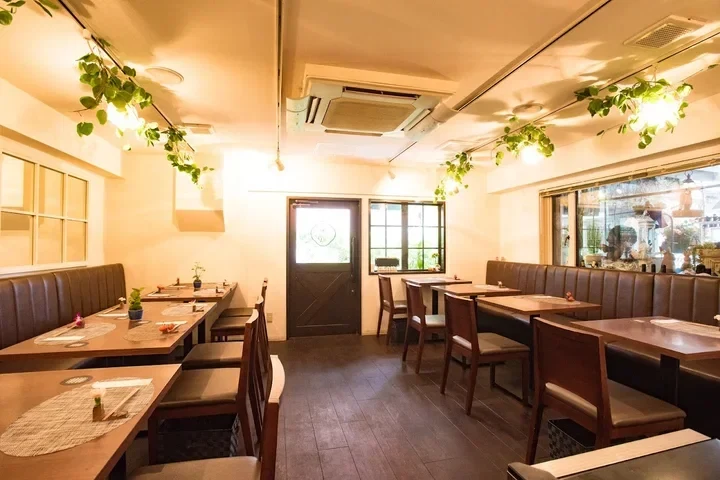
The format also tells a story. A 26-seat room with six counter seats, 18 table seats, and two terrace seats is small enough for the seated experience to feel curated, but not so small that the patisserie becomes a reservation trophy. Takeout keeps the address connected to everyday Japanese pastry habits; the sommelier note and stated interest in wine point to a more adult dessert culture, where sweetness is not automatically paired with coffee or tea. No service charge keeps the economics cleaner than many salon-style experiences, and the no-smoking policy aligns with the precision expected from serious pastry.

House should be read as part of Tokyo’s broader move toward specialist daytime formats. Travelers often overfill dinner slots and underplan sweets, then discover that the city’s pastry rooms run on their own rhythms. Decide whether dessert is a snack, a gift purchase, or the anchor of the afternoon. Each version produces a different day: the casual version belongs with a neighborhood walk and later dinner; the seated version asks for a narrower schedule and more attention.

How to place it in a Tokyo food itinerary

For a Tokyo itinerary, the patisserie works better as a west-side anchor than an add-on between central reservations. Setagaya is not difficult, but it is a deliberate shift from the hotel corridors of Marunouchi or the nightlife density of Shinjuku. That distance is part of the appeal: pastry here reads as neighborhood culture rather than tourist infrastructure. Pair it with a Setagaya or Jiyugaoka-adjacent afternoon rather than forcing it between Ginza lunch and an east-side dinner.

EP Club readers mapping a full food day should think in categories. For charcoal and tuna in Akihabara, see . 鮪と炭火焼き うお炭 秋葉原店; for Shinjuku dining, 12/10 Shinjuku ten sits in a different urban register; and for skewers, 124. KAGURAZAKA (Yakitori) shows how specialist formats drive Tokyo’s evening economy. Cafe comparison can start with 2D Cafe, while curry-focused planning can include 3 Chome no Curry Ya San. For the wider city map, use Our full Tokyo restaurants guide, Our full Tokyo hotels guide, Our full Tokyo bars guide, Our full Tokyo wineries guide, and Our full Tokyo experiences guide.

For travelers extending the same food logic beyond Tokyo, the comparison becomes national rather than local: -Grilled beef Sukiyaki- KAMAKURA TANUKIAN 鎌倉 たぬき庵 in Kamakura for a meat-focused excursion,.cafe in Osaka for cafe culture outside the capital,.know in Kumamoto, (Shoku) Vietnam in Kawasaki, [Curry Senmon Ten] Maruyama Kyoju. in Sapporo, and [ki:] in Kyoto. Across the Pacific, Jōdo Saké Bar in Los Angeles and Onigiri Time in Pasadena show how Japanese formats translate abroad, though Tokyo’s patisserie culture remains far more exacting in its everyday expectations.

Tags

ModernElegantCozyTrendyDate NightSoloSpecial OccasionCasual HangoutAfter WorkDesign DestinationStandalone
PATISSERIE ASAKO IWAYANAGI — Artefice