Why go
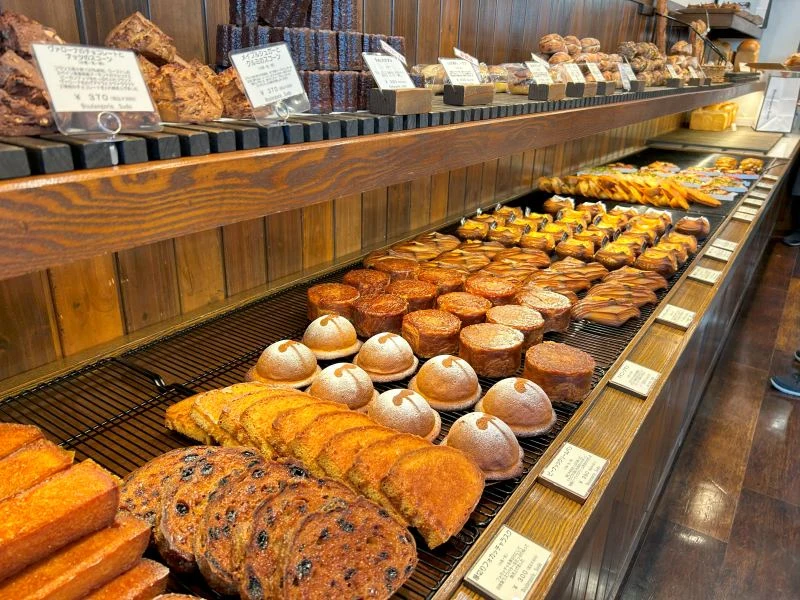
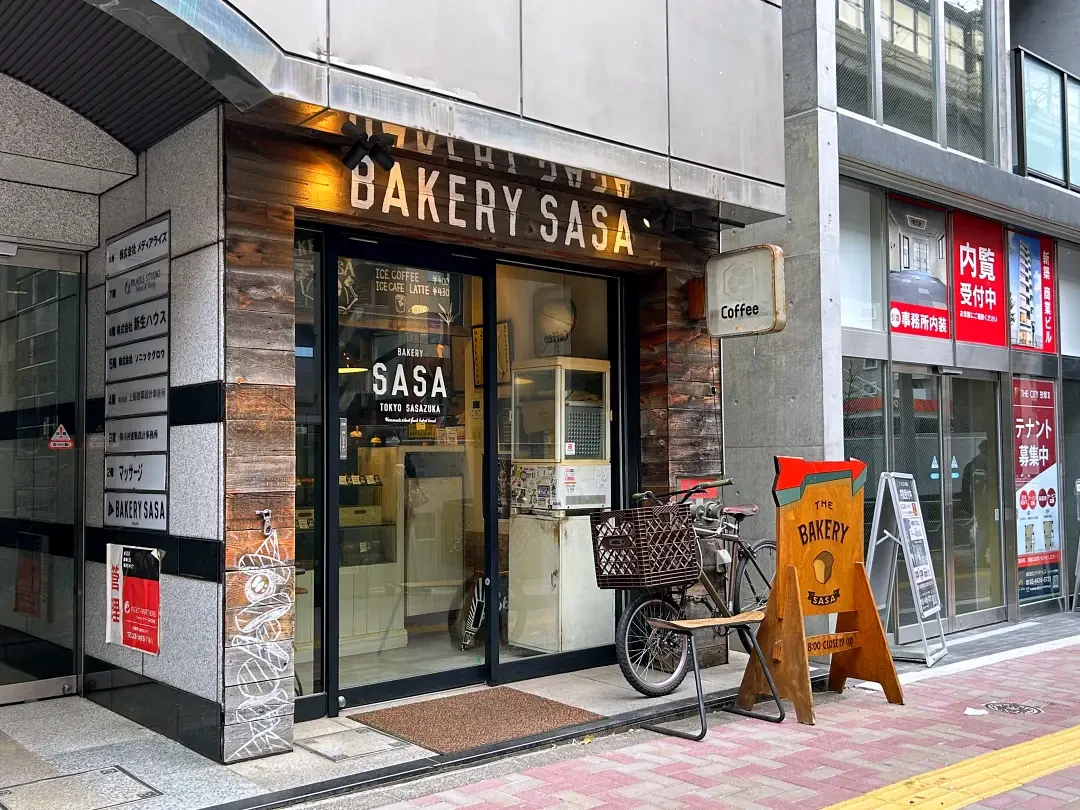
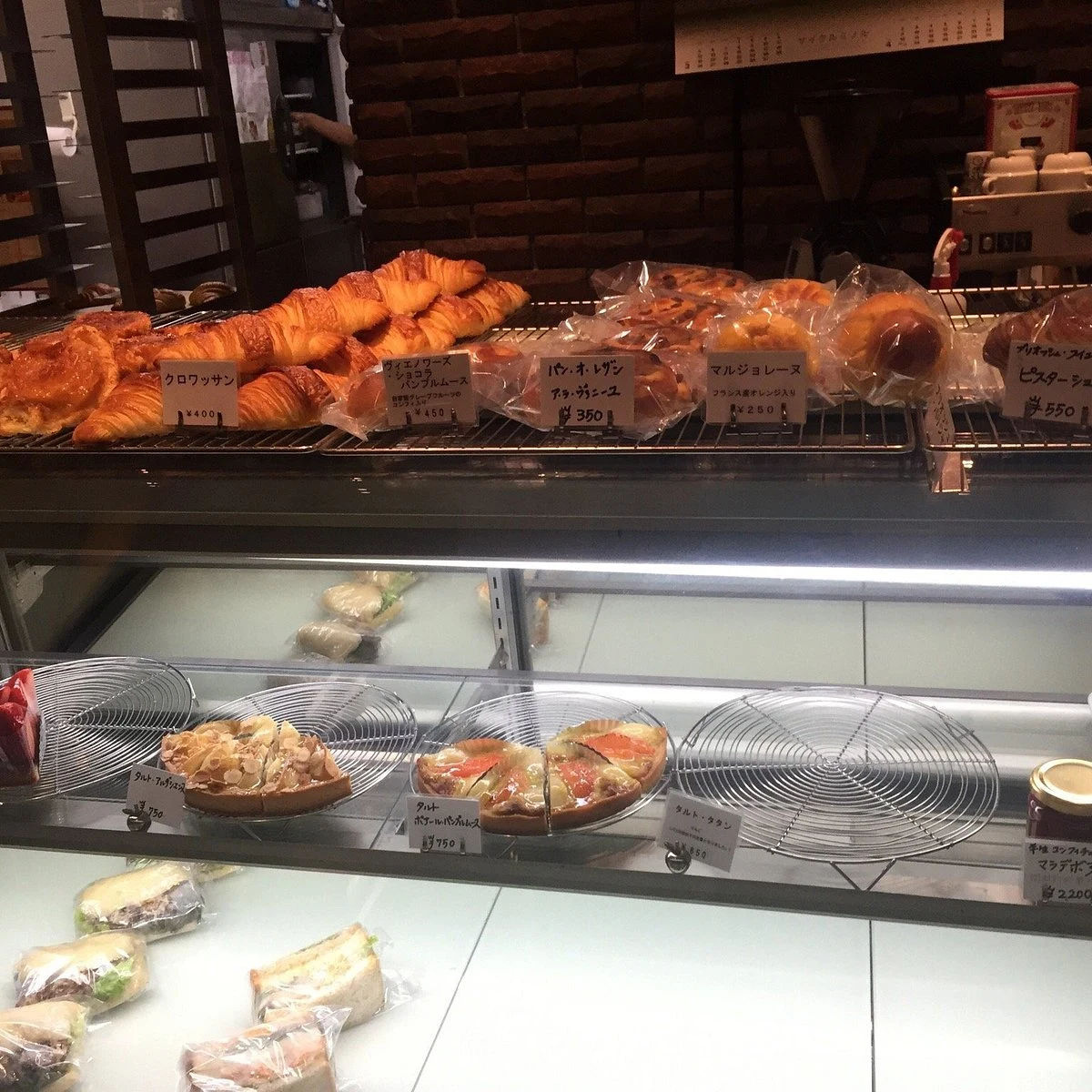
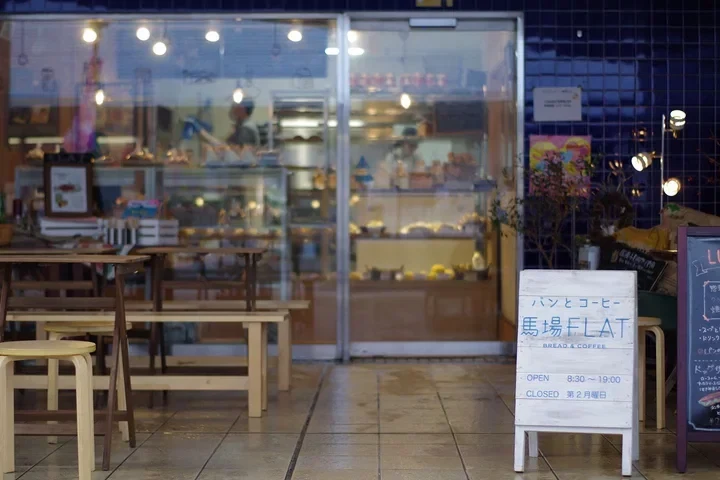
Setagaya-Daita does not announce itself with central Tokyo’s commercial glare. Its rhythm is quieter: low-rise streets, local foot traffic, and the slower Shimokitazawa–Daita pace suited to cafés built on repeat neighbourhood customers rather than spectacle. TOLO COFFEE AND BAKERY fits a Tokyo pattern that has grown more serious over the past decade: bread shops operating not just as retail counters, but as small all-day rooms where baking, coffee, lunch, and takeout share one address.
Tokyo’s bakery culture is integral to its restaurant scene. The city has absorbed French, German, Danish, and Japanese shokupan traditions, then filtered them through convenience, seasonality, and obsessive small-batch execution. The result is a category where a bakery can compete on craft without fine-dining theatre. TOLO COFFEE AND BAKERY’s inclusion in Tabelog Bread TOKYO 100 in both 2020 and 2022 places it among recognized bread specialists in a dense, price-sensitive, unforgiving city category.
Setagaya-Daita bread culture, without central-Tokyo performance
Western Tokyo rewards a different food business from Ginza or Roppongi. Around Shimokitazawa and Setagaya-Daita, restaurants and cafés work as everyday infrastructure: lunch places, coffee stops, casual meeting rooms, and weekend detours from the Odakyu Line. The bakery-café format is especially legible here. A bread program anchors the identity; pasta, sandwiches, and café service widen the reasons to visit across the day.
TOLO COFFEE AND BAKERY sits in the Bread, Cafe, and Pasta categories, a grouping more useful than a tidy cuisine label. Tokyo has many grab-and-go bakeries and many cafés where food is secondary to the room. This hybrid model demands discipline: bread must satisfy bakery seekers, while the café side must justify lingering. In this neighbourhood, the combination reads as practical rather than decorative.
The sustainability angle is more convincing at this scale than in restaurants that turn environmental language into theatre. Bakery-cafés can reduce waste by selling across formats: bread for takeout, bread folded into café lunch, and pastry or café items extending production beyond one service window. No claim needs inflating. Smaller menus, daytime trade, and multi-use baking output are often more materially relevant than grand rhetoric about ethical dining.
Within the local frame, the pricing band aligns with casual neighbourhood specialists rather than destination tasting rooms. Kyu Yamu Tei Shimokita sou and Curry Spice Gelateria KALPASI operate in a similar everyday bracket, while Nanban Tei Shimokitazawa ten reaches a higher casual-dinner range. Café Trois Chambres sits lower, closer to the old coffeehouse economy. TOLO COFFEE AND BAKERY belongs to the affordable specialist tier, where repeatable craft product does more work than décor or chef mythology.
The room is small enough for craft to matter
A 25-seat room changes the pace of a bakery-café. It caps volume and keeps the experience closer to a neighbourhood salon than a department-store food hall. Private-room availability adds a domestic note, but the core appeal is the small-scale link between production and service: bread, café plates, and pasta moving through a room that cannot hide behind size.
The café is also linked in public-facing information with Shirohige’s Cream Puffs Factory on the first floor while remaining separately managed. That relationship gives the building a broader pastry-and-café identity without making the second-floor operation merely an extension of the downstairs shop. For travellers, the distinction matters: the upstairs café can include cream puffs, but the editorial reason to come is the recognized bread-and-café format rather than a single character-shaped sweet.
Tokyo’s better casual food rooms often succeed because they know what not to become. This is not a chef-counter restaurant, luxury hotel bakery, or themed café built only for photographs. The evidence points to a durable model: opened in 2010, selected for Tabelog’s Bread TOKYO 100 in 2020 and 2022, and still positioned around bread, café service, and pasta rather than a sprawling menu. Longevity is a credential in this category; bakery customers return only when the daily product holds.
There is also a practical sustainability lesson in takeout. Tokyo often separates eat-in ritual from portable convenience, but bakeries bridge the two easily. A traveller can use the address as a sit-down café or a bread stop while moving through Setagaya. That dual function is modest environmentally but commercially intelligent: fewer single-purpose reasons to operate, more ways for one production cycle to serve the neighbourhood.
How to read it against Tokyo's broader dining map
For visitors building a Tokyo food itinerary, TOLO COFFEE AND BAKERY is a daytime counterpoint to reservation-heavy dining culture. It belongs with places that explain how Tokyo eats between acclaimed dinners: award-listed bakeries, cafés with food credibility, curry shops with loyal queues, yakitori rooms with narrow specialisms, and neighbourhood restaurants priced for repeat use. That is where the city’s food intelligence often shows most clearly.
The contrast is useful. A traveller might move from this Setagaya-Daita bakery-café to Akihabara seafood at . 鮪と炭火焼き うお炭 秋葉原店, Shinjuku dining at 12/10 Shinjuku ten, or skewers at 124. KAGURAZAKA (Yakitori). Tokyo’s range is format as much as cuisine. A graphic café such as 2D Cafe answers a different appetite from a curry address like 3 Chome no Curry Ya San. Build days around contrast rather than a single hierarchy.
For broader planning, Our full Tokyo restaurants guide gives the dining frame, while Our full Tokyo hotels guide, Our full Tokyo bars guide, Our full Tokyo wineries guide, and Our full Tokyo experiences guide place the meal inside the rest of the trip. The same logic applies outside the capital: regional dining addresses such as -Grilled beef Sukiyaki- KAMAKURA TANUKIAN 鎌倉 たぬき庵 in Kamakura,.cafe in Osaka,.know in Kumamoto, (Shoku) Vietnam in Kawasaki, [Curry Senmon Ten] Maruyama Kyoju. in Sapporo, and [ki:] in Kyoto show how Japan’s casual specialist culture changes by city. Across the Pacific, Jōdo Saké Bar in Los Angeles and Onigiri Time in Pasadena underline how Japanese formats travel, adapt, and become legible in new neighbourhoods.
The recommendation is narrow and clear: use TOLO COFFEE AND BAKERY for a daytime Setagaya-Daita stop when bread matters as much as the café setting. Its value is not excess, but the opposite: a compact room, a recognized bread program, and a format that uses craft efficiently across eat-in and takeout.