Why go
Kamiuma is not the Tokyo of lobby lounges and station-tower dining. The approach is lower, more residential, with the Tokyu Setagaya Line setting a slower tempo than the city’s central rail corridors. In that setting, bread becomes a neighbourhood ritual rather than a hotel breakfast accessory: people arrive with purpose, service is compressed, and the transaction is closer to a release than a leisurely café stop.
Boulangerie Paris no Sora no Shita sits in that specialist category. The useful way to read it is not as a bakery with a long list of comforts, but as part of Tokyo’s obsessive bread culture, where a shop can earn serious attention on the strength of a focused format. Its selection for Tabelog Bread TOKYO 100 in 2022 places it inside a recognised citywide bread conversation, alongside a competitive group that rewards consistency, local following and product discipline.
Tokyo bread culture, seen through a Setagaya rhythm
Tokyo treats bread with the same granular scrutiny it applies to ramen, sushi and coffee. The city’s better bakeries are not interchangeable breakfast counters; they are category specialists, often defined by timing, production scale and neighbourhood loyalty. Setagaya is particularly suited to that mode. It has enough density to support serious daily demand, but enough residential texture to let small formats operate outside the more performative pace of Ginza, Shinjuku or Roppongi.
This is why the venue’s bread-and-sandwich classification matters. In Tokyo, that pairing often signals a practical bakery rather than a dessert shop: loaves, savoury formats, portable eating, and a customer base that knows when to arrive. The appeal is not ceremony. It is compression. A short selling window turns bread into a planned errand, and a sold-out finish is part of the economics of small-batch urban baking rather than a theatrical scarcity device.
Compared with Boulangerie Sudo, another Tokyo bread name in the comparison set, Boulangerie Paris no Sora no Shita occupies a slightly different decision point for travellers. Sudo reads more naturally as a benchmark bakery stop for those already building a bread-focused day; this Kamiuma address is better understood as a Setagaya detour for people who want to see how Tokyo’s neighbourhood food culture works when the format is tight and the audience is local. It is closer in daily-spend logic to Sumibi Yakisakana Bento Sumisawa than to Shouin Tsurumizu, whose pricing belongs to an entirely different dining tier.
The experience is shaped by restraint, not spectacle
For visitors used to Tokyo’s reservation-led dining, this kind of bakery requires a different instinct. There is no tasting-menu choreography, no counter dialogue, no sommelier arc. The cues are simpler: timing, cash readiness, and an acceptance that the strongest small shops in Tokyo often ask customers to adapt to their production schedule. That is not inconvenience dressed up as charm; it is the structure that lets a specialist bakery remain a specialist bakery.
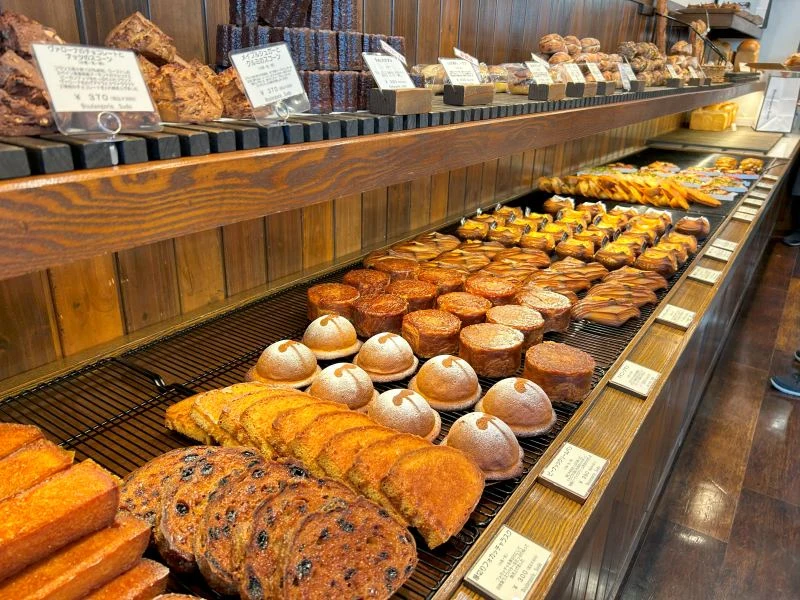
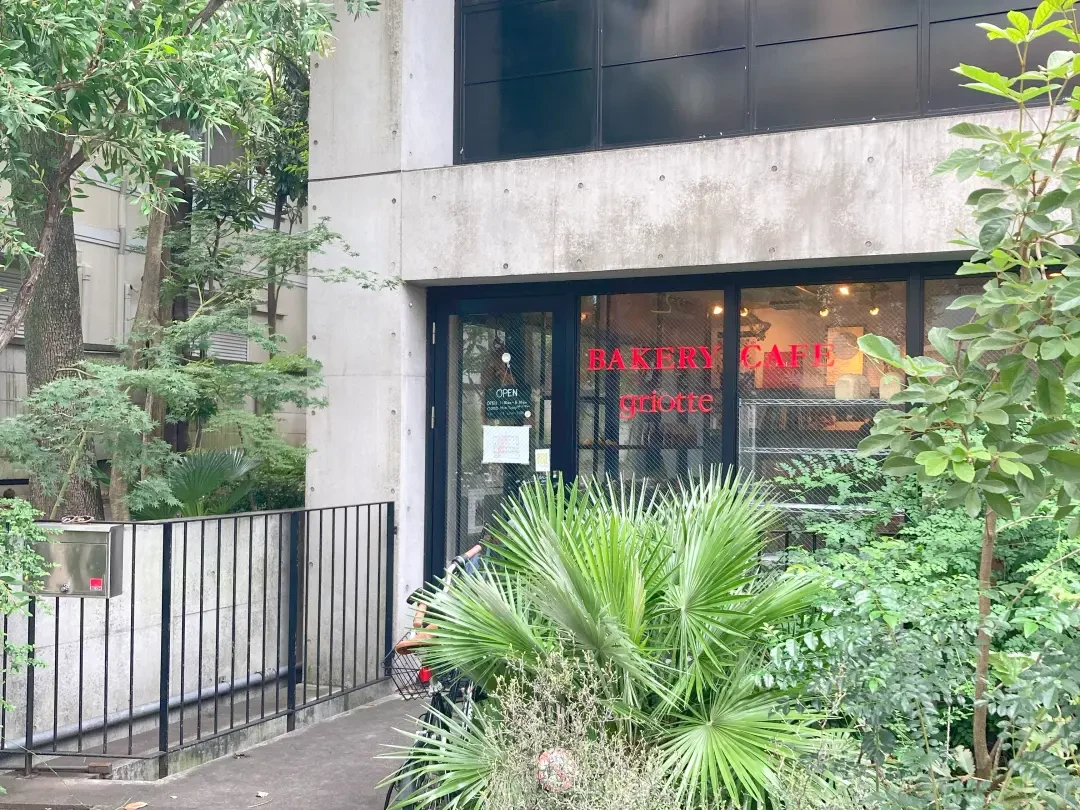
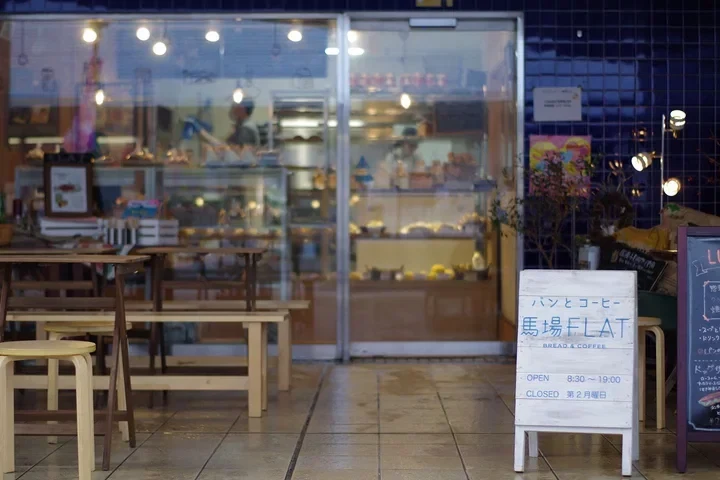
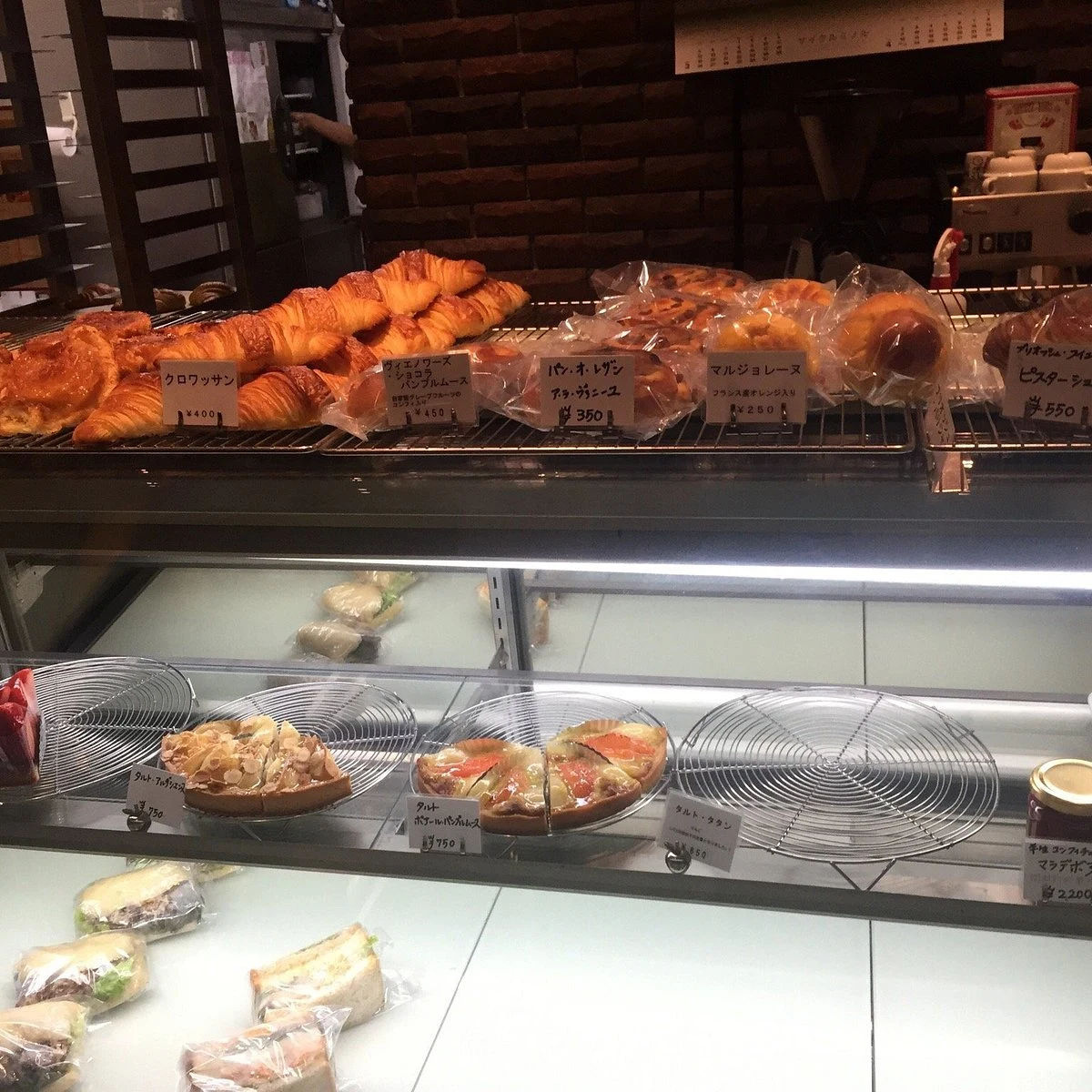
The physical experience should be understood through sight and pace rather than invented romance. A compact Setagaya storefront, a narrow operating rhythm, and a product category built for quick decisions create a scene where hesitation costs more than it would at an all-day café. Tokyo’s bread enthusiasts tend to read these signals fluently. Travellers should do the same: arrive with a flexible plan, treat the stop as a targeted food errand, and avoid building an entire evening around a single purchase.
The award history adds substance without turning the bakery into a trophy stop. Tabelog’s Bread 100 selections in 2017, 2018, 2019, 2020 and 2022 indicate sustained recognition across multiple years, which matters in a category where trends move quickly and social-media queues can distort reputation. A Tabelog score of 3.72 is also meaningful in Japan’s rating culture, where numbers above the mid-threes can reflect strong local confidence rather than casual enthusiasm.
How to place it in a Tokyo food itinerary
Smarter itinerary pairs this with Setagaya or Sangenjaya rather than forcing it between central fine-dining reservations. Kamiuma works well for travellers who already plan to spend time west of Shibuya, or for those comparing Tokyo’s everyday specialists with its formal restaurants. The contrast is instructive: a bread shop here can command attention through timing and repeat demand, while places such as 124. KAGURAZAKA (Yakitori) or 12/10 Shinjuku ten show how other Japanese formats build value through counter service and evening structure.
Tokyo’s strength is not only its high-price restaurants; it is the density of specialised formats at every spend level. A traveller can move from curry at 3 Chome no Curry Ya San to grilled fish or charcoal-led casual dining such as . 鮪と炭火焼き うお炭 秋葉原店, then understand why a bread counter in Setagaya belongs in the same editorial map. The common thread is format discipline. Tokyo rewards venues that do a narrow thing with conviction and let customers meet them on those terms.
Use Boulangerie Paris no Sora no Shita as a lens on that side of the city. It is not the address for lingering, luxury signalling or a broad menu survey. It is a compact lesson in how Tokyo turns everyday food into a serious category, and why neighbourhood specialists can be as revealing as the city’s formal dining rooms.
More Tokyo and Japan planning context
- Our full Tokyo restaurants guide
- Our full Tokyo hotels guide
- Our full Tokyo bars guide
- Our full Tokyo wineries guide
- Our full Tokyo experiences guide
- 2D Cafe
- -Grilled beef Sukiyaki- KAMAKURA TANUKIAN 鎌倉 たぬき庵 in Kamakura
- .cafe in Osaka
- .know in Kumamoto
- (Shoku) Vietnam in Kawasaki
- [Curry Senmon Ten] Maruyama Kyoju. in Sapporo
- [ki:] in Kyoto
- Jōdo Saké Bar in Los Angeles
- Onigiri Time in Pasadena