Setagaya

Boulangerie Sudo

Bakery4.2 on GoogleAbout $10 a head
Boulangerie Sudo

Why go

Approaching the Setagaya Line’s small-station rhythm, the appeal is not spectacle. Tokyo’s stronger bakeries often sit away from hotel lobbies and department-store food halls, folded into residential errands, school runs, and weekend routines. That setting matters. Bread in Tokyo is not only a French import story; it is a local habit shaped by precision, limited production, and customers who learn the timing of shelves rather than treating a bakery like a casual all-day pantry.

Boulangerie Sudo belongs to that category of neighborhood bakery with citywide credibility. Its Tabelog Bread Tokyo 100 selection in 2022, following Bread 100 selections in 2018, 2019, and 2020, gives it a stronger signal than social-media novelty. In a city where pastry counters can become visual theater, this address is better understood through repeat custom: people return because the format rewards familiarity, planning, and a clear idea of what the bakery does well.

Setagaya bread culture, read through regulars rather than restaurant theater

Tokyo’s bakery scene divides into several lanes. There are French-leaning boulangeries built around baguettes and viennoiserie, Japanese bakeries where soft shokupan and filled breads dominate the daily trade, and hybrid counters that blur cafe, sweets, and take-out. Boulangerie Sudo sits in the hybrid lane: bread, cafe, and sweets are all part of the category, but the operational feel is closer to a specialist take-out bakery than a sit-down dining room.

That distinction explains why loyal customers matter here. A restaurant can sell itself through a tasting menu; a bakery has to win repeat decisions in smaller increments. The regular’s calculation is practical and exacting: what travels well, what sells early, what is worth carrying across town, and what belongs to the day’s household rhythm. The venue’s family-friendly designation and children-welcome note place it inside ordinary Setagaya life, not just destination eating.

The comparison set makes the point sharper. In Tokyo, a meal at Shouin Tsurumizu operates in a high-spend bracket, while nearby formats such as Sumibi Yakisakana Bento Sumisawa or Seki Hanare answer different daily-use needs. Boulangerie Paris no Sora no Shita is the closer bakery comparison, with a higher listed spend band. Against that range, Boulangerie Sudo’s low listed budget keeps the proposition grounded: this is not luxury dining compressed into pastry form, but a disciplined bakery with enough recognition to pull attention beyond its immediate ward.

The unwritten menu is about timing, restraint, and what can be reserved

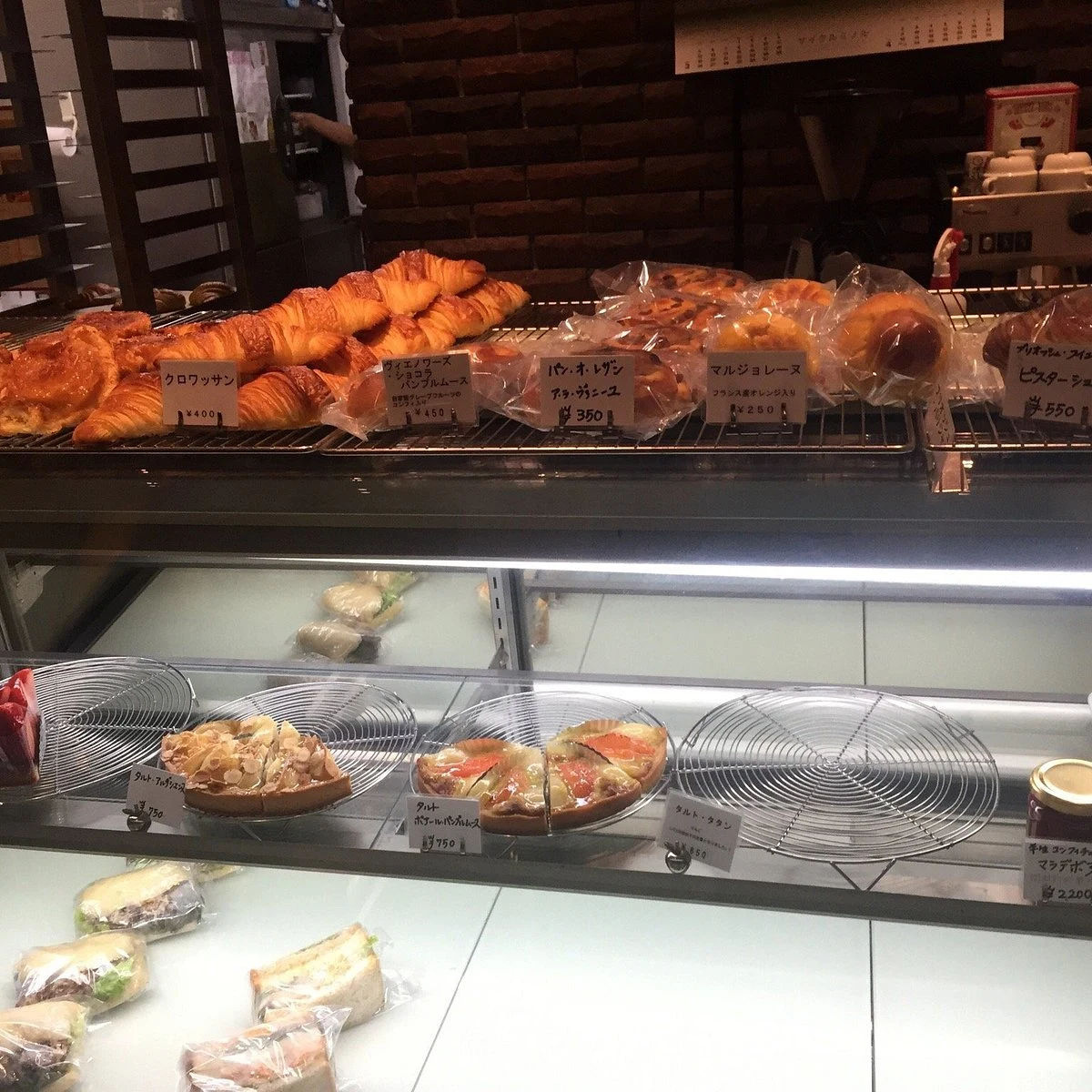
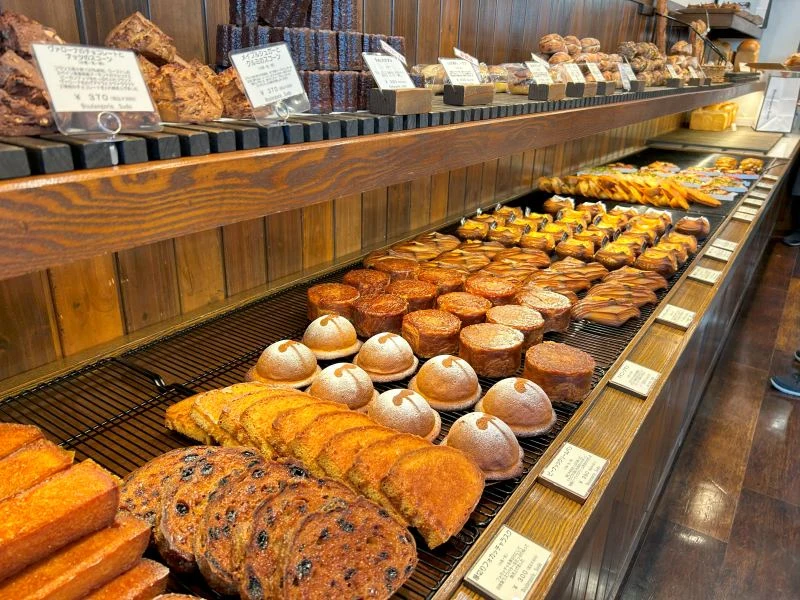
Tokyo regulars often read bakeries through logistics as much as flavor. At specialist counters, the unwritten menu is partly a matter of what can be secured in advance and what requires showing up with patience. Here, reservations are available for some baked goods such as baguettes, while other breads are not held back. That single detail says more than a long list of adjectives: the bakery has a practical hierarchy, and repeat customers learn it.

The take-out format also changes the critical lens. There is no dining-room choreography to soften delays or frame a purchase. The product has to carry the reputation out the door. That is why awards in bread categories can be more useful than generic popularity signals: Tabelog’s Bread Tokyo 100 identifies bakeries within a narrow, demanding field, where regularity and category focus matter. A score of 3.86 on Tabelog further places the shop in a serious local conversation, especially in a city where user ratings tend to be conservative.

Nothing about the setup suggests a venue built for a long, leisurely meal. The stronger play is to treat it as part of a Setagaya day: arrive with a plan, buy for later, and understand that the better bakery experience in Tokyo is often less about sitting down than about knowing what the counter can do at that hour. That regulars’ perspective is the useful one. It keeps expectations aligned with the format and avoids judging a bakery by restaurant standards.

How it fits into a Tokyo food itinerary

For visitors mapping Tokyo by meals, Boulangerie Sudo works differently from the city’s reservation-led counters. It is a daytime food stop with specialist credibility, useful for travelers who want to see how Tokyo’s residential neighborhoods eat beyond sushi, ramen, and hotel breakfast. Setagaya’s slower street scale gives the bakery a different frame from Ginza or Shinjuku; the decision is less about maximizing one grand meal and more about reading a local food habit with care.

That makes it a smart counterpoint to heavier restaurant planning. A Tokyo itinerary might pair bakery stops with casual curry, yakitori, or cafe formats rather than stacking only formal dinners. EP Club’s broader Tokyo coverage includes neighborhood and category contrasts, from 3 Chome no Curry Ya San and 124. KAGURAZAKA (Yakitori) to 12/10 Shinjuku ten, 2D Cafe, and . 鮪と炭火焼き うお炭 秋葉原店. For a wider read, use Our full Tokyo restaurants guide, with parallel city planning through Our full Tokyo hotels guide, Our full Tokyo bars guide, Our full Tokyo wineries guide, and Our full Tokyo experiences guide.

The broader Japan and overseas map helps separate bakery culture from restaurant hype. Compare the everyday specificity here with -Grilled beef Sukiyaki- KAMAKURA TANUKIAN 鎌倉 たぬき庵 in Kamakura,.cafe in Osaka,.know in Kumamoto, (Shoku) Vietnam in Kawasaki, [Curry Senmon Ten] Maruyama Kyoju. in Sapporo, and [ki:] in Kyoto. Across the Pacific, Jōdo Saké Bar in Los Angeles and Onigiri Time in Pasadena show how Japanese formats change when exported. Boulangerie Sudo’s value is more local: it explains how Tokyo turns bread into a precise neighborhood ritual.

Tags

Hidden GemCozyClassicSoloFamilyCasual HangoutAfter WorkStandalone