Why go
Iced coffee two ways, and whatever fruit is in
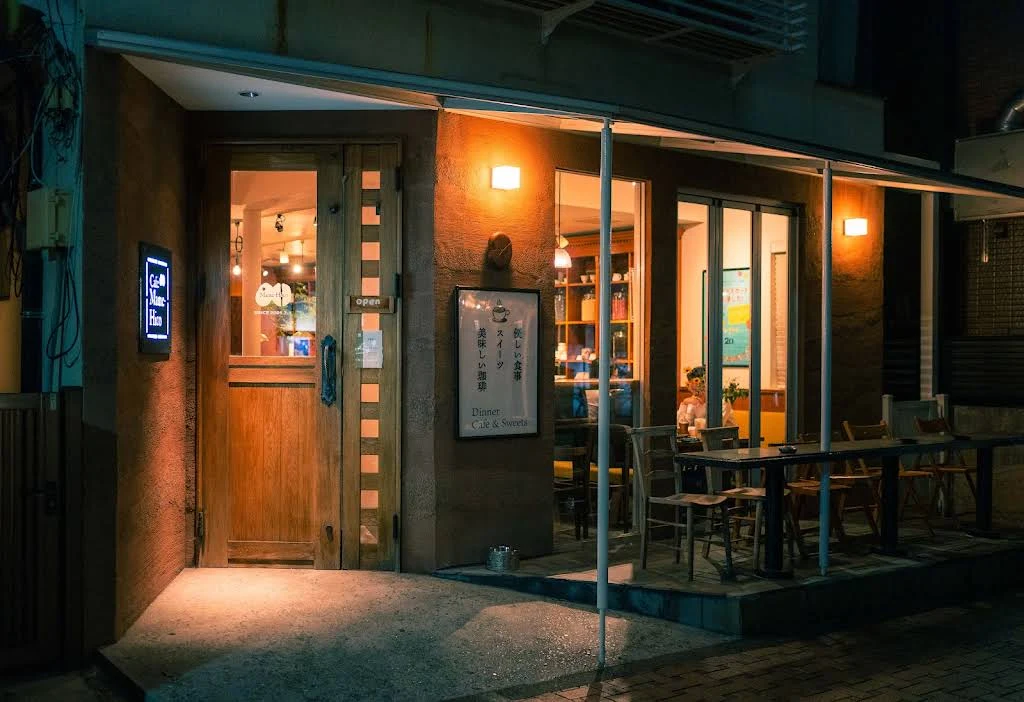
The house iced coffee comes in two versions and regulars vote between them: 微糖, lightly sweetened and nicknamed アイコ, and 無糖, unsweetened and nicknamed レイコ. That is a fair introduction to Mame-Hico, where an ordinary choice gets turned into a conversation. The Sangenjaya honten is the original of a small Tokyo café group built around coffee, food, events and talking face to face, with the people behind the counter deliberately visible rather than hidden behind a system. Members even work fields together, which is where some of the produce thinking comes from. The menu moves with the seasons, so what is worth ordering is whatever is current rather than one fixed signature plate.
Hand service instead of a fast counter
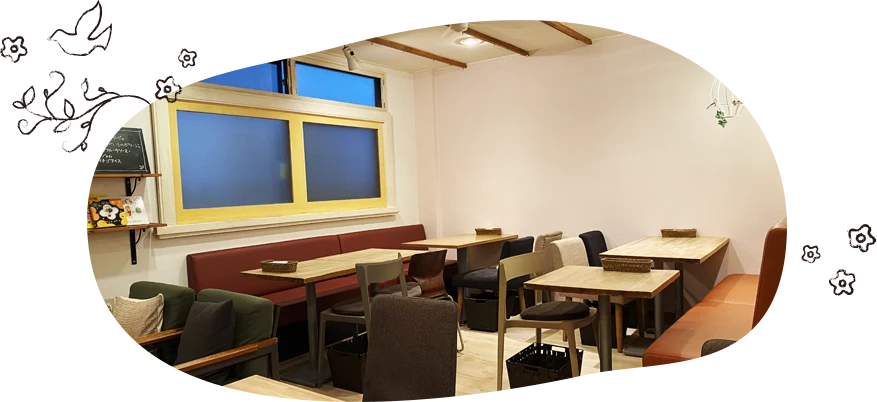
Pace is the point. This is a sit-down café rather than a quick stop, and the service is deliberately manual: cutlery set with care, water poured by hand, in open contrast to the automated systems spreading through Tokyo restaurants. The question the group keeps asking itself is what is ほんとに美味しい, truly delicious, and the answers show up as fresh vegetables, good bread, seasonal fish and produce at lunch, and sweets that turn over through the year. The room suits staying: a long conversation, a second coffee, a slow read. It rewards returning as the calendar changes rather than ticking off a single famous dish.
Order coffee, then follow the fruit
Take a coffee first, then let the season pick the dessert. The parfait board rotates through fruit as it arrives, いちごパフェ in strawberry season, then みかん, キウイ, ブルーベリー, 桃寒天, プラム, ぶどう and いちじく as the year turns. The cake side is steadier: 檸檬ケーキ, たぬきケーキ, いちごショートケーキ, キャロットケーキ, レアチーズケーキ and ガトーショコラ, plus アップルパイ and 焼きリンゴ when apples make sense. Japanese-style sweets sit alongside them, 赤城山あんみつ, クロカン and フルーツクリーム白玉クロカン among them, with カンボジアプリン for something plainer. The seasonal pieces can get playful: 紫陽花ケーキ is a butter-roll cake built to look like hydrangea, pink raspberry cream above shiso leaves. The rule is easy to follow. Coffee, then the fruit, cream, bean or cake that belongs to the moment.
Tags
Frequently asked questions
What should I order at CAFE Mame-Hico Sangenjaya honten?
Coffee first, then whatever the season has put on the dessert board. The house iced coffee comes lightly sweetened (微糖, アイコ) or unsweetened (無糖, レイコ). Parfaits follow the fruit through the year, from いちごパフェ to いちじくパフェ, and the cake list holds steadier with 檸檬ケーキ, たぬきケーキ and キャロットケーキ.
What is the service like at Mame-Hico?
Deliberately manual. Cutlery is set with care and water is poured by hand, set against the automated service spreading through Tokyo restaurants, and the people behind the café stay visible rather than hidden behind a system. It is a sit-down room built for conversation and a second coffee, not a fast counter.
Compare nearby places
| Venue | Type | Area |
|---|---|---|
| Pancake Mama Cafe VoiVoi | Café | Sangenjaya |
| Coffee Senmon Ten Sanjikken Ginza honten | Café | Ginza |
| Sumibi Yaki Coffee Kura | Café | Ikebukuro |
| Sumida Coffee | Café | Kinshicho |
| Café Trois Chambres | Café | Shimokitazawa |