Why go
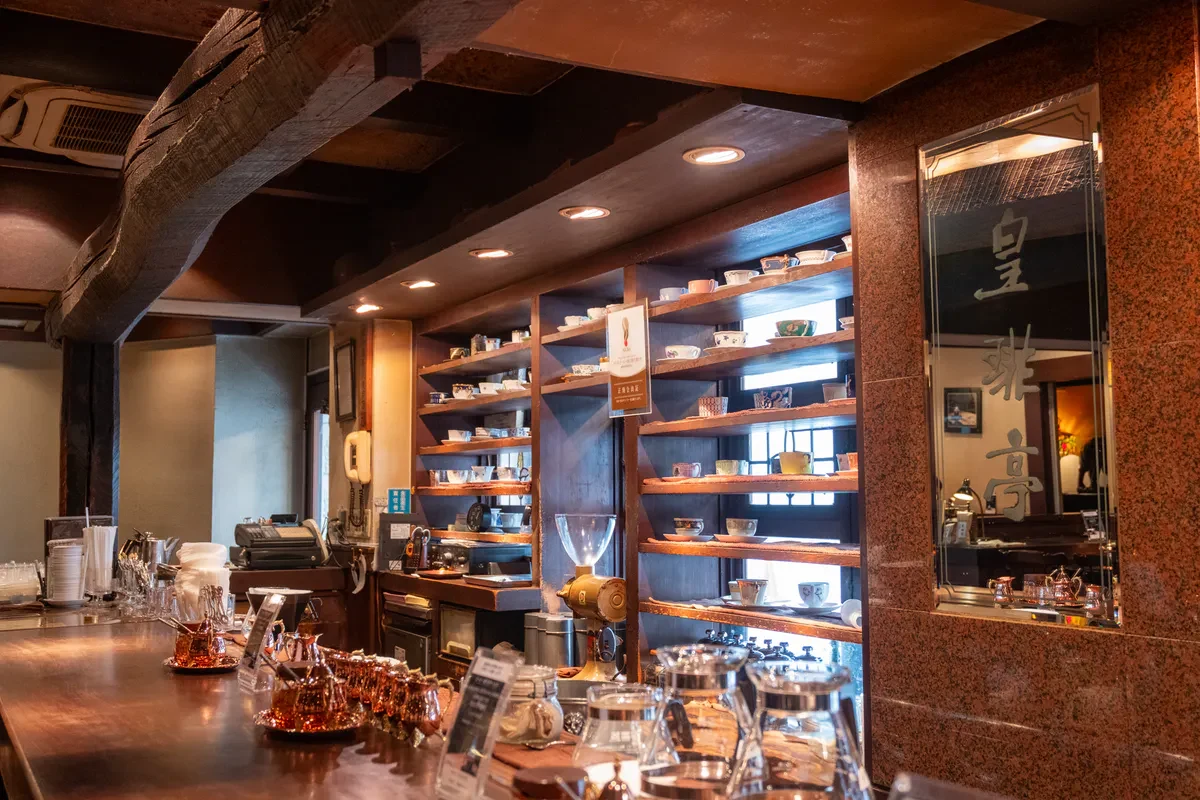
Ikebukuro’s north and west exits change tone quickly: department-store traffic, late trains, students, office workers, then the smaller rooms where Tokyo’s kissaten culture keeps its own tempo. Sumibi Yaki Coffee Kura fits that older rhythm. The point is not spectacle or a chef-led tasting format, but the discipline of a Japanese coffee shop where the room, the counter, and the cup carry more weight than a long menu description.
Tokyo cafe culture now splits into several camps. There are design-led dessert rooms, espresso bars built for takeaway, and the older kissaten tradition, where coffee, smoking rules, breakfast availability, and solo use patterns matter as much as food. Sumibi Yaki Coffee Kura sits in the last category: a kissa and cafe with counter seating, a compact 28-seat format, and recognition from Tabelog 100 Kissaten in both 2021 and 2022. That award signal matters because kissaten are often judged less by novelty than by repeatability, atmosphere, and how well they preserve a room’s pace.
Ikebukuro's coffee pause, not another station-area feed
Ikebukuro is not short on quick meals, but its dining map rewards clarity. Around the station, the choice often comes down to whether the day calls for a full sit-down meal, a specialist counter, or a coffee stop that can absorb a gap between appointments. Sumibi Yaki Coffee Kura belongs to the last category, and that is its editorial use: it gives the neighbourhood a slower register without asking the visitor to leave the station orbit.
The coffee focus is explicit. The listed format is kissa and cafe, with cold brew and house-roasted coffee forming the public-facing anchor. That places it closer to Tokyo’s traditional coffee-shop lineage than to dessert-driven cafes such as 2D Cafe, or meal-led addresses such as 3 Chome no Curry Ya San. For travellers using Ikebukuro as a transfer point, the distinction is useful: this is a coffee-room decision, not a substitute for a yakitori, curry, unagi, or burger plan.
That distinction also explains why the Tabelog 100 Kissaten recognition reads differently from a restaurant award. A kissaten selection is less about a single plated dish and more about consistency inside a narrow genre. In Tokyo, the coffee-shop canon values durability: a room that works for solo customers, a counter that gives structure to a short stop, and a service model that does not need theatrical explanation. Sumibi Yaki Coffee Kura’s place in that list puts it in a documented tier of coffee shops rather than the broader cafe mass.
The useful tension: classic kissaten manners in a transit-heavy district
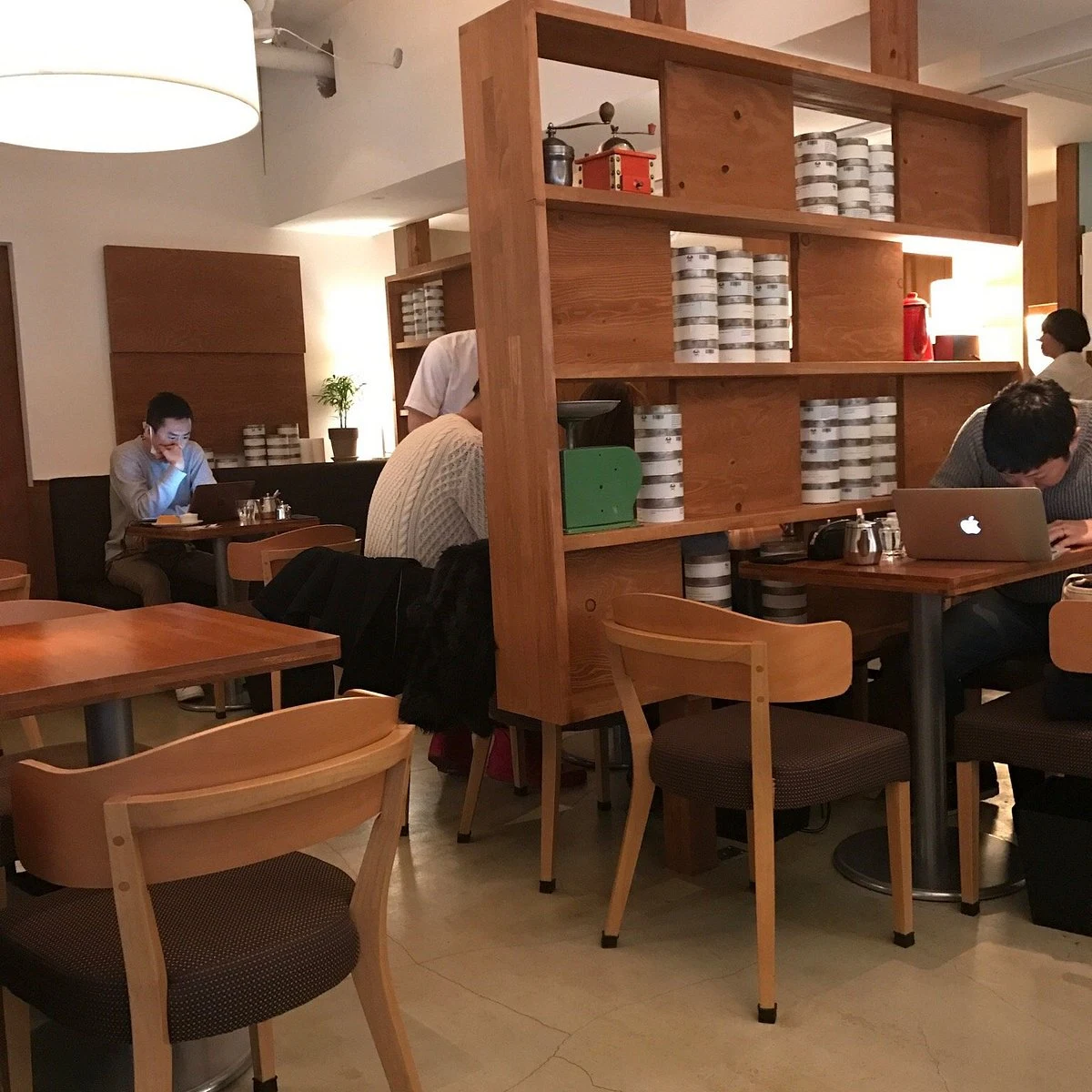
The address sits in Nishiikebukuro, a part of the city where eating and drinking decisions are often made under time pressure. That makes logistics part of the experience. Reservations are not the centre of the format; the more relevant question is how the room functions when used briefly, alone, or between larger plans. Counter seating helps, and the published note limiting computer use to counter seats, with a request not to occupy them for long periods, says a great deal about the intended rhythm. This is a coffee shop, not a co-working lounge.
Smoking is also part of the practical identity. In Tokyo, that immediately changes the audience. Some travellers seek out old kissaten partly because the rooms preserve pre-chain cafe habits; others will choose a non-smoking cafe instead. The useful reading is not moral but operational: the house rules shape the stay, and they separate this kind of kissa from newer international-style coffee bars.
Price positioning keeps the decision low-risk by Tokyo standards, especially compared with nearby full-meal options. In the surrounding restaurant field, Anpuku Ikebukuro ten and PIZZA BORSA sit in a higher casual-meal bracket, while Kasei Curry overlaps more closely on budget but answers a different need. Kabuto Unagi belongs to a specialist Japanese category altogether. Sumibi Yaki Coffee Kura is not competing with those formats on breadth; it competes on the value of a short, defined coffee stop in a district that can otherwise push visitors toward whatever is closest to the ticket gates.
How to place it in a Tokyo itinerary
The strongest use case is between larger meals, before a train, or as a morning-to-late-day pause when the plan needs coffee rather than another reservation. Breakfast availability broadens its utility, while take-out and delivery services indicate a format not limited to lingering in the room. Payment flexibility also helps international travellers, with major cards, transport IC, and QR payments listed.
For a fuller Tokyo food day, treat it as a hinge rather than the centrepiece. A coffee stop here can sit before a meat-focused evening at . 鮪と炭火焼き うお炭 秋葉原店, a Shinjuku plan around 12/10 Shinjuku ten, or a specialist poultry counter such as 124. KAGURAZAKA (Yakitori). Readers building a wider route can cross-check Our full Tokyo restaurants guide, then balance the trip with Our full Tokyo hotels guide, Our full Tokyo bars guide, Our full Tokyo wineries guide, and Our full Tokyo experiences guide.
Its value becomes clearer when placed against Japan’s broader casual-dining map. A Tokyo kissaten stop has little in common with -Grilled beef Sukiyaki- KAMAKURA TANUKIAN 鎌倉 たぬき庵 in Kamakura,.cafe in Osaka,.know in Kumamoto, (Shoku) Vietnam in Kawasaki, [Curry Senmon Ten] Maruyama Kyoju. in Sapporo, or [ki:] in Kyoto. Nor does it read like the Japanese-inflected dining culture found abroad at Jōdo Saké Bar in Los Angeles or Onigiri Time in Pasadena. Its lane is narrower: a recognized Tokyo kissa where planning means understanding the room’s etiquette, not chasing a chef’s menu.