Ginza

Coffee Senmon Ten Sanjikken Ginza honten

CafeSpecialty Coffee Shop4.3 on GoogleAbout $15 a head
Coffee Senmon Ten Sanjikken Ginza honten

Why go

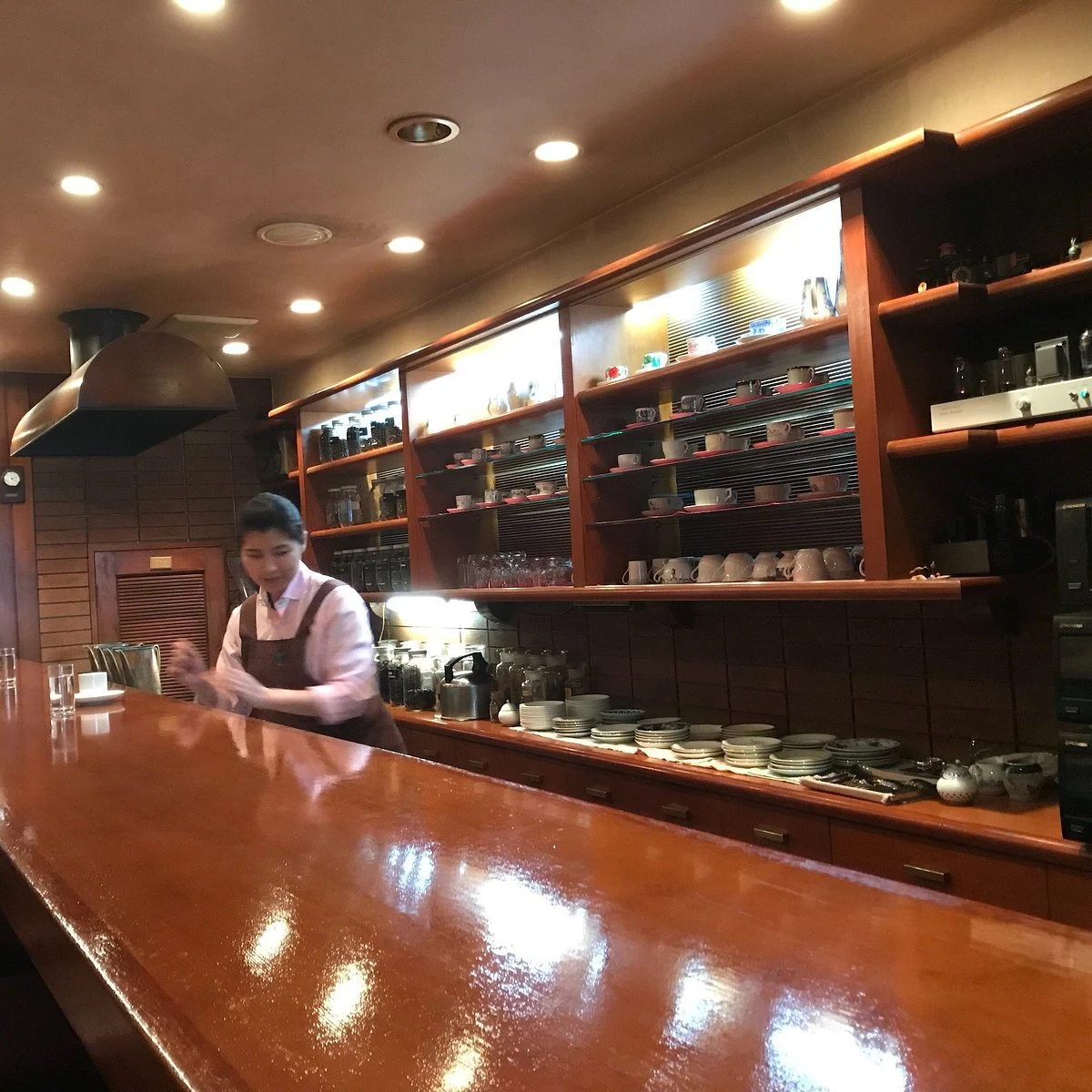
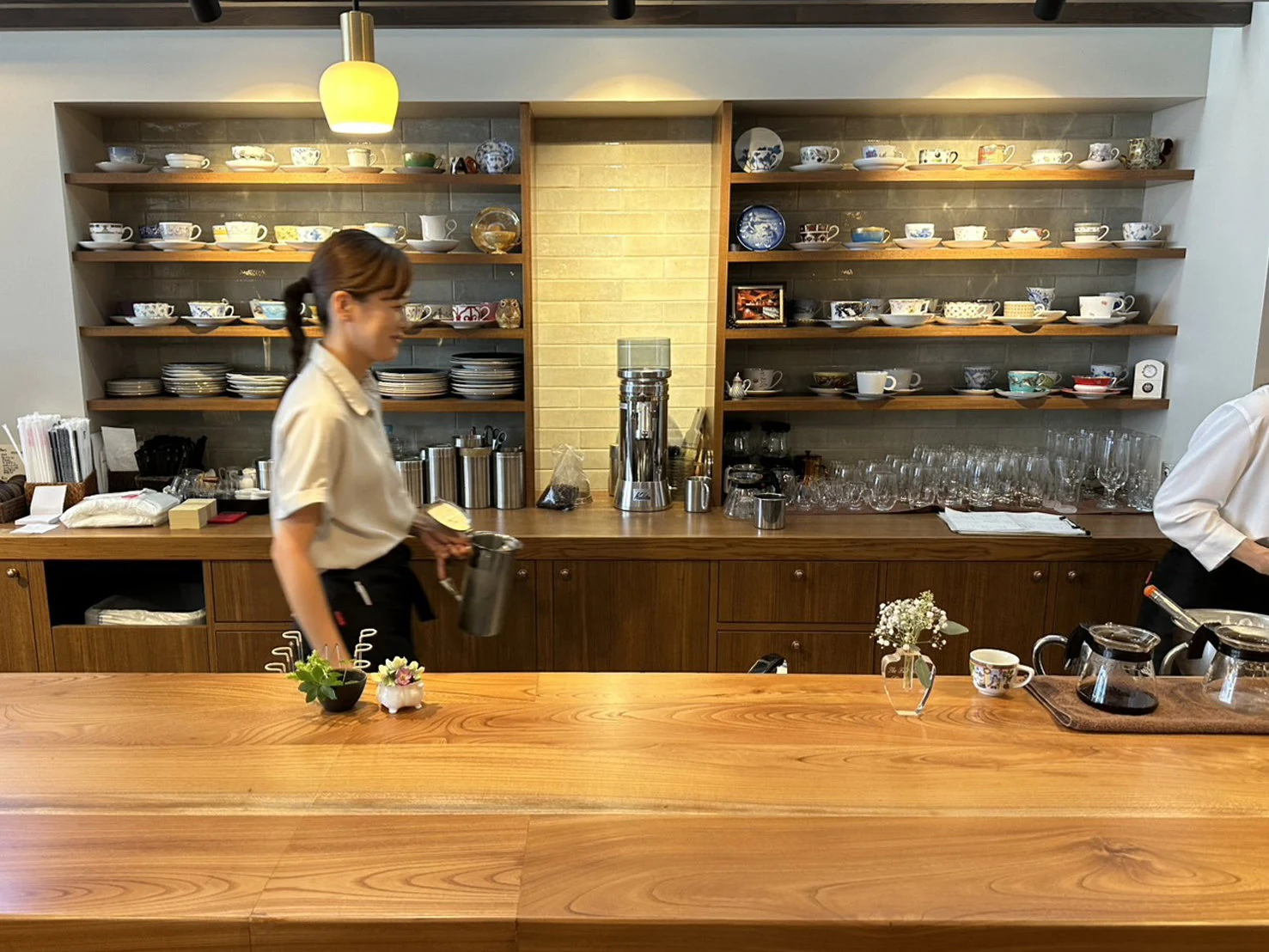
Ginza’s coffee culture often sits below street level, away from department-store gloss and station-exit espresso bars. Coffee Senmon Ten Sanjikken Ginza honten fits that Tokyo pattern: a basement address in a commercial building, a specialist cafe format, and a rhythm closer to older kissaten habits than laptop-cafe turnover. The point is not speed, but the ceremony of pausing in a district built to move money, shoppers, and reservations through tight blocks.

That ceremony matters because Ginza can make dining feel transactional. Within a short walk, the area moves from sushi counters and wagyu rooms to curry shops, bakeries, bars, and followed cafes. Nearby comparison helps: Koran sits in a far higher spend bracket, Kitsune An shares the JPY 1,000–1,999 range, and L’ibisco Ginza ten runs lower, under JPY 999. This cafe occupies the serious everyday tier: not a splurge room or convenience stop, but a place where coffee is the main event.

Ginza coffee as ritual, not refreshment

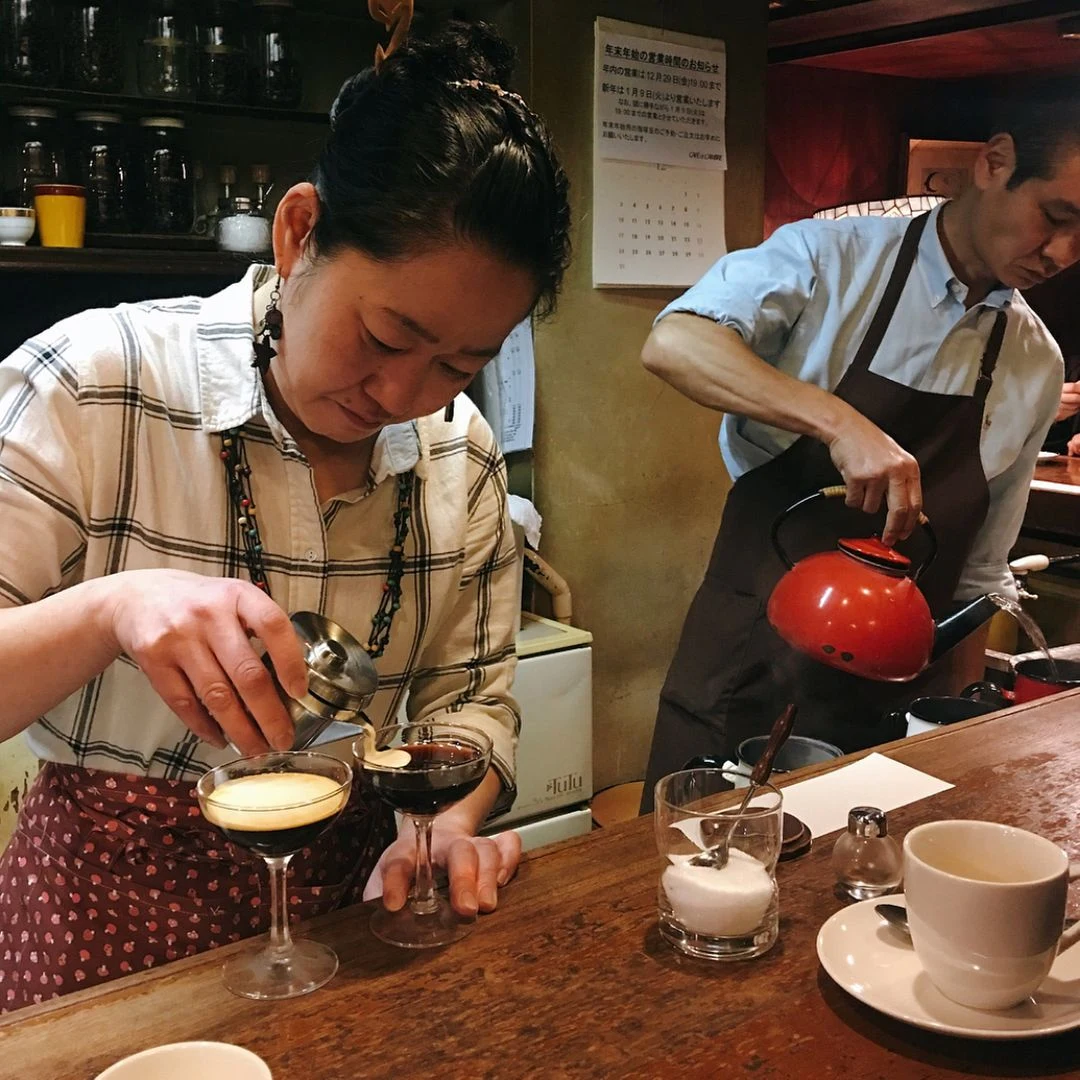
Tokyo has long split coffee into two cultures. One is functional, driven by stations, office towers, and chains. The other is slower and exacting, shaped by kissaten customs: seated service, quiet pacing, and a menu that assumes coffee can carry the visit. Coffee Senmon Ten Sanjikken Ginza honten belongs to the second camp. Its category is cafe, yet its 2025 selection for Tabelog Cafe EAST “Tabelog 100” places it among addresses where regulars and reviewers reward consistency, atmosphere, and coffee focus rather than novelty.

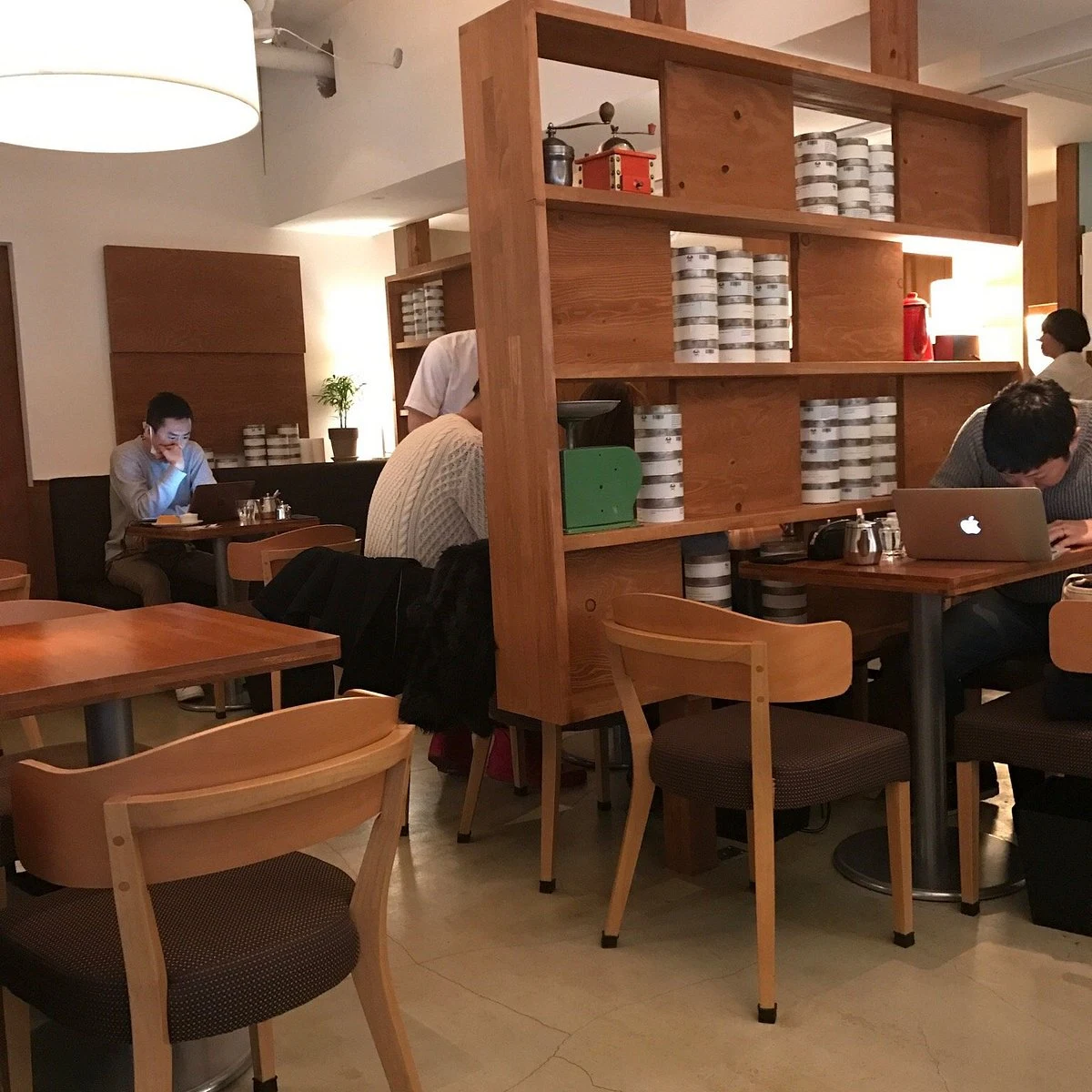
For travelers, the distinction matters. Tokyo’s formal dining reputation points visitors toward omakase counters, kappo rooms, and tasting menus, but its cafe culture can be just as disciplined. The ritual is quieter: arrive between shopping or gallery stops, order deliberately, follow the room’s tempo, and do not treat the table as rented office space. In Ginza, that restraint is part of the neighbourhood code. The cafe’s non-smoking status also separates it from old-school kissaten where smoke historically shaped the room as much as the brew.

The Tabelog score of 3.68 is useful. Cafe scores in Tokyo can be conservative because they draw regular local use rather than occasion-driven reviews. A score in this band, paired with a Hyakumeiten selection, suggests a cafe beyond neighbourhood convenience and into destination territory for people who track coffee seriously. It is not competing with Ginza’s luxury dining rooms, but with specialist coffee rooms, where repetition and pacing matter more than theatrical service.

A basement pause in a district built for expensive meals

The basement setting changes the pause. Above ground, Ginza is frontage: watch boutiques, cosmetic counters, restaurant signs, and the choreographed flow around Chuo-dori. Dropping below grade turns the experience inward, a familiar Tokyo move, especially in Chuo, where excellent food and drink often sit one staircase below the visible city. For visitors building a day around the area, the cafe works less as a destination meal than a controlled interval between higher-stakes bookings.

That interval has value because Ginza pricing can distort expectations. A traveller may dine at a counter where the bill climbs sharply, or compare old sushi rooms such as 二葉鮨 with higher-priced dining like Hiroyuki. A cafe in the JPY 1,000–1,999 bracket gives the day another register: affordable by Ginza standards, still anchored in selection and craft. The area’s range is part of its appeal. For broader Tokyo planning, Our full Tokyo restaurants guide maps that spread across categories, while Our full Tokyo bars guide is useful when coffee turns into an evening drinks route.

The surrounding city rewards cross-category thinking. A coffee stop here can sit before a yakitori evening at 124. KAGURAZAKA (Yakitori), a casual meal near Akihabara at . 鮪と炭火焼き うお炭 秋葉原店, or a Shinjuku plan around 12/10 Shinjuku ten. Tokyo is not a city where one meal defines the day. It is better read in sequences: coffee, department-store basement browsing, small lunch, train ride, counter dinner, then bar.

How to place it in a Tokyo itinerary

The practical case is compact. The cafe opens daily from late morning to evening, sits at a Ginza 3-chome basement address, and lists weekday reservations, with weekends and holidays handled differently. It accepts major credit cards, transport IC cards, and QR payments, easing visits for travelers avoiding small cash-only stops. There is no parking, normal for this part of Tokyo; approach by rail and on foot, with Higashi Ginza and Ginza both relevant.

Families get a clearer signal than at many Ginza counters. Children are welcomed, including babies, preschoolers, and school-age children, and strollers are accepted. That does not make the room a family restaurant; it means the format is more forgiving than high-end sushi or kaiseki. The price range helps too. In a city where premium dining can require heavy planning, a serious cafe for friends and families gives travelers flexibility without dropping editorial standards.

Readers comparing Tokyo cafe culture beyond Ginza can widen the frame through 2D Cafe or a different casual lane at 3 Chome no Curry Ya San. For wider Japan planning, the same low-to-mid spend category takes different forms at.cafe in Osaka,.know in Kumamoto, (Shoku) Vietnam in Kawasaki, [Curry Senmon Ten] Maruyama Kyoju. in Sapporo, and [ki:] in Kyoto. For travelers building a Tokyo stay around food rather than sightseeing alone, Our full Tokyo hotels guide, Our full Tokyo experiences guide, and Our full Tokyo wineries guide help connect slower stops with the city’s larger hospitality map.

The editorial read is simple: this is a coffee address for people who take Tokyo’s pauses seriously. It will not replace a formal Ginza dinner, and is not trying to. Its value is narrower and useful: a recognized specialist cafe, in the right district, at a manageable price, with ritual that fits between Tokyo’s louder meals. For broader Japanese dining context outside the city, compare the formality of -Grilled beef Sukiyaki- KAMAKURA TANUKIAN 鎌倉 たぬき庵 in Kamakura with overseas Japanese-adjacent formats such as Jōdo Saké Bar in Los Angeles and Onigiri Time in Pasadena. The comparison clarifies the appeal: in Ginza, restraint is not absence. It is the point.

Tags

QuietCozyClassicHidden GemSoloCasual HangoutAfter WorkDate NightStandaloneDesign Destination