Why go
Mori no Coffee sits at the centre
Mori no Coffee, written 森のコーヒー, is the name to start with, because it anchors the whole list rather than appearing as a one-off special. Cafe Paulista, also written カフェーパウリスタ, has been a Ginza coffee institution in Tokyo long enough to have built its own vocabulary of named blends: 森のアイスコーヒー, パウリスタオールド, パリ祭, パウリスタNo1, サファリ, ゲイシャブレンド, a 月変わりコーヒー that changes month to month, SMCコーヒー and a 100周年記念シリーズ marking the centenary. Brazil sits at the heart of the origin map, alongside Colombia, Costa Rica, Guatemala, Peru, Tanzania and Uganda. The result is not a single house roast with a few variations but a broad portfolio you can navigate by blend name, by country, by season or by how you want it brewed.
Two floors of old Ginza
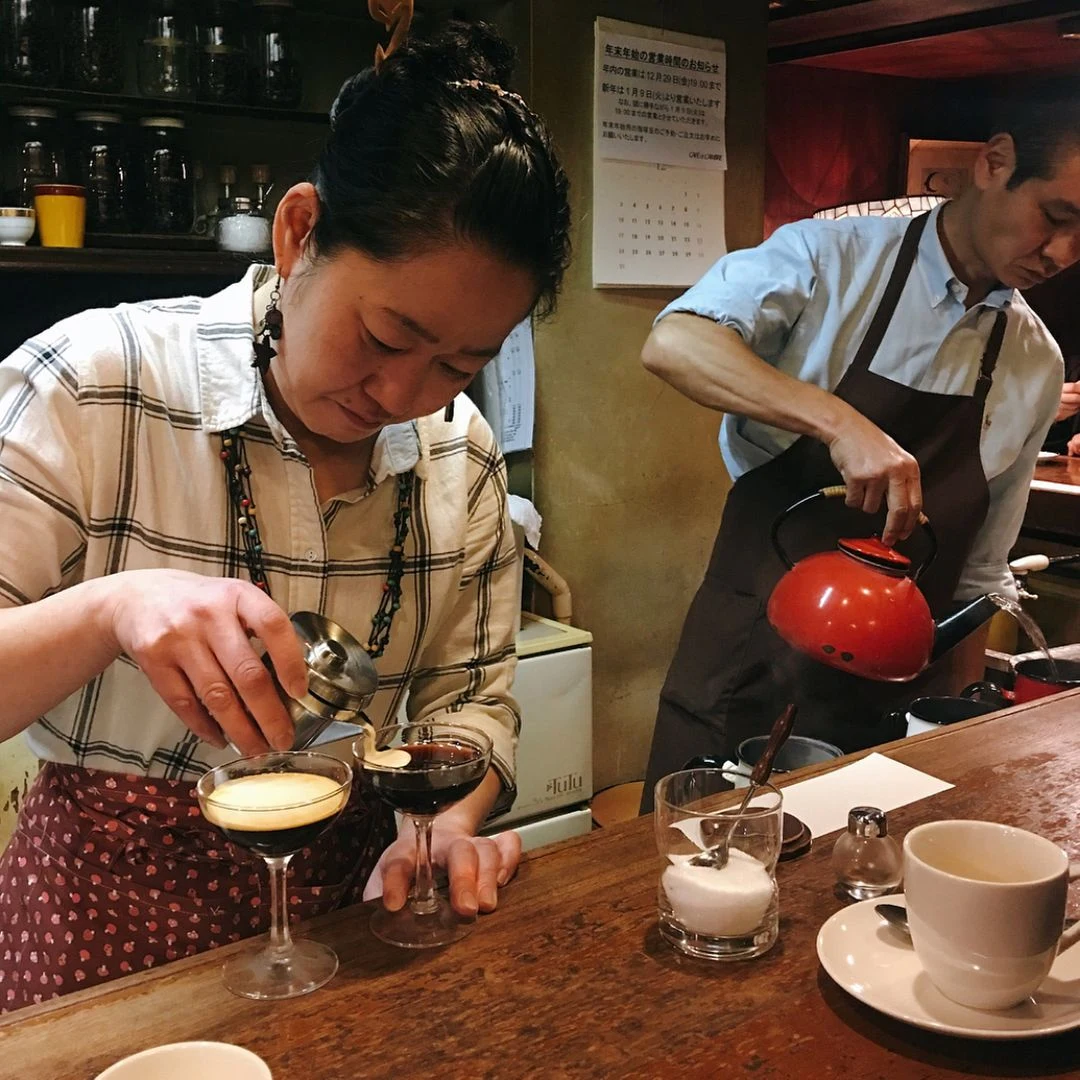
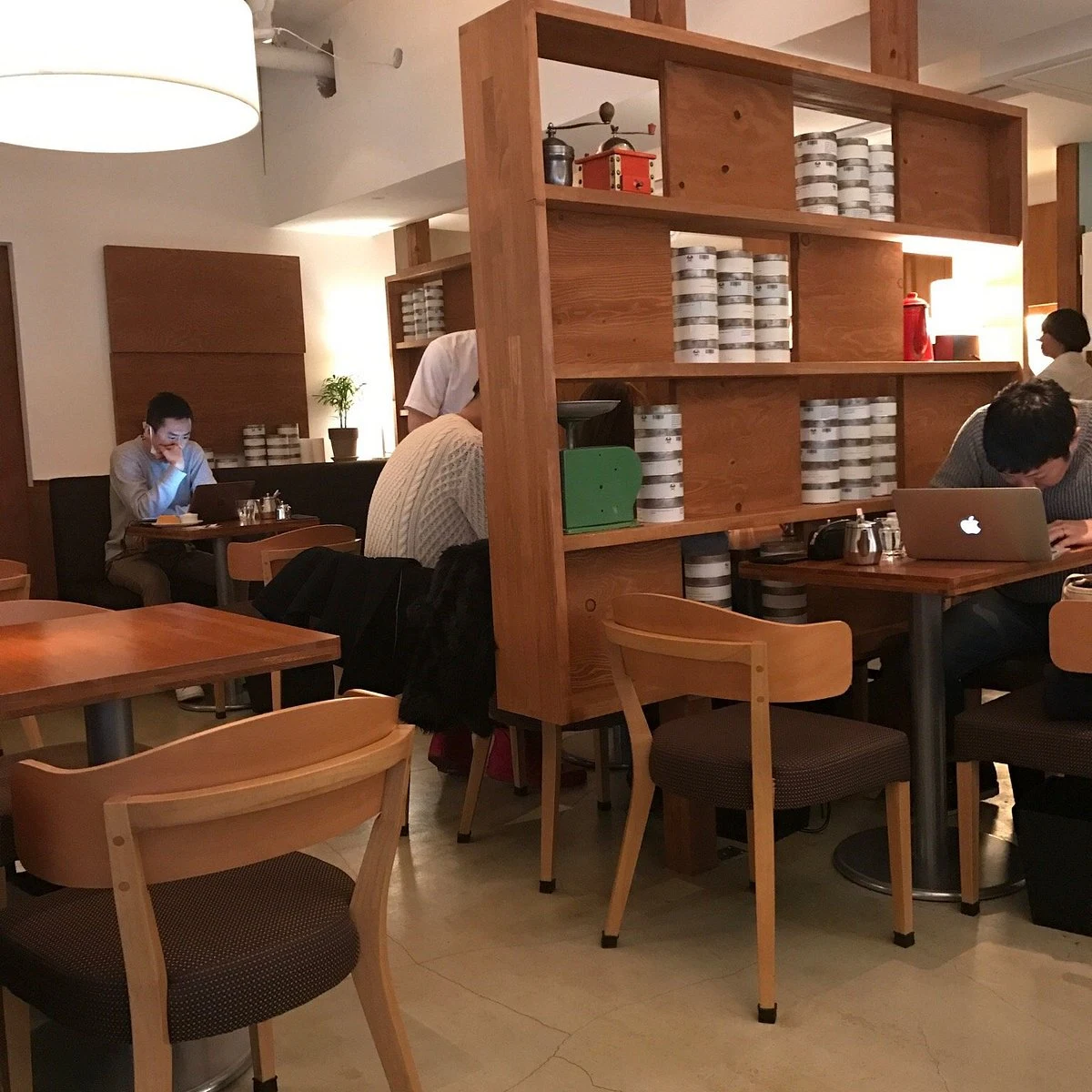
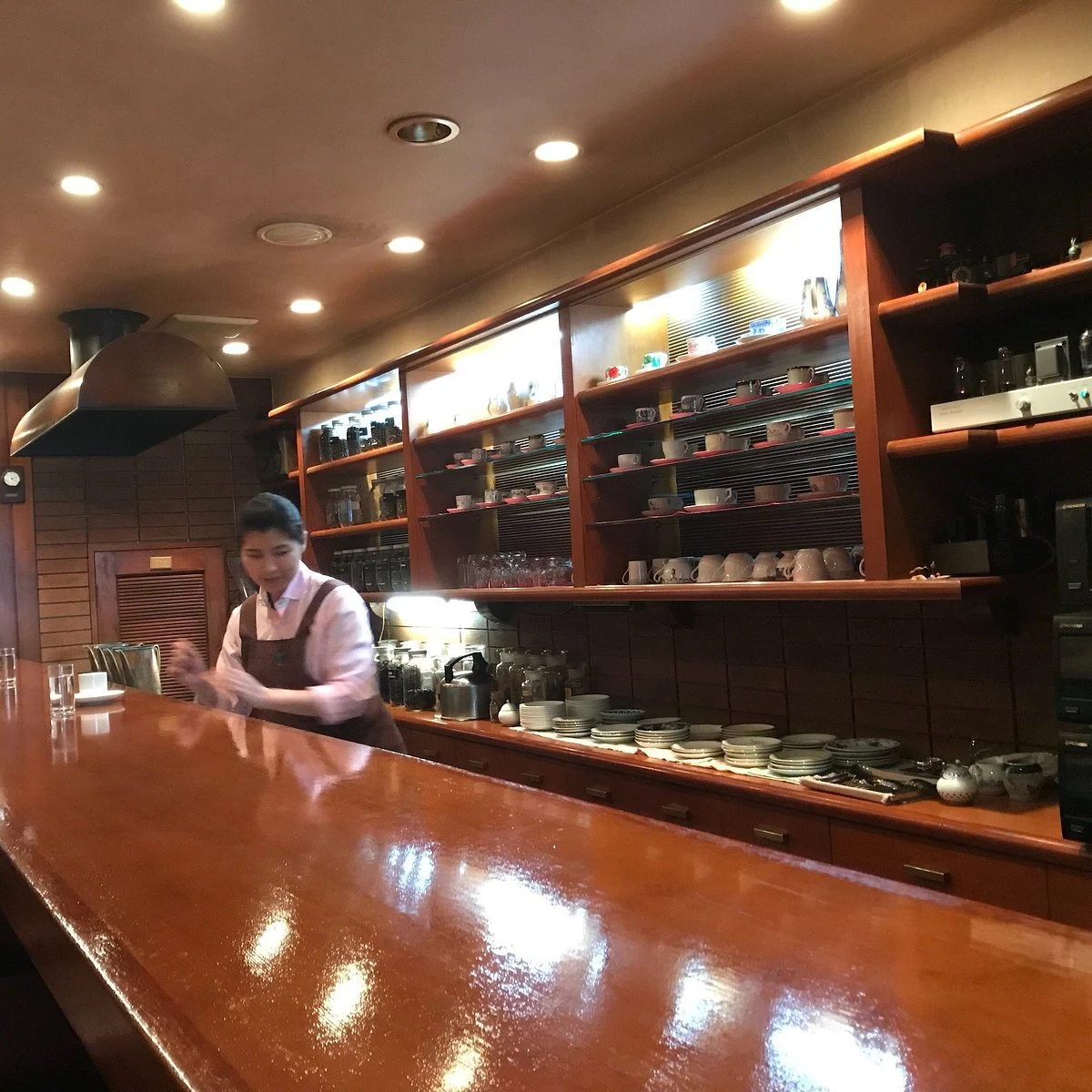
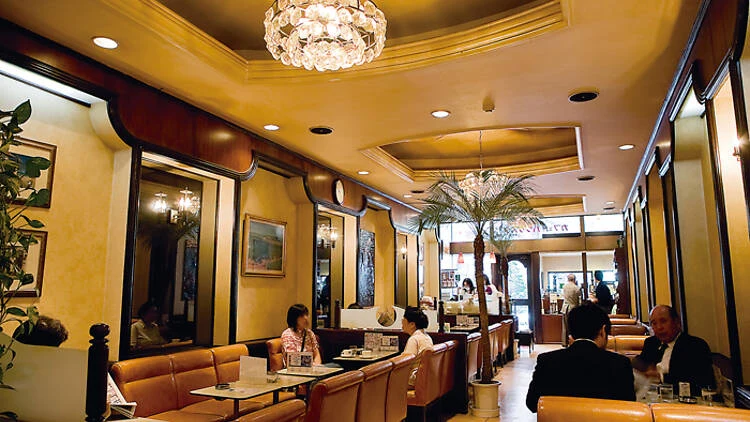
The room is a kissaten in the old sense: two floors, simple wood tables, warm but bright light and a nostalgic tone that feels classic rather than styled. It draws a steady mix of local regulars and visitors, and it is comfortable for a long sit with a cup, which is the point of the format. The retail side runs alongside the café rather than behind it. Bagged coffee, canned coffee, boxed sets, drip-filter packs and bottled iced coffee all sit under the same name, along with brewing gear: press and siphon equipment, iced-coffee tools, filters, pots, kettles, grinders and mugs. Tea, green tea, cocoa and juices are on the list too, but coffee organises everything. It took No. 23 on the Tabelog 100 in 2025.
Order Mori no Coffee, then choose the sweet
For a first order, Mori no Coffee keeps you at the centre of what the house does. From there the food is chosen to sit beside a cup rather than to make a meal: cakes, chocolate sweets, Japanese-Western sweets and coffee jelly. Seasonal pieces have included 濃厚マンゴーチーズタルト, 南国フルーツのケーキ, 宇治抹茶と和栗のロールケーキ and ゆず抹茶フィナンシェ. The set formats make the pairing logic obvious: a cake-and-coffee set is the standard way to order, and the coffee jelly is the other thing worth trying once the coffee itself is settled. If you want to understand Cafe Paulista quickly, do not look for a tasting menu. Look at how one named coffee runs from the cup in front of you to the drip-filter pack you carry home.
Tags
Frequently asked questions
What should you order at Cafe Paulista?
Mori no Coffee, the blend that anchors the list rather than sitting on it as a special. After that the food is chosen to sit beside a cup: cakes, Japanese-Western sweets and coffee jelly, usually taken as a cake-and-coffee set. Seasonal pieces rotate through, and there is a monthly blend for regulars.
What kind of coffeehouse is Cafe Paulista?
A two-floor Ginza kissaten with simple wood tables, warm light and a nostalgic tone, comfortable for a long sit rather than a quick cup. Coffee organises everything, from the named blends on the menu to the bagged and drip-filter coffee, siphons, grinders and kettles sold under the same name.
Compare nearby places
| Venue | Type | Area |
|---|---|---|
| CAFE DE L’AMBRE | Café | Ginza |
| Coffee Senmon Ten Sanjikken Ginza honten | Café | Ginza |
| Juichibo Coffee Ten | Café | Ginza |
| Rose Bakery Ginza | Café | Ginza |
| Sumibi Baisen Coffee Rin | Café | Ginza |