Ginza

Juichibo Coffee Ten

CafeCoffee Bar4.1 on GoogleAbout $15 a head
Juichibo Coffee Ten

Why go

Ginza’s side streets change tone quickly: glass-fronted retail gives way to smaller ground-floor rooms, signboards, and the older rhythm of coffee shops that predate Tokyo’s current specialty-café vocabulary. Juichibo Coffee Ten belongs to that kissaten lineage, the Japanese coffee-house tradition where the room, the counter, and the pause between errands matter as much as the cup. In a neighbourhood that often prices leisure as luxury, this format keeps a different promise: a measured stop, coffee and cake, and a setting scaled for conversation rather than spectacle.

The distinction matters in Tokyo because kissaten are not simply cafés with older furniture. The category grew around brewed coffee, smoking-era salon culture, newspapers, cakes, and solo customers treating the room as a temporary office or refuge. Contemporary specialty coffee tends to foreground origin, extraction, and speed; the kissaten model is slower and more social, even when the bill remains modest. In Ginza, that contrast is sharper. A district associated with polished sushi counters, department-store dining floors, and evening bars also preserves these smaller coffee rooms, which function as civic pause points between shopping, work, theatre, and train transfers.

Ginza's kissaten culture, measured against the city's polished dining tier

Tokyo’s dining hierarchy can be misleading if judged only by price. A low-cost kissaten with Tabelog 100 Kissaten selection in 2021 and 2022 occupies a different kind of credibility from a high-spend tasting-menu room. The award signals that the shop is being assessed inside a specialist category, not against sushi, kaiseki, French, or cocktail bars. That is the correct lens for Juichibo Coffee Ten: it sits in the coffee-shop-and-cake lane, with recognition attached to the kissaten form rather than to chef-driven cuisine.

That specialist context also explains why Ginza comparisons should be careful. Nearby high-end dining rooms such as Argento, 銀座ふじやま, ETHICA, and Kurodino operate in restaurant categories where menu structure, service choreography, and wine programs carry the judgment. BAR Opa Ginza belongs to Ginza’s drinking culture, where the spend and evening cadence differ again. A kissaten asks for another reading: how the room supports lingering, how coffee and cake fit into the day, and how convincingly the shop preserves an older Tokyo hospitality pattern without becoming a museum piece.

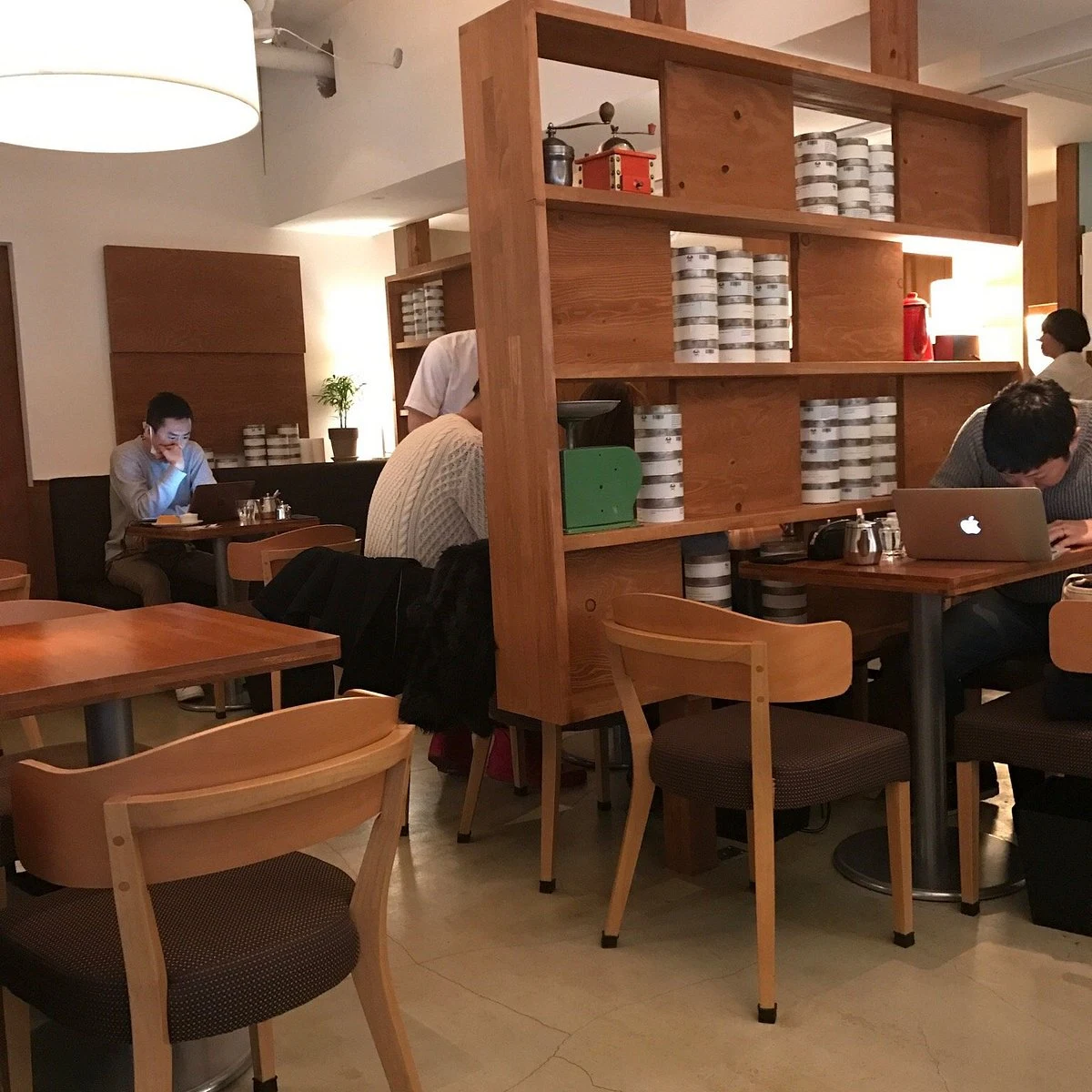
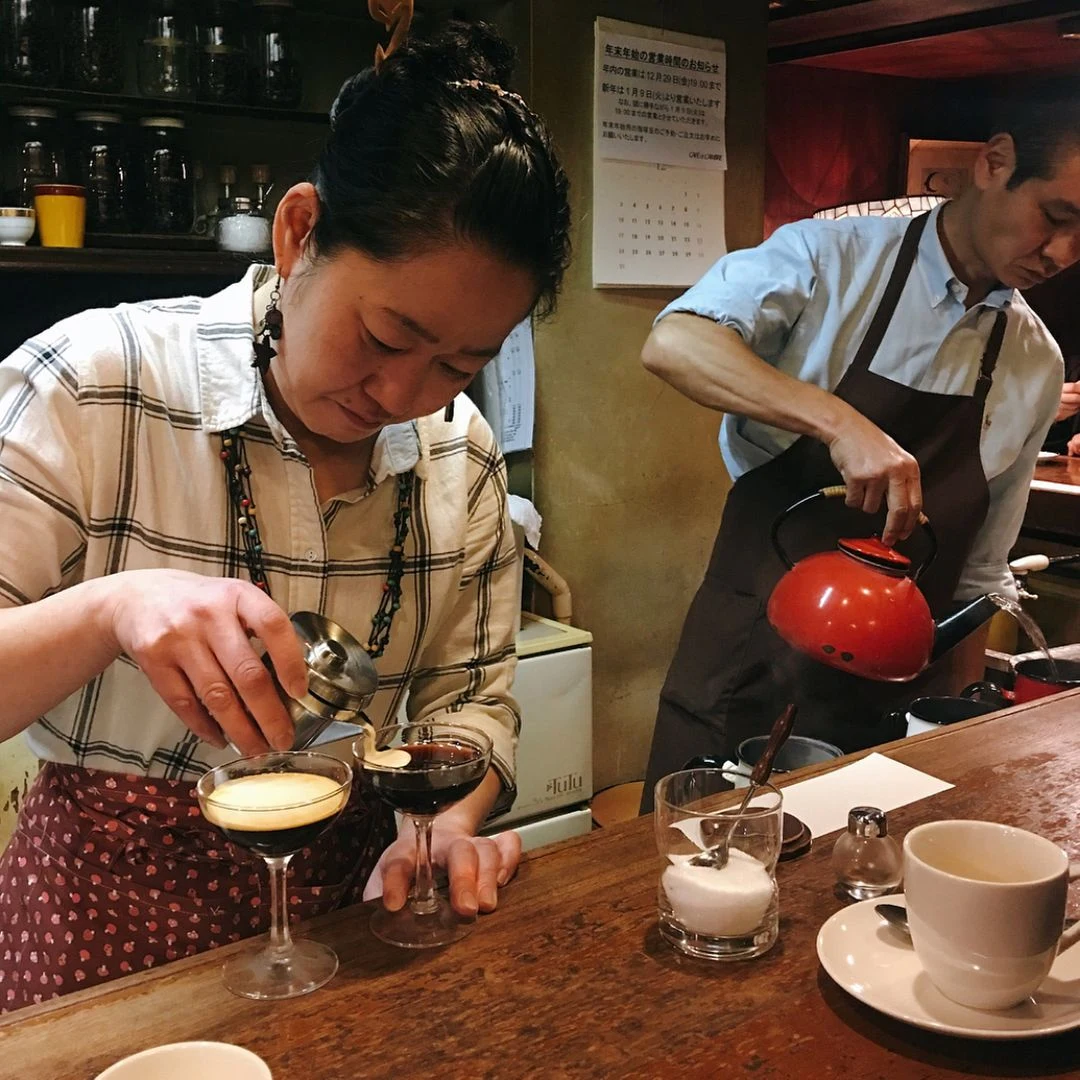
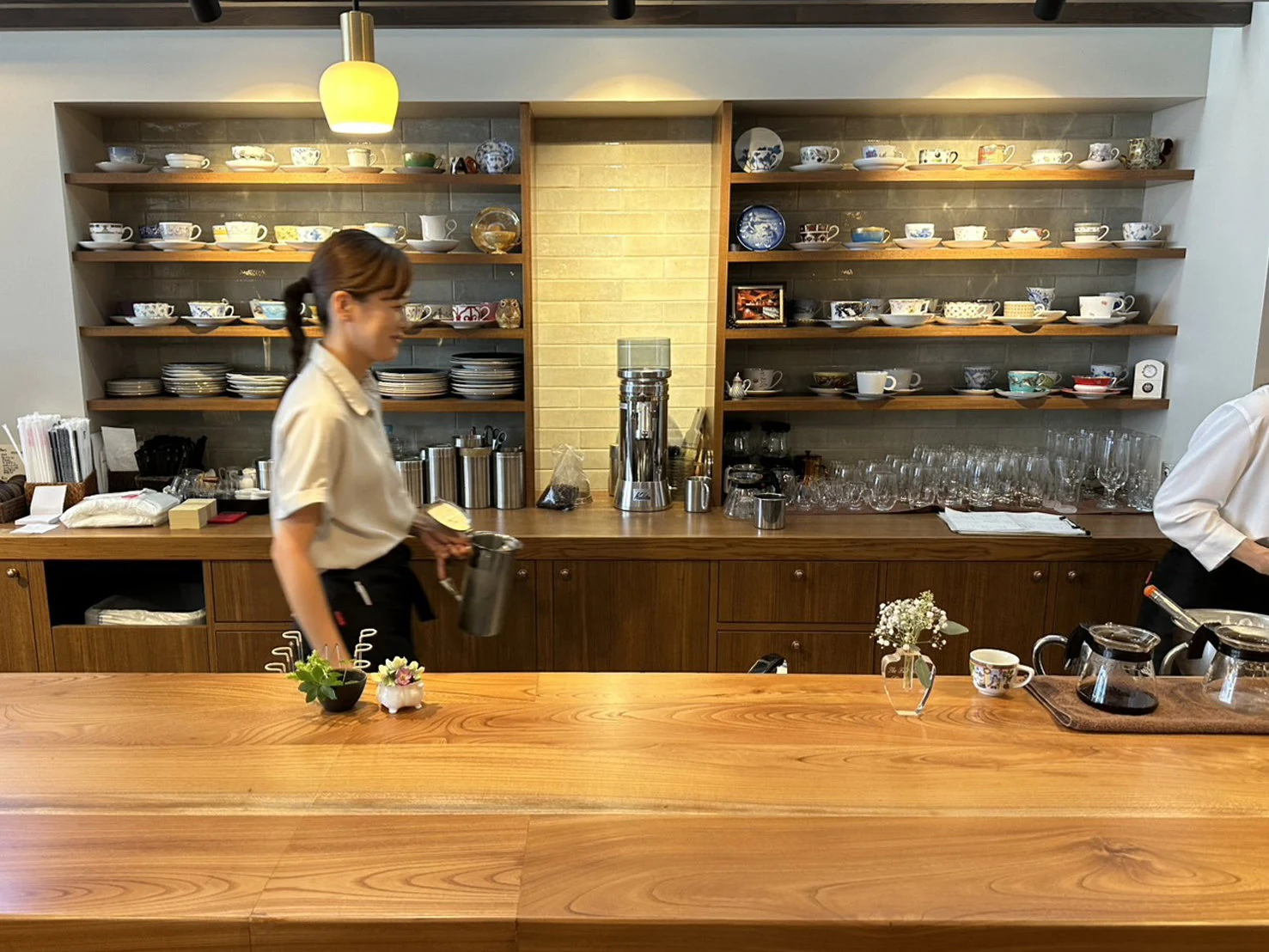
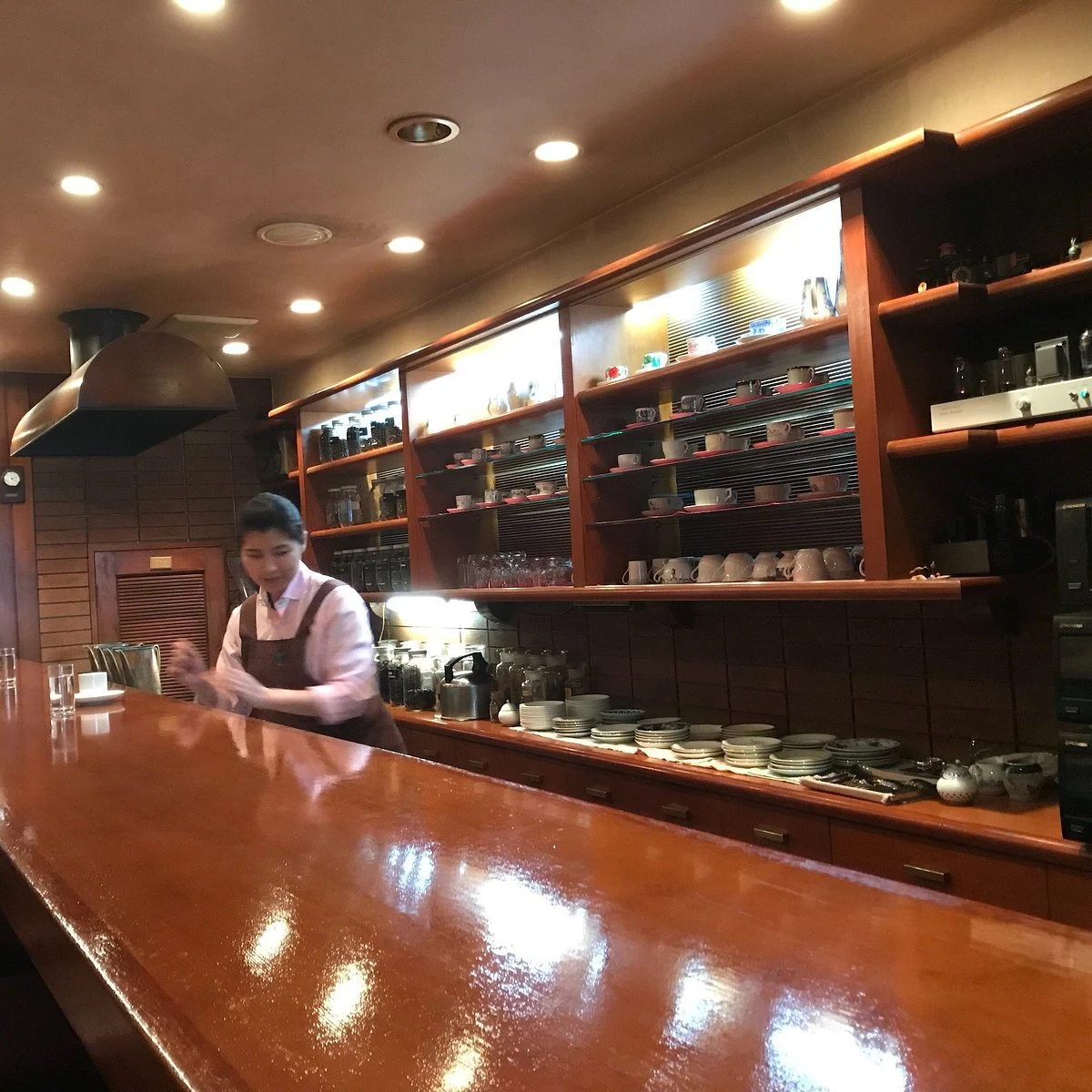
The venue’s Tabelog score of 3.77 reinforces that category position. In Japan, Tabelog scores tend to cluster tightly, and a score in this range for a kissaten indicates meaningful local approval rather than inflated tourist heat. The 31-seat layout, divided between 10 counter seats and 21 table seats, is also telling. Counter seating keeps the format close to Tokyo’s craft-service culture, while tables preserve the everyday café function: friends meeting, shoppers stopping, office workers taking a late break.

Coffee, cake, and the discipline of the small room

The listed categories are kissa, meaning Japanese coffee shop, and cake. That combination is culturally precise. Kissaten food is often modest by design: sweets, toast, sandwiches, or light plates supporting coffee rather than competing with it. Juichibo Coffee Ten’s public category language points to that older balance. The editorial value is not a long menu or a chef narrative, but the way the format resists Tokyo’s constant pressure toward novelty.

For travellers, that restraint can be useful. Ginza rewards planning, but not every worthwhile stop needs to be a reservation-led meal. A coffee shop in this category works between larger commitments: before a bar in Ginza, after a department-store visit, or as a low-friction pause before crossing toward Yurakucho. The shop is listed as non-smoking, which changes the kissaten equation for many visitors; the genre historically carried a smoky association, but non-smoking rooms make the older format easier to fold into a contemporary Tokyo day.

There is a practical trade-off. Reservations are unavailable, and the room is small enough that timing matters. The public notes advise allowing extra time when it is busy, which is sound for Ginza generally: weekends, post-lunch lulls, and early evening shopping hours can compress small rooms fast. Payment is another old-school signal. Credit cards, electronic money, and QR code payments are not accepted, so cash is the safe assumption. That detail is not incidental; it places the shop closer to Tokyo’s older independent coffee culture than to the frictionless, design-led café openings that dominate social feeds.

How to place it within a Tokyo itinerary

The address is in Ginza 2-chome, with Ginza-itchome Station the nearest station and Yurakucho also close enough for a simple rail-linked stop. That location makes the shop more useful than its modest format might suggest. It can anchor a Ginza afternoon without requiring the commitment of a full meal, and it suits travellers who want to understand Tokyo through everyday rituals rather than only through counters with omakase pricing or dining rooms with formal service arcs.

Tokyo’s broader food scene is better read as a set of tightly defined formats than as a single restaurant culture. A yakitori room such as 124. KAGURAZAKA (Yakitori), a curry specialist such as 3 Chome no Curry Ya San, and a stylised café such as 2D Cafe each show how narrow categories can carry strong identities. Juichibo Coffee Ten belongs to that same Tokyo logic: not broad appeal through variety, but confidence inside a compact form.

Use it as a daytime or early-evening Ginza pause rather than a destination meal. The value lies in the kissaten ritual, the recognised category standing, and the chance to see how a traditional coffee-shop format survives in one of Tokyo’s most commercially polished districts. For a wider city plan, pair it with our full Tokyo restaurants guide, then build around our full Tokyo bars guide or our full Tokyo hotels guide depending on the hour.

Related Tokyo and Japan references:. 鮪と炭火焼き うお炭 秋葉原店, 12/10 Shinjuku ten, our full Tokyo experiences guide, our full Tokyo wineries guide, -Grilled beef Sukiyaki- KAMAKURA TANUKIAN 鎌倉 たぬき庵 in Kamakura,.cafe in Osaka,.know in Kumamoto, (Shoku) Vietnam in Kawasaki, [Curry Senmon Ten] Maruyama Kyoju. in Sapporo, [ki:] in Kyoto, Jōdo Saké Bar in Los Angeles, and Onigiri Time in Pasadena.

Tags

QuietCozyClassicHidden GemSoloCasual HangoutAfter WorkBrunchStandaloneDesign Destination