Why go
Charcoal does the roasting here, and everything else follows from it. Sumibi Baisen Coffee Rin roasts its own beans over charcoal, serves them in a kissaten room in Ginza, in central Tokyo, and puts handmade sweets on the same short menu.
Charcoal roasting, poured plain
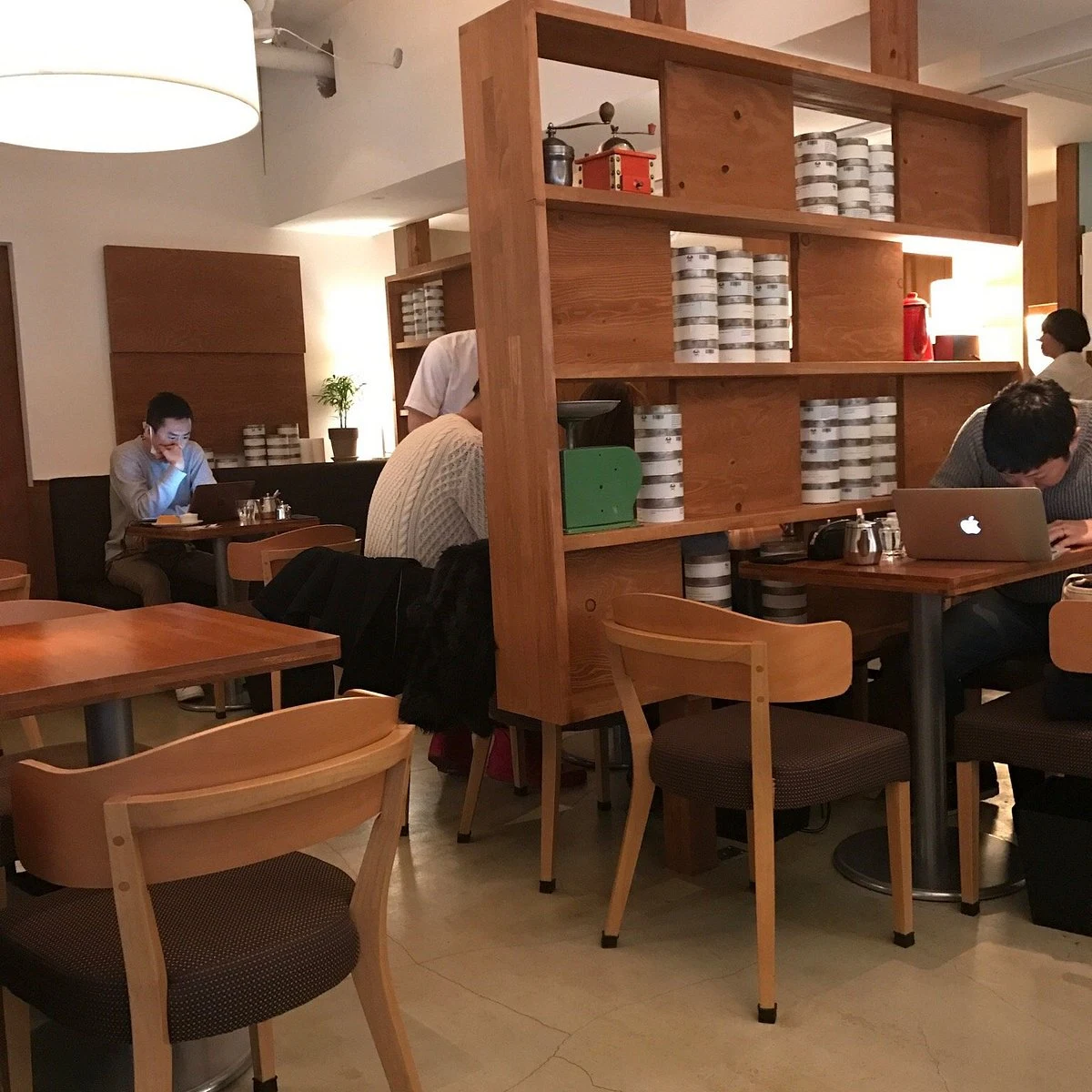
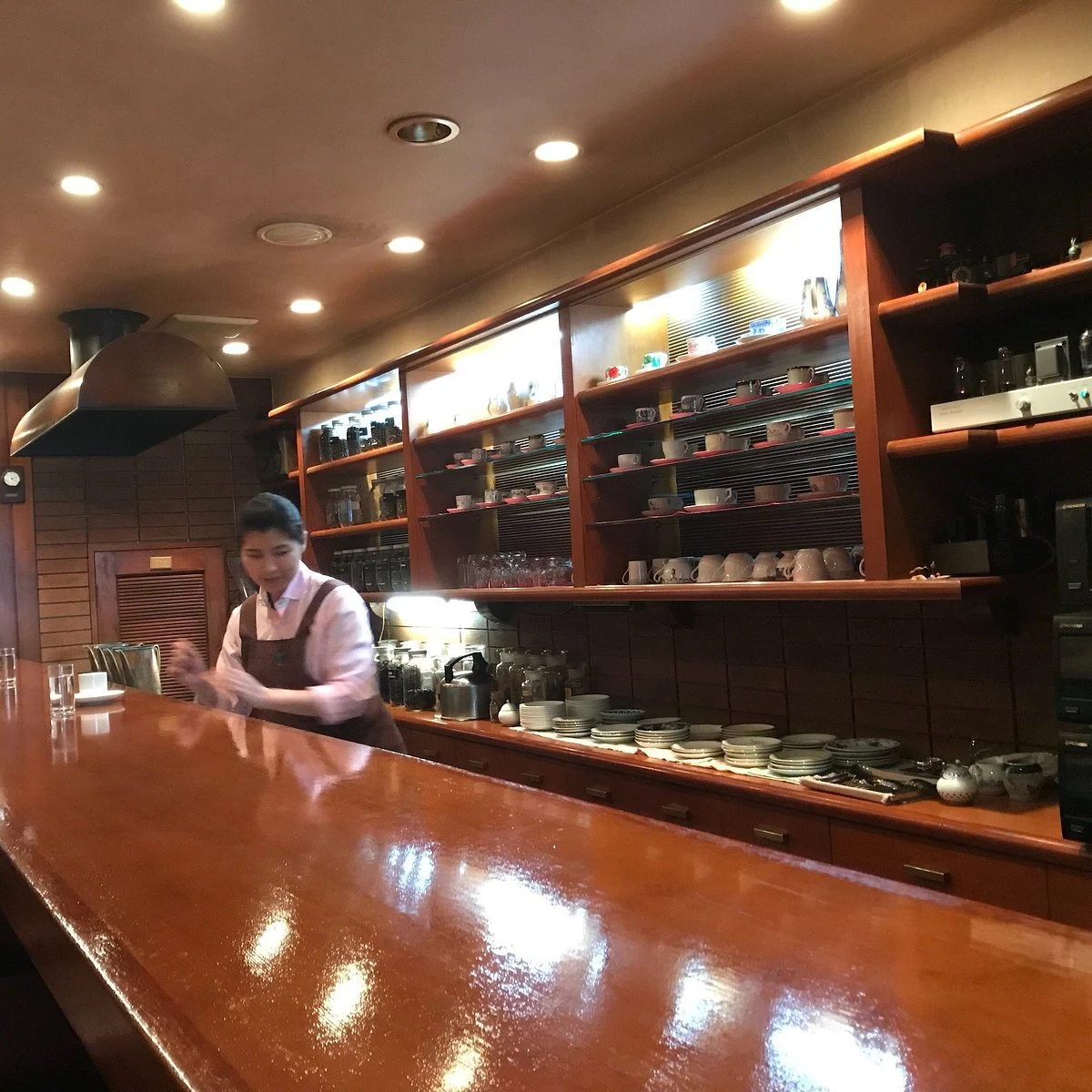
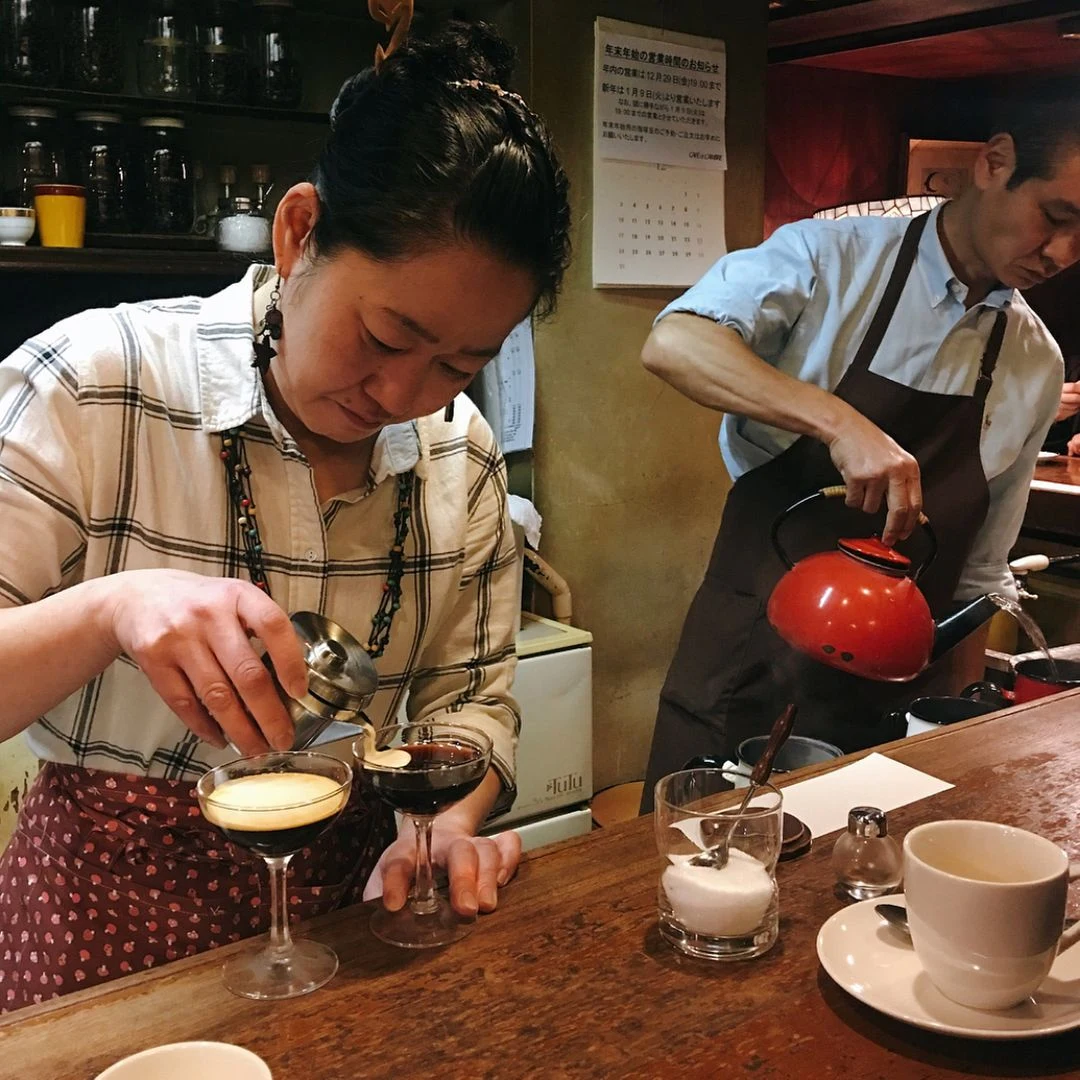
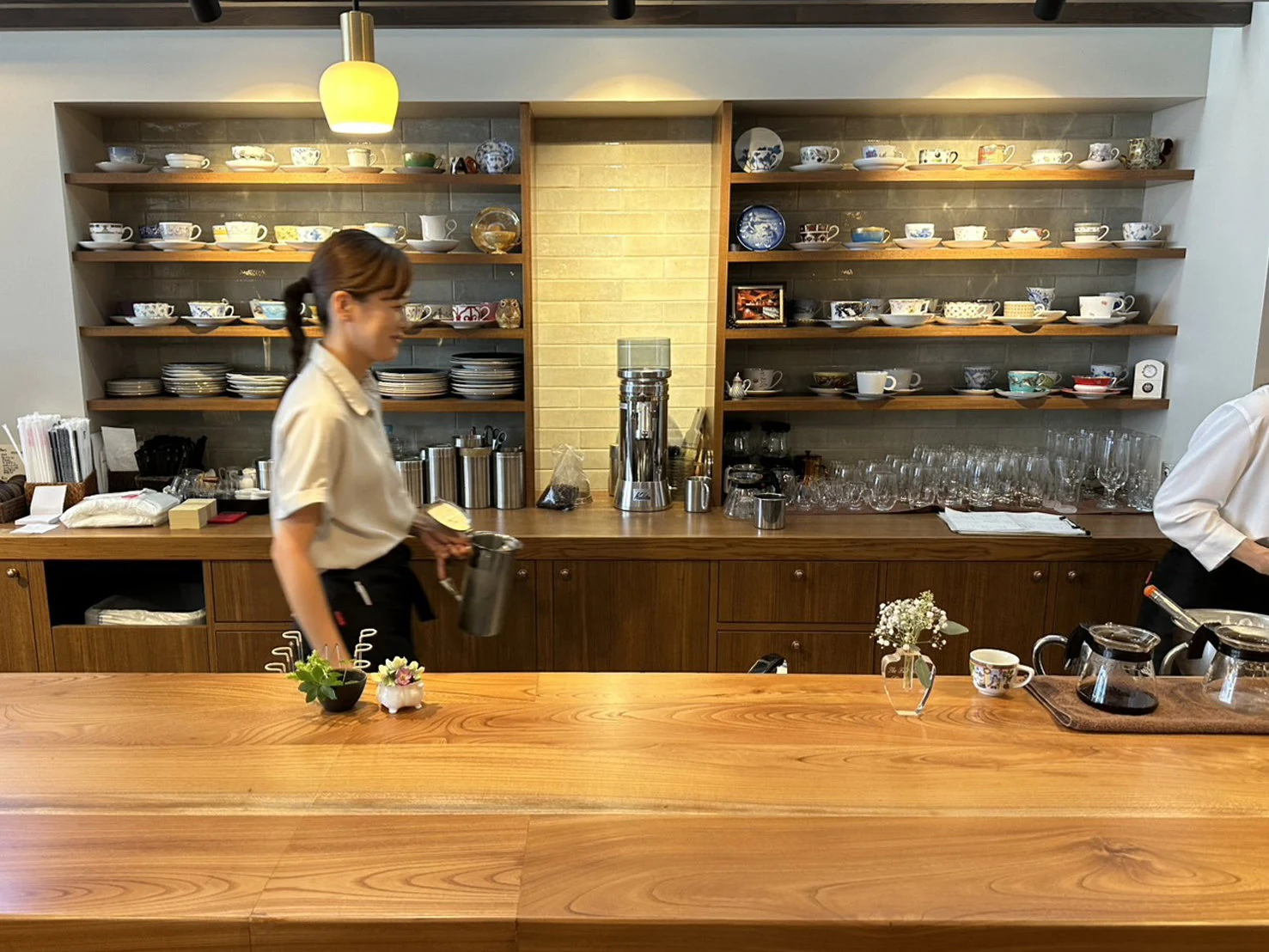
炭火自家焙煎, charcoal house-roasting, is the phrase the shop leads with, and it is not a technical flourish. Charcoal gives a different heat profile from a conventional drum, and Rin builds its cup around that rather than around a rotating cast of single origins. The result sits closer to the classic Japanese coffee shop than to a modern specialty bar: coffee made carefully, served without ceremony, in a room designed for everyday use. The sweets are all made in house, and the pairing of the two is the whole architecture of a visit.
A kissaten built for small exchanges
The shop puts unusual weight on ordinary words. Rin’s stated values are greetings and brief conversation, on the grounds that one or two words carry warmth and make a connection, and the room is arranged to allow that without forcing it. くつろぎとぬくもり, relaxation and warmth, is the register: not a formal dining room, not a hard-edged tasting bar, but a place people return to because it is easy to return to. The Ginza shop sits within a wider Rin family, which gives the name a familiarity a single independent counter would not have. It placed sixtieth on the Tabelog 100 for 2022.
Order the charcoal-roasted coffee with a sweet
Begin with the charcoal-roasted house coffee, the item most tightly tied to the name and the clearest expression of what the shop does. Take it black first, before deciding whether milk is wanted, because the roast is the reason to be here. Then add one of the handmade sweets, which are the second half of the structure rather than an afterthought. Think of the menu as that simple pair, house-roasted charcoal coffee and a sweet made on site, in a room built for a short, unhurried break in the middle of Ginza.
Tags
Frequently asked questions
What is Sumibi Baisen Coffee Rin known for?
It roasts its own coffee over charcoal, which is where the name comes from, and serves it in a Ginza kissaten alongside sweets made in house. The register is deliberately unhurried and conversational rather than technical, and the shop placed sixtieth on the Tabelog 100 for 2022.
What should you order at Coffee Rin?
Start with the charcoal-roasted house coffee, taken black, since the roast is the reason to be there. Then add one of the handmade sweets, which are the second half of the menu rather than a side thought. The pairing of house-roasted coffee and a sweet made on site is effectively the whole structure of a visit.
Compare nearby places
| Venue | Type | Area |
|---|---|---|
| Coffee Senmon Ten Sanjikken Ginza honten | Café | Ginza |
| Juichibo Coffee Ten | Café | Ginza |
| CAFE DE L’AMBRE | Café | Ginza |
| Cafe Paulista | Café | Ginza |
| Rose Bakery Ginza | Café | Ginza |