Why go
Batter mixed after the order lands
Nothing is poured before you ask for it. The batter is mixed once the order is in, rested, then cooked on an American-style griddle, and that wait is part of the house grammar rather than a service delay. The mix brings together domestic and imported wheat flour, rice flour, aluminium-free baking powder, buttermilk powder and Hokkaido dairy milk, with no water in it at all. What comes out is not an American diner pancake copied straight across. It is an old-fashioned American form adjusted for Japanese taste, lighter in the eating than its cream and butter cues suggest, with enough milk richness to carry fruit, syrup or a savoury side. Since 2006 that single idea has stayed at the centre of the café.
A specialist room, not a general brunch stop
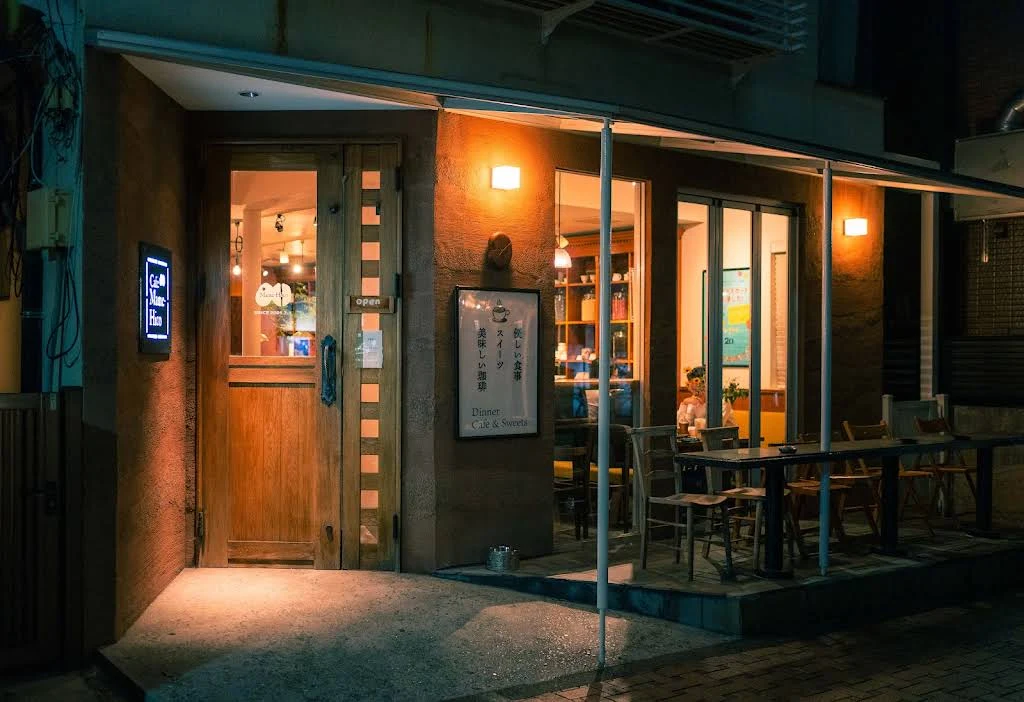
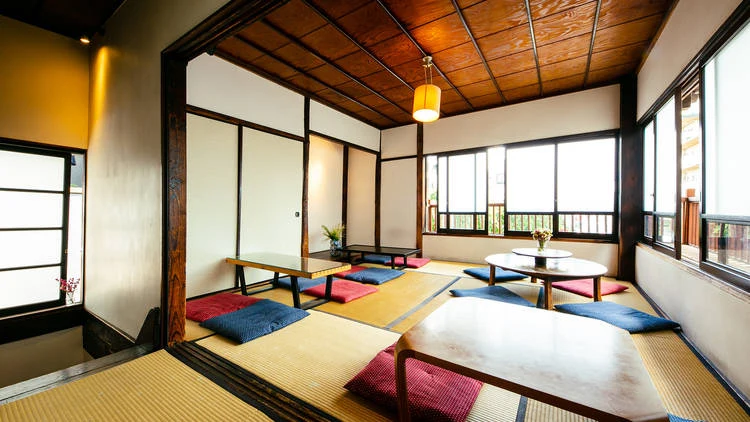
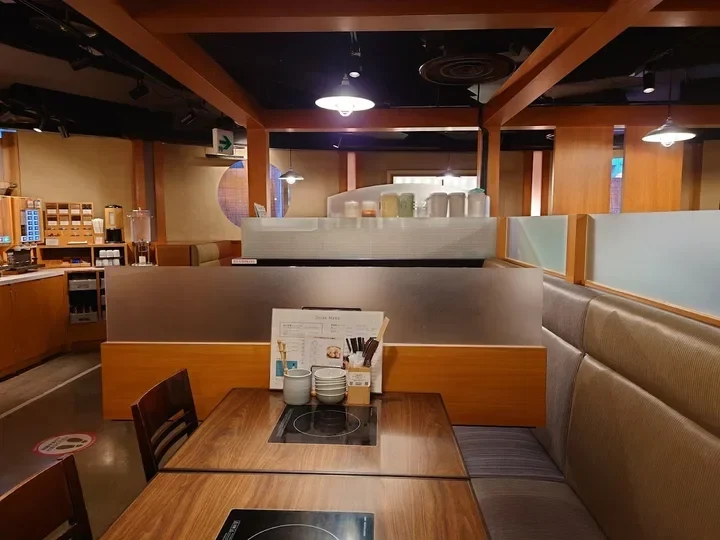
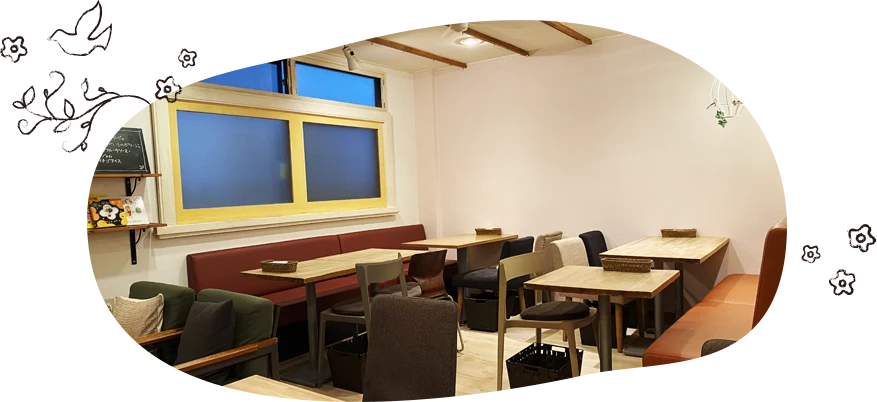
The room works like a neighbourhood pancake shop with a long memory. It is casual and small in feel, built for people who came for a plate rather than a laptop session or a long coffee programme. Regulars run from children to people who have been coming for years, and tables turn on griddle timing rather than bar speed. Nothing is pulled from a batch, so the pace is steadier than at a counter where everything is already waiting in the case. Seasonal and limited menus give the regulars a reason to read the board before ordering, while soup, salads and toppings keep the meal from being only a sweet stop. Come with enough time for the batter to be made properly. That is the trade.
Start with fruit, cream or honey butter
Order a named pancake, not a category. The pineapple pancake is the one to take if it is on: pineapple, ice cream, sauce, red tea caramel, fresh cream, almond slice and lemon brûlée give the plate acid, dairy, crunch and bitterness rather than just sugar. The Happy Cream Pancake is the more direct route, especially the version built around extra fresh cream, with maple syrup or honey doing the simple work.
Honey butter pancakes sit closer to the comfort end of the menu and are the safer order for a child, or for anyone who wants to taste the batter unadorned. Seasonal Fruit Pancakes are the regular’s answer, because the kitchen treats the seasonal plate as the moving centre of the menu. On a first visit order pineapple when it is available, then come back for whatever the season has put on the board.
Tags
Frequently asked questions
What should I order at Pancake Mama Cafe VoiVoi?
The pineapple pancake if it is on the board. Pineapple, ice cream, sauce, red tea caramel, fresh cream, almond slice and lemon brûlée give the plate acid, dairy, crunch and bitterness instead of straight sugar. The Happy Cream Pancake is the simpler route, and honey butter is the plainest way to taste the batter itself.
Why does the food take a while?
Because the batter is only mixed once the order is placed, then rested before it goes on the griddle. Nothing is held ready in a batch, so tables turn on cooking time rather than counter speed. The trade is a fresher pancake, and it is worth arriving with time rather than in a hurry.
Compare nearby places
| Venue | Type | Area |
|---|---|---|
| CAFE Mame-Hico Sangenjaya honten | Café | Sangenjaya |
| Kayaba Coffee | Café | Yanaka |
| STREAMER COFFEE COMPANY SHIBUYA | Café | Shibuya |
| Cafe Enseigne Dangle Jiyuugaoka ten | Café | Jiyugaoka |
| Okusawa Factory Coffee and Bakes | Café | Setagaya |