Why go
French flour, AOP butter, two floors in Kichijoji
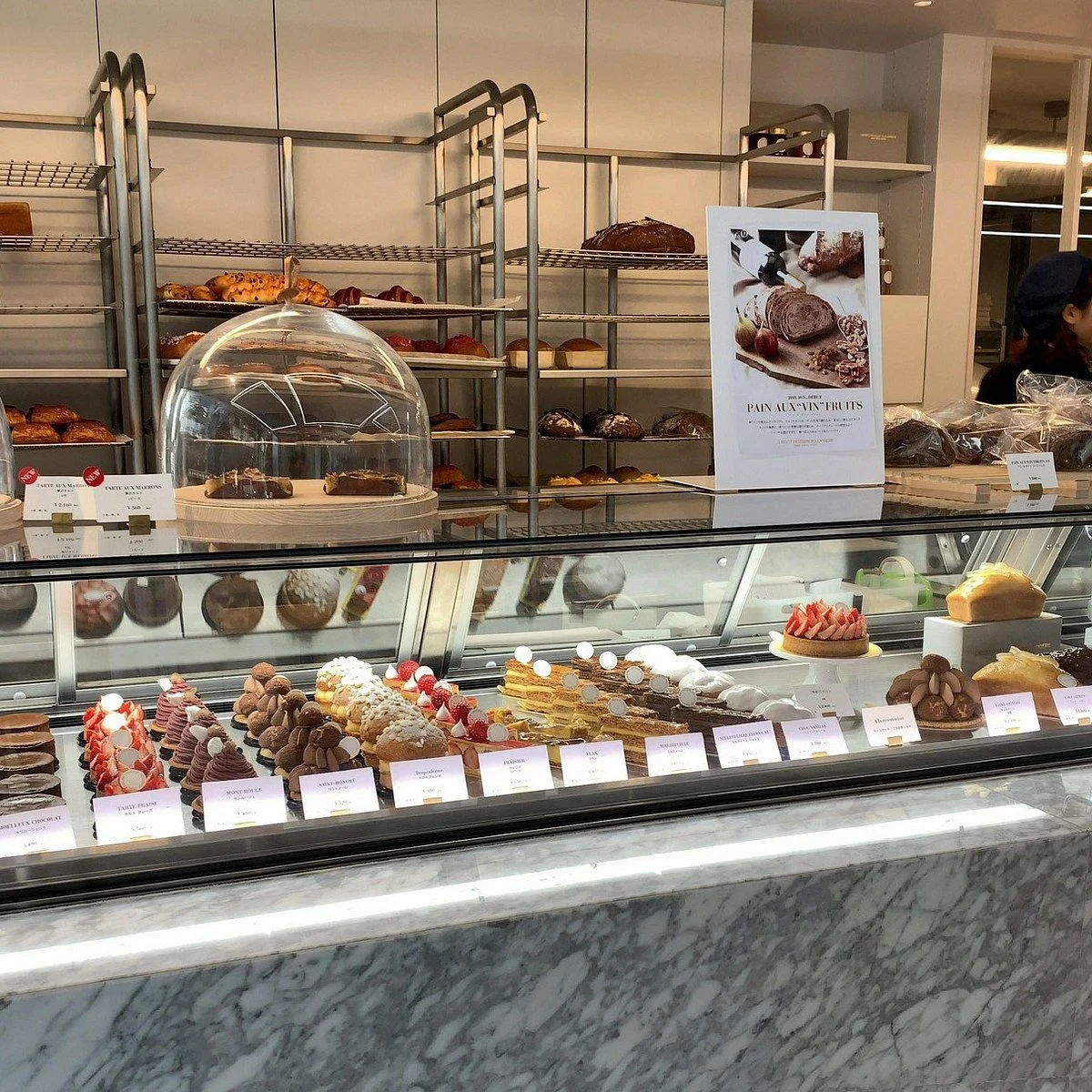
The ground floor of the Tokyo main store in Kichijoji is given over to two cases at once, patisserie on one side and boulangerie on the other, with the second floor turned over to a café. LIBERTÉ is built so that bread and sweets carry equal weight, and the layout makes that literal rather than rhetorical.
The house works to a French-Japanese ingredient philosophy: French wheat flour, AOP butter and salt, with items shaped individually by hand rather than run off a line. The shorthand the shop uses for itself, パン・スイーツ, keeps bread from being treated as a sideline and cakes from being treated as decoration. Season sets the rest of the rhythm, through summer melon shortcake, fruit-led summer gift boxes, and limited cakes built around dates such as Mother’s Day.
Buy downstairs, settle in upstairs
A visit usually starts on the retail floor, where the first decision is bread, pastry, cake, or some combination to carry out. Upstairs the café slows the same material down, and bread bought downstairs can be eaten at a table rather than on the pavement. The pattern stays loose: a quick bakery stop, a cake collected for later, or a deliberate pause in the same building.
The café room is à la carte rather than a tasting sequence, and retail and dine-in functions overlap through the day. MIDI, the lunch plate, anchors the middle of it and runs until it sells out. An elevator reaches the second floor, which matters for anyone arriving with a stroller or luggage. The result is polished and ingredient-led but still built for ordinary bakery visits.
Start with the croissant, then follow the fruit
Read the counter through its bread-and-sweets architecture rather than a fixed list of signatures. Begin on the boulangerie side, where the core craft sits: bread made within a materials-first approach using French wheat flour, AOP butter and salt. That programme is what the first floor is arranged around, and the upstairs café is where it becomes a sit-down order rather than a bag.
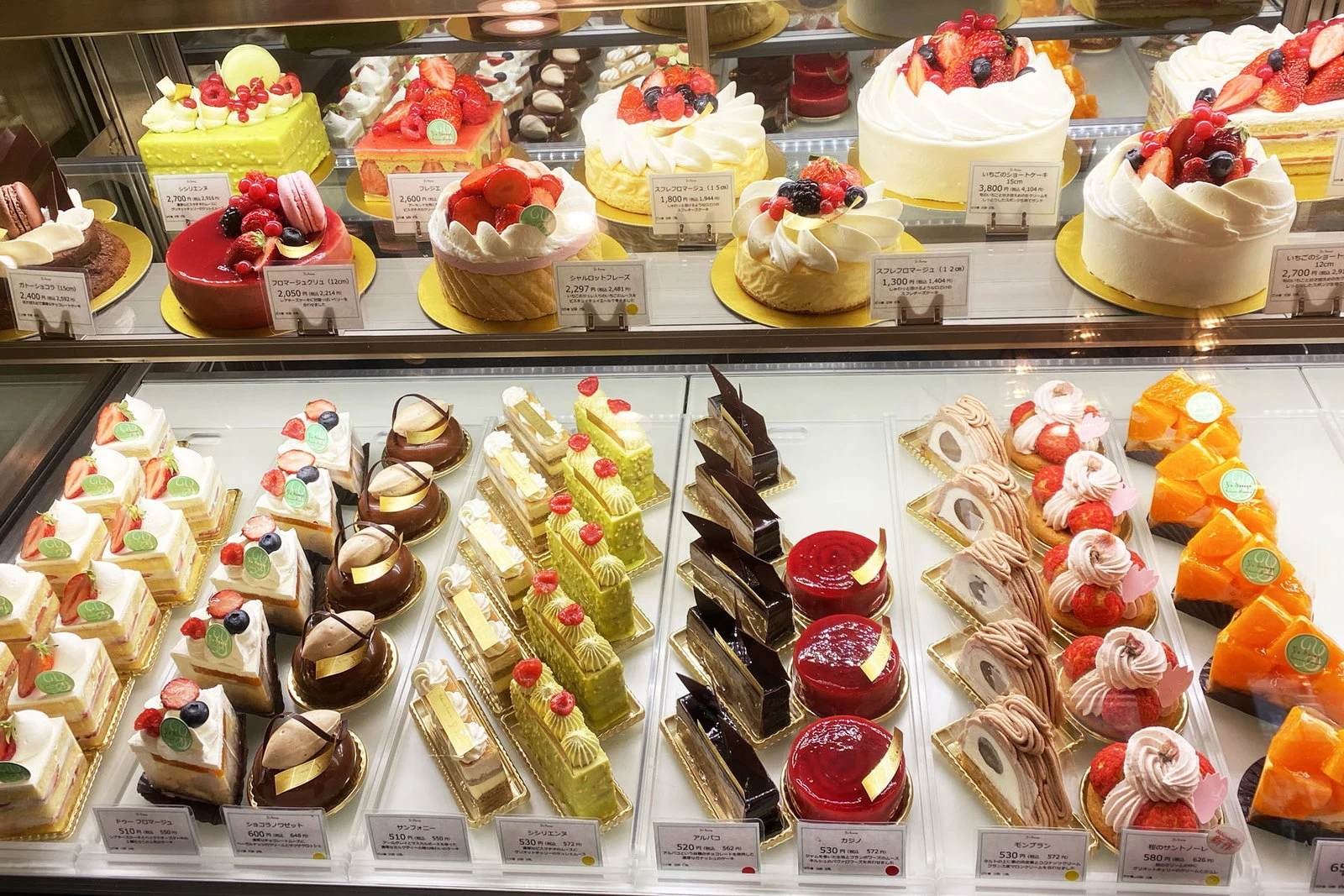
For pastry, follow the fruit. Summer melon shortcake places a Japanese-Western cake tradition inside a French patisserie identity, and the summer gift boxes continue in the same fruit-forward direction. Limited cakes tied to occasions keep the case moving, so what is there in May is not what is there in August. Order accordingly: start at the bakery counter, study the seasonal cakes, and use the café upstairs when the visit calls for more than takeaway.
Frequently asked questions
What should I order first at LIBERTÉ in Kichijoji?
Start on the boulangerie side, where the bread is made with French wheat flour, AOP butter and salt and shaped by hand. Then move to the seasonal fruit cakes: summer brings melon shortcake and fruit gift boxes, and occasions such as Mother’s Day bring limited cakes, so the case changes through the year.
Can I eat what I buy downstairs?
Yes. The first floor is patisserie and boulangerie retail and the second floor is the café, and bread bought downstairs can be eaten upstairs at a table. The café runs à la carte rather than as a set sequence, with MIDI, the lunch plate, served until it sells out.
Compare nearby places
| Venue | Type | Area |
|---|---|---|
| COFFEE HALL Kugutsusou | Café | Kichijoji |
| Ore no Bakery Ebisu | Bakery | Ebisu |
| TOLO COFFEE AND BAKERY | Bakery | Setagaya |
| PATISSERIE ASAKO IWAYANAGI | Bakery | Setagaya |
| LE CAFE de Joel Robuchon Nihonbashi takashimaya ten | Bakery | Nihonbashi |