Why go
Shokupan first at the bakery counter
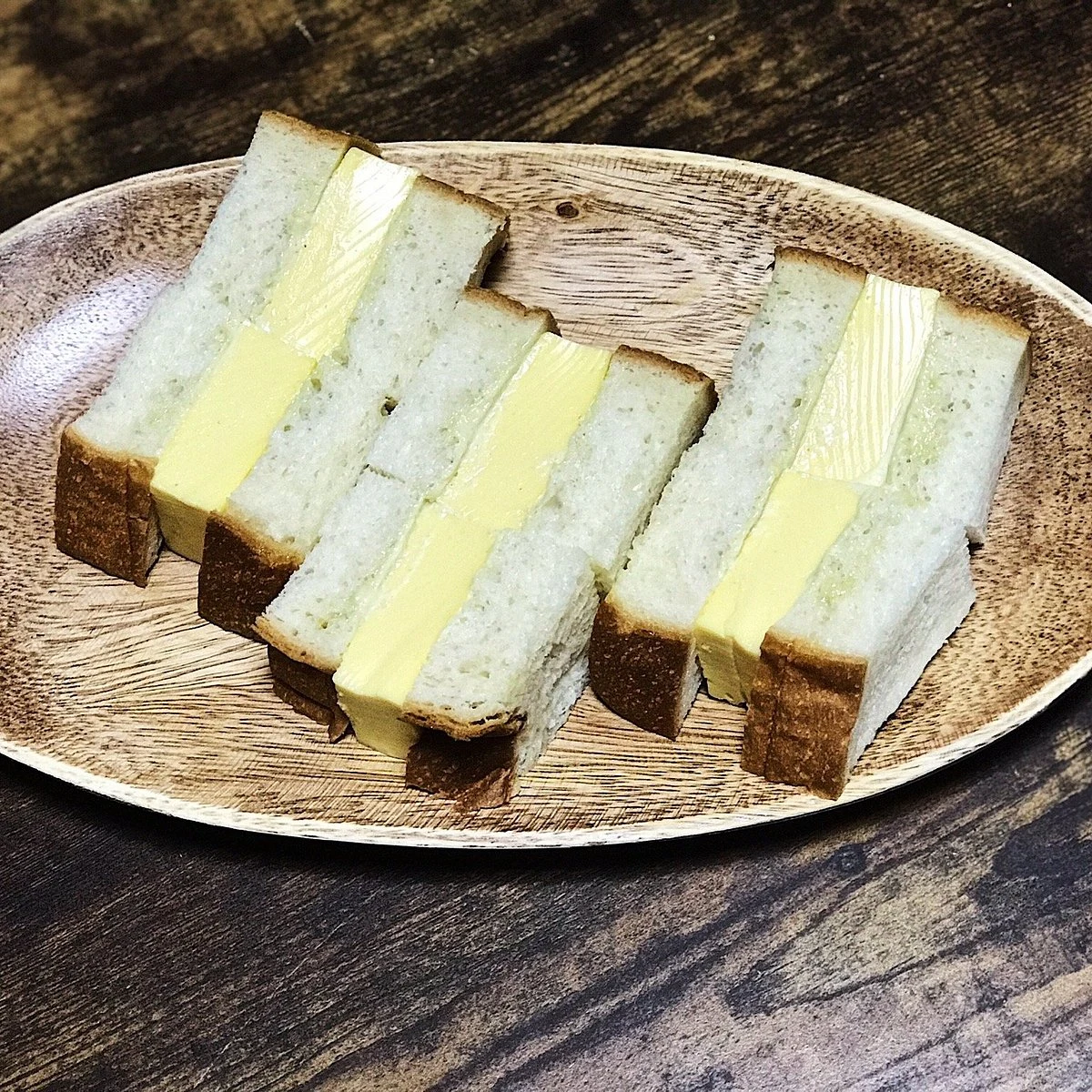
Bread is what you queue for at Ore no Bakery Ebisu, and shokupan is the loaf that defines the counter. The mascarpone honey version is the one to take home first, rich enough to eat in slices without anything on it. Nama shokupan, the soft uncut style meant to be enjoyed as it comes, and the domed Yamagata loaf give the same dough two more shapes, so a single visit can cover the range without straying far from one idea.
Beyond the loaves, croissants cover the laminated side of the case and truffle bread supplies the savoury, aromatic option that tends to sell on scent alone. The selection stays deliberately tight, which suits a counter designed for people buying bread to carry away rather than browsing a long list. Bread from a counter like this is best on the day, so buy what you actually plan to eat.
A bakery below, an Italian dining room above
The shop sits in Clock Plaza at Ebisu Garden Place in Tokyo, and it is not the whole operation. Ore no Italian occupies the second floor, so the building holds two rhythms under one name: a quick bread transaction downstairs and a seated Italian meal upstairs. Knowing that in advance changes how you use the place, because the bakery is a stop rather than a destination in itself.
The setting does the rest of the work. Ebisu Garden Place is a busy, open complex rather than a backstreet, so the counter draws office workers, residents and people passing through in equal measure. Mornings are the bread run, the middle of the day belongs to shoppers, and the evening leans on the restaurant above.
Making the stop worthwhile
Think in formats rather than menus. If the point is bread, stay downstairs, buy the mascarpone honey shokupan and add a croissant or the truffle bread for contrast. If the point is a meal, treat the bakery as the warm-up and carry on to the Italian floor above.
The loaves travel well, which makes this a practical stop before a train or a picnic in the surrounding plaza. Buy more than one, since the difference between the nama style and the Yamagata loaf is easier to taste side by side than to describe. Anyone with time to spare can eat on a bench in the plaza and watch the crowd move past the clock tower.
Frequently asked questions
What should I buy at Ore no Bakery Ebisu?
Start with the mascarpone honey shokupan, the loaf the counter is best known for, then compare it with the nama style or the domed Yamagata version. Croissants cover the laminated side of the case, and truffle bread is the savoury choice for anyone who wants something aromatic to eat straight away.
Is there anywhere to sit down?
The bakery itself is a counter built around buying bread and moving on. Ore no Italian occupies the floor above, so a seated meal is available in the same building if you want to extend the stop. Downstairs, plan on a quick transaction rather than a long café session.
Compare nearby places
| Venue | Type | Area |
|---|---|---|
| Patisserie Les Annees Folles Ebisu honten | Bakery | Ebisu |
| Liberte Patisserie Boulangerie Tokyo honten・kichijoji | Bakery | Kichijoji |
| CENTRE THE BAKERY Aoyama ten | Bakery | Omotesando |
| TOLO COFFEE AND BAKERY | Bakery | Setagaya |
| LE CAFE de Joel Robuchon Nihonbashi takashimaya ten | Bakery | Nihonbashi |