Nakameguro

Patisserie Cacao et Paris

BakeryPatisserie4.3 on GoogleAbout $10 a head
Patisserie Cacao et Paris

Why go

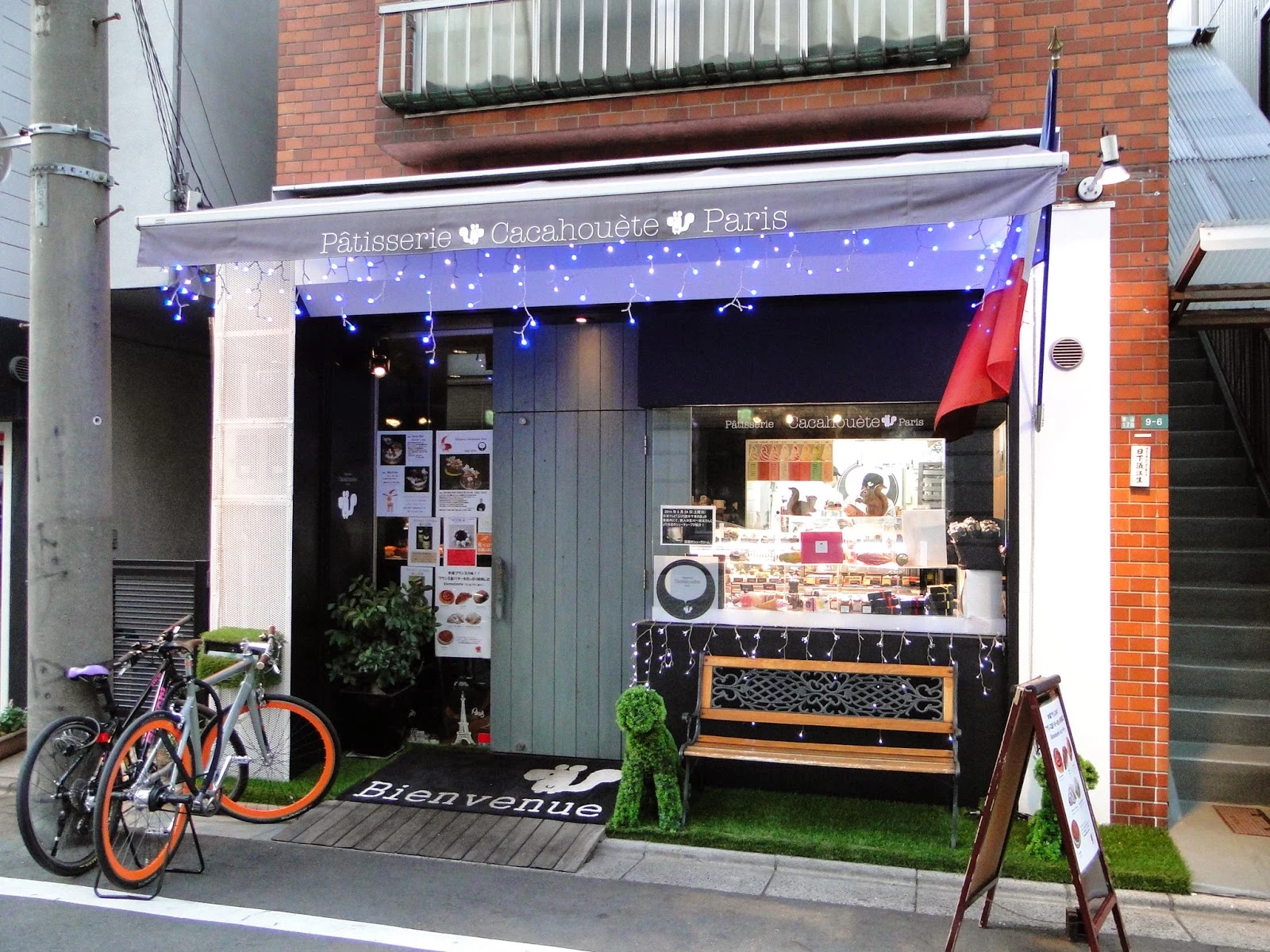
Higashiyama sits just beyond Nakameguro’s heavier foot traffic: close enough to the station for convenience, far enough from the canal-side crowd to feel residential. Here, Tokyo patisserie culture reads differently from a hotel dessert trolley or department-store counter: smaller scale, quick decisions, and a clear split between eat-in and take-away. Patisserie Cacao et Paris works in that compact mode, with three counter seats and a format that treats the shop as a specialist stop, not a lingering café.

Tokyo is one of the serious cities for French-style pastry outside France, but its hierarchy is not built only on grand rooms or luxury packaging. The city rewards precision at low price points, repeat-visit consistency, and the ability to hold attention in neighborhoods where customers have dense options within a few train stops. Recognition on Tabelog’s Sweets TOKYO 100 list in 2020, 2022, and 2023 gives this address a clearer signal than social-media popularity alone, placing it in Tokyo’s sweets conversation through sustained local evaluation rather than one seasonal rush.

A Meguro patisserie in Tokyo's serious sweets tier

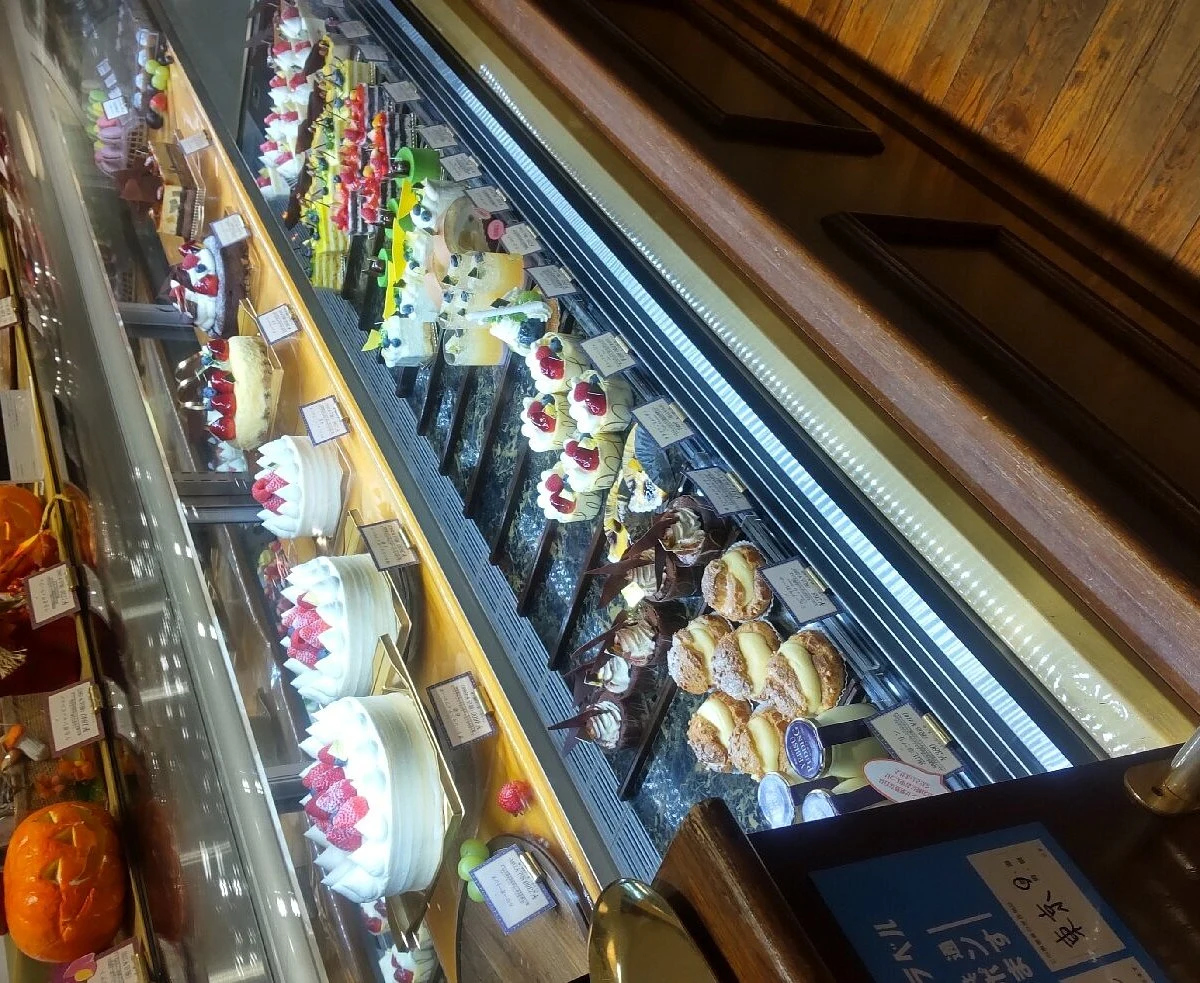
The category matters. Listed across cake, Western-style sweets, and café, it sits in the patisserie lane rather than the broader dessert-café category. In Tokyo, a queue for pancakes, parfaits, or character desserts can signal a different pleasure from a shop built around pastry-case discipline. Think concise purchase, small counter, and a sweets program competing with neighborhood patisseries rather than destination tasting-menu restaurants.

The price band tells part of the story: lunch under JPY 999 and dinner from JPY 1,000 to JPY 1,999 keep it in the everyday-premium bracket, a category Tokyo handles with unusual seriousness. In many cities, pastry recognition clusters around luxury hotels or full-service restaurants. Tokyo’s sweets culture is less dependent on that frame; a small shop can join the conversation if product and repetition hold up.

That is where the awards trail matters. Tabelog’s Hyakumeiten lists are not international star systems, but in Japan they work as practical maps of category specialists. Repeated selection for Sweets TOKYO 100 in three separate years suggests more than novelty: local users continue to place the shop in a competitive bracket of excellent counters, cafés, and patisseries.

For travelers building a Tokyo dining week, this stop fills a different role from sushi, yakitori, or a long kaiseki lunch. Use it between heavier reservations, after a Nakameguro walk, or as a take-away anchor before crossing the city. For broader planning, Our full Tokyo restaurants guide gives the wider dining map, while nearby category shifts appear in 124. KAGURAZAKA (Yakitori), 12/10 Shinjuku ten, and . 鮪と炭火焼き うお炭 秋葉原店. The comparison is not cuisine, but how Tokyo lets small formats carry serious reputational weight.

Counter scale, take-away logic, and the Nakameguro rhythm

The three-seat counter shapes expectations. This is not a lounge-style dessert room, and limited seating makes take-away part of its identity. The format suits Nakameguro’s pattern of walkers, commuters, residents, and visitors pairing a focused food stop with another neighborhood errand. The address is in Higashiyama, Meguro City, with Naka-meguro as the nearest station, one of Tokyo’s better areas for low-friction food detours.

The small room also changes how to read service. A compact sweets counter has little space for ceremony; value sits in selection discipline, quick turnover, and maintaining standards through the day. Payment flexibility, including major credit cards, transportation IC cards, several electronic-money systems, and PayPay, helps visitors carrying little cash. Non-smoking status and no dress code make it polished but casual.

Within Tokyo’s dining map, Patisserie Cacao et Paris belongs beside focused neighborhood formats rather than large-format restaurants. Sushi Takamitsu, Sushi Tsubomi, and 鮨つぼみ represent reservation-led counter culture in a different price and ritual category. Higashiyama Muku places Japanese dining in the same district conversation, while Pizzeria e Trattoria da ISA shows how Nakameguro supports specialist food identities beyond pastry. The shared lesson is concentration: a narrow format, clear product category, and enough consistency to enter repeat local movement.

Travelers comparing dessert and café stops across Japan should not treat Tokyo pastry as a side note. The city’s sweets addresses often show the same category seriousness as ramen, curry, and sushi counters. For adjacent references, 2D Cafe shows a more visual café register, while 3 Chome no Curry Ya San sits in another low-cost specialist lane. Outside Tokyo, small-format food culture appears in.cafe in Osaka,.know in Kumamoto, (Shoku) Vietnam in Kawasaki, [Curry Senmon Ten] Maruyama Kyoju. in Sapporo, and [ki:] in Kyoto. Overseas Japanese-leaning formats such as Jōdo Saké Bar in Los Angeles and Onigiri Time in Pasadena also show how specialized Japanese food culture travels when the format is clear.

Know Before You Go

  • Format: Cake, Western-style sweets, and café, with take-out service and three counter seats.
  • Recognition: Selected for Tabelog Sweets TOKYO 100 in 2020, 2022, and 2023.
  • Area: Higashiyama, Meguro City, with Naka-meguro listed as the nearest station.
  • Price signal: Lunch under JPY 999; dinner JPY 1,000 to JPY 1,999.
  • Payments: Major credit cards, transportation IC cards, selected electronic-money systems, and PayPay are accepted.
  • Planning context: For a wider city itinerary, use Our full Tokyo hotels guide, Our full Tokyo bars guide, Our full Tokyo wineries guide, and Our full Tokyo experiences guide. Travelers extending beyond Tokyo can also compare regional dining formats with -Grilled beef Sukiyaki- KAMAKURA TANUKIAN 鎌倉 たぬき庵 in Kamakura.

Tags

CozyClassicHidden GemSoloCasual HangoutAfter WorkStandaloneDesign Destination