Why go
A case of retro-modern French sweets
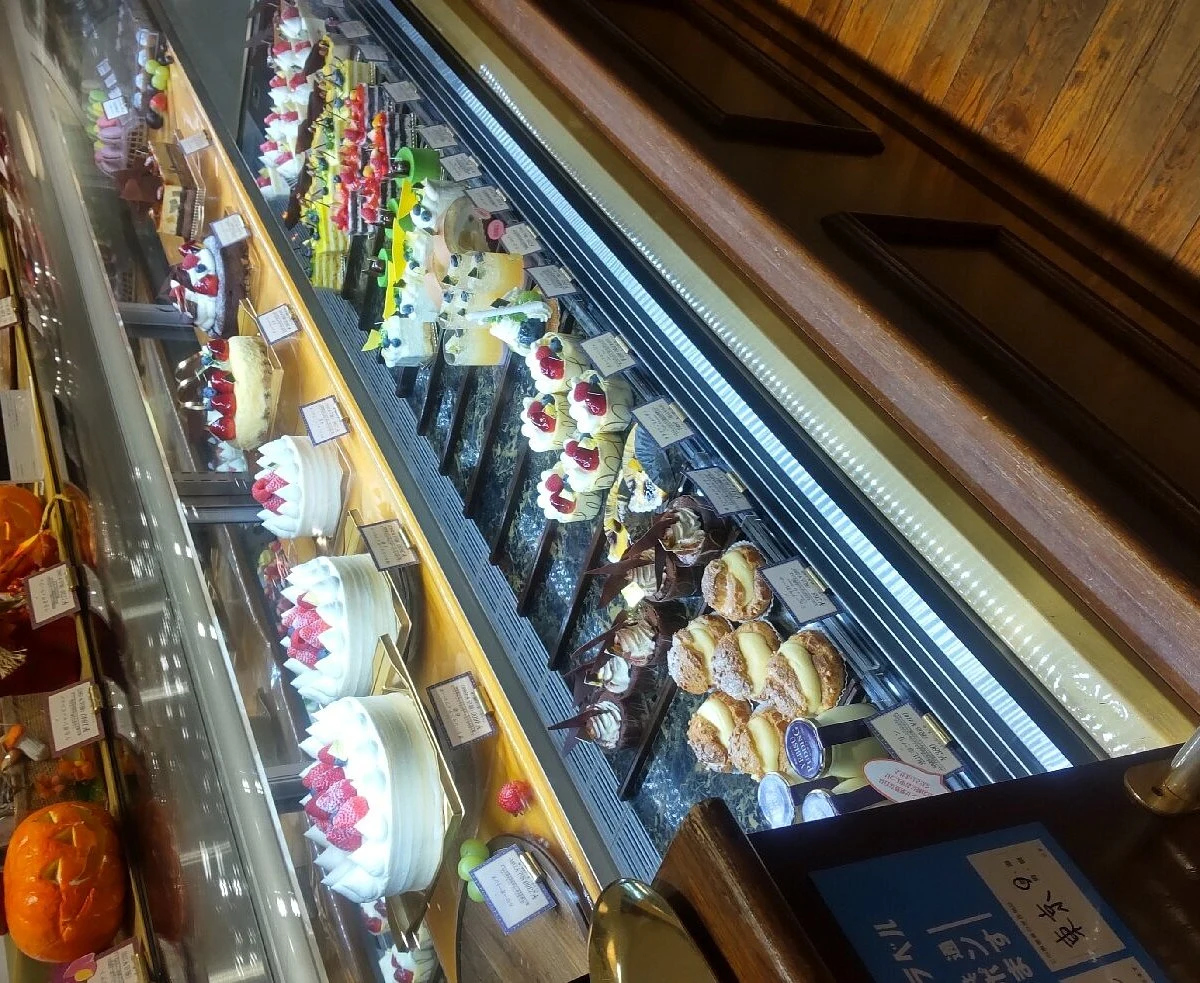
The Ebisu counter is arranged for choosing: financiers, madeleines classiques, dacquoise and croquants, and a chocolate line led by the soufflé au chocolat. This is the main shop of Patisserie Les Annees Folles, a French confectionery specialist with a second Tokyo address in Nakano, and the house describes what it makes as retro-modern French sweets. The framing is worth taking literally. The emphasis falls on patisserie craft, on choosing from a display case, and on baked confectionery made to be given as much as eaten, rather than on savoury courses or a long table-service meal. Classic French categories carry the range, and the chocolate desserts sit at the top of it.
The counter works like a sweets shop, not a salon
The visit is retail-first. Guests come to browse, choose and carry sweets away, either for themselves or as a gift, and the shop is set up for that rhythm rather than for settling in with a pot of tea. Ebisu honten is the flagship of the two, with the Nakano shop and an online counter showing a small multi-location pastry operation rather than a single dining room. The design language the house claims for itself is that same retro-modern French idea, and the case is presented accordingly, polished and tightly edited rather than sprawling. Seasonal pieces join the standing range through the year, so the assortment shifts without ever becoming a long menu. In practice, approach the counter as a place to select finished patisserie and baked sweets from a focused line-up, then decide how many will survive the journey home.
Start with the chocolate soufflé
The clearest starting point is the soufflé au chocolat, made for the Ebisu shop and built entirely on texture: moist, melting, soft and richly chocolate. Its companion, soufflé au chocolat framboises, gives the same idea a raspberry accent, which is the easiest way to order two without repeating yourself. From there, build outward through the baked classics. The financier brings the butter-rich petit gâteau, browned at the edges and dense in the middle. Madeleine classique is the traditional shell-shaped bake, best eaten soon after buying. Dacquoise and croquants add a crisp, nutty direction that travels well and suits gifting. There is no tasting-menu structure to work through, so the strongest approach is simple: take one chocolate soufflé as the centrepiece, then add a classic baked sweet for contrast.
Frequently asked questions
What should I order at Patisserie Les Annees Folles?
Start with the soufflé au chocolat, the signature of the Ebisu shop, which is built on texture: moist, melting and richly chocolate. Its raspberry-accented counterpart, soufflé au chocolat framboises, makes a good second choice. Then add one baked classic for contrast, a financier, a madeleine classique, or a dacquoise or croquant if you want something crisp and nutty.
What kind of pastry shop is it?
A French confectionery specialist working in what it calls a retro-modern register, with the Ebisu shop as its main address and a second in Nakano. The counter is retail-first: you browse a focused case of baked French sweets, choose, and carry them away for yourself or as a gift, rather than sitting down to table service.
Compare nearby places
| Venue | Type | Area |
|---|---|---|
| Ore no Bakery Ebisu | Bakery | Ebisu |
| patisserie de bon coeur Musashikoyama honten | Bakery | Musashikoyama |
| Boulangerie Tokyo | Bakery | Shiba Park |
| TOLO COFFEE AND BAKERY | Bakery | Setagaya |
| The Peninsula Boutique & Cafe | Bakery | Marunouchi / Yurakucho |