Why go
Fresh cakes, baked sweets, and the Musashikoyama counter
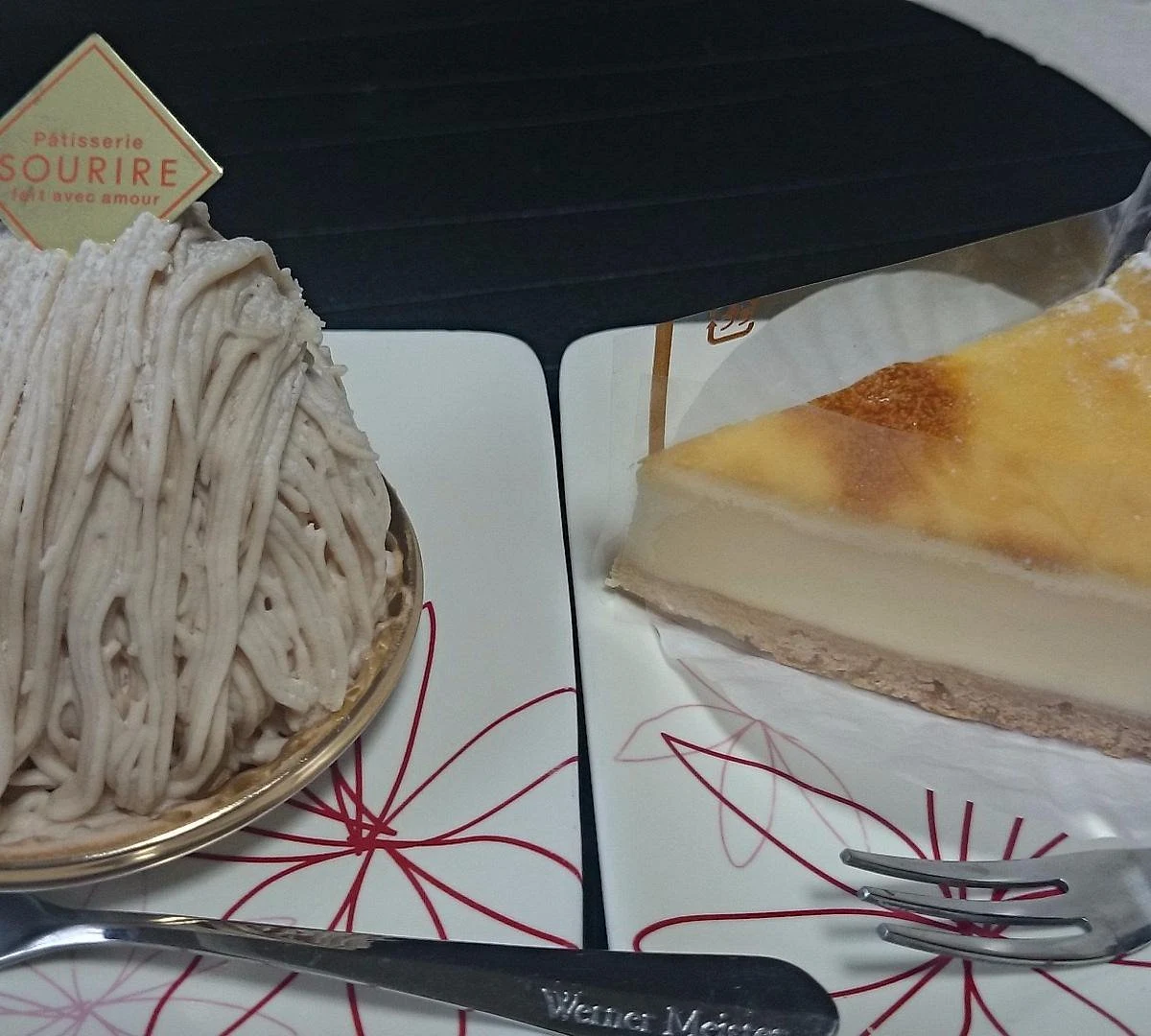
The cake case at this French patisserie in Musashikoyama carries composed cakes for eating soon, baked sweets for keeping, and boxed assortments built for giving. The programme runs several lanes at once rather than a single bakery line: 生菓子 for immediate cake buying, 焼菓子 for baked sweets, semi-fresh pieces that hold longer, and coffrets for formal gifts. That shapes the decision at the counter, which is rarely simply cake or no cake but a choice between something to eat within the hour, something to carry across the city, and something that belongs to the season’s collection. The house works in a French register throughout, and the seasonal rhythm is part of the draw: autumn and winter collections arrive alongside the standing baked-sweet assortments, so regulars have a reason to look again rather than repeat the same box.
A retail patisserie that also seats you
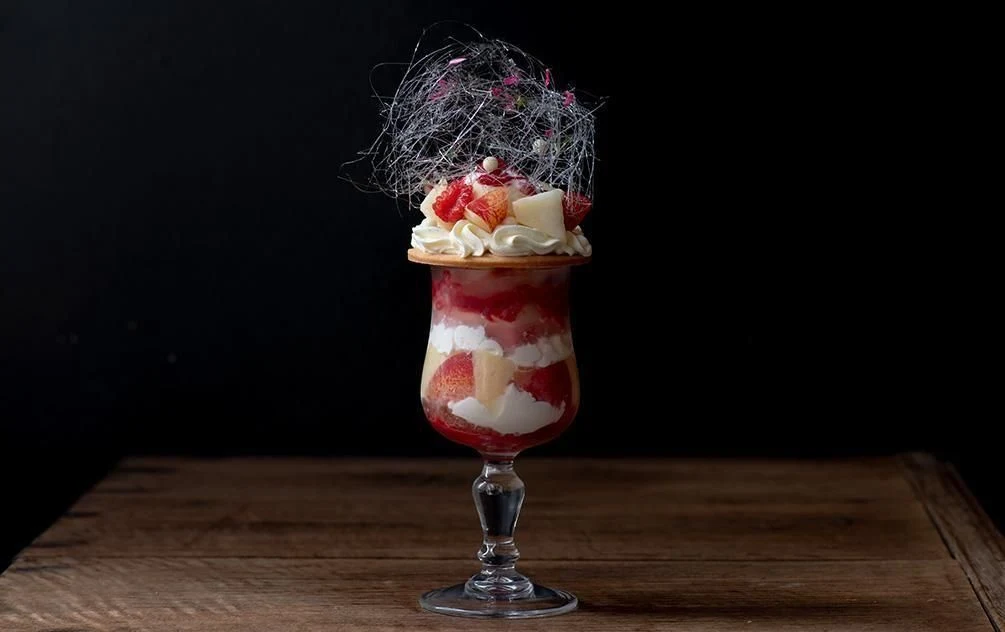
The Musashikoyama main store is a retail counter first, with the case and the packaged shelves doing most of the speaking. The boxed sweets are not an afterthought beside the cakes; the coffret range gives the shop a strong gift-buying spine, from a modest assortment to the larger presentation boxes. The room is quiet and polished rather than tourist-facing, with counter service and the composure of a proper cake shop. The main store carries a second role through café service, where a parfait runs in limited numbers and turns a straight purchase into a seated dessert visit. The calendar adds a third thread: sweets classes for children, and pastry and cake classes in the salon, so the place is not only selling finished work. For a neighbourhood flagship, that teaching side reads as part of the craft rather than a sideline.
Start with a single piece, then choose the box
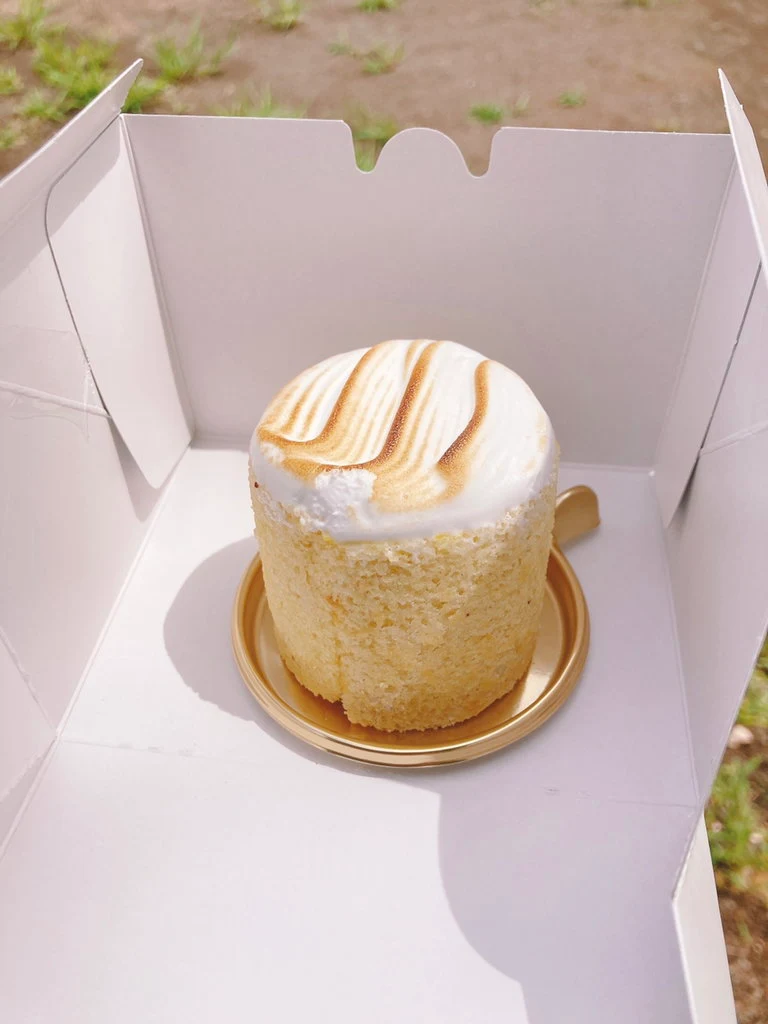
Start with one individual cake rather than an assortment if the plan is to understand the counter. Ricotta is the clearest first read, a single piece that sits with everyday patisserie rather than with the occasion cakes. From there the case divides usefully. The fruit-led work, pistachio and strawberry among it, is the lighter direction and follows the season most closely. The darker line runs through chocolate, caramel and salt, which is where the house shows its technique most plainly. The gift side has its own logic: a smaller coffret is the safer first box, while the grand format makes sense when variety and presentation are the point. The counter’s strength is that both paths feel fully considered. One person can leave with a single cake for the afternoon; another can leave with a box ready for a visit, a thank-you or a train ride across Tokyo.
Frequently asked questions
What should I buy on a first visit?
Take a single fresh cake rather than an assortment. Ricotta is the clearest first read, sitting with the everyday patisserie rather than the occasion cakes, and it shows the house style directly. If the visit is for a gift instead, the coffret range is the stronger choice, with a smaller box for one recipient and the grand format when variety matters.
Can you eat there, or is it takeaway only?
You can eat in. The main store keeps a café side alongside the retail counter, where a parfait runs in limited numbers, so a visit can be a seated dessert rather than a purchase carried out. The case and the shelves of baked sweets and coffrets still do most of the work, and the salon also hosts pastry and cake classes.
Compare nearby places
| Venue | Type | Area |
|---|---|---|
| Patisserie l’abricotier | Bakery | Koenji |
| Patisserie SOURIRE | Bakery | Meguro |
| Patisserie Les Annees Folles Ebisu honten | Bakery | Ebisu |
| Boulangerie Tokyo | Bakery | Shiba Park |
| Patisserie Salon de The Amitie | Bakery | Kagurazaka |