Why go
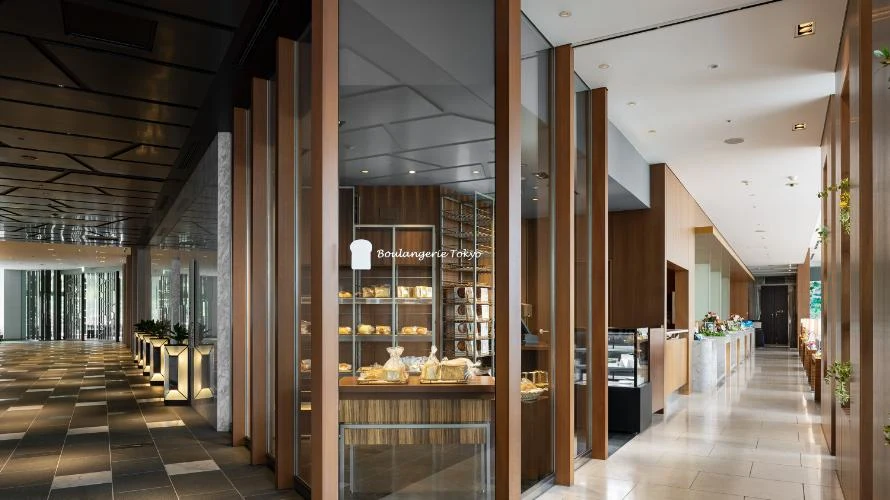
Bread leads at Boulangerie Tokyo, and the case behind the counter does the rest: original loaves in the morning, signature cakes through the day, and a short run of matcha sweets that gives the counter its own accent.
Bread first, matcha in the cake case
The bakery is built around a refined counter rather than a long sit-down meal. Original breads and everyday bakery items form the base, the sort of buying that suits a quick morning stop or a bag carried out. Coffee belongs to the room, part of the smell of the place alongside fresh bread, but the drinks are a companion to the case rather than a programme of their own.
The patisserie side gives the counter its sweeter identity. Signature cakes and anniversary cakes sit beside matcha-focused work, especially the matcha roll cake and the matcha terrine. Those two are the clearest choices when you want something more distinctive than a simple bread run, and they are the items that separate this counter from a straightforward boulangerie.
A calm counter inside a Tokyo hotel
This is a hotel bakery, on the ground floor of The Prince Park Tower Tokyo in Shibakoen, and it behaves like one. Think in terms of the counter, the case and the bag: bread for a quick stop, cakes for later, anniversary cakes when the occasion has been planned in advance. Service happens at the counter, and the mood is quiet, modern and elegant, closer to a hotel lobby than a neighbourhood bread shop.
The reason to come is not an elaborate meal but the simple pleasure of choosing bread and pastry in a calm Minato setting. There is no tasting menu here and no long drinks list. The visit is short by design, and the pleasure is in the choosing.
Order the matcha roll cake, then bread for the bag
Start with the matcha roll cake when it is out. It is the item that best expresses the patisserie side of the bakery, and it travels well enough to carry back to a room or an office. For something smaller and denser, the matcha terrine follows the same logic in a different texture.
For a quick stop, build the order around the original breads and keep it uncomplicated. Signature cakes and anniversary cakes are the other lane, particularly when the purchase is a gift or a celebration rather than a snack. One loaf, one matcha sweet, and the visit has done what it is for.
Frequently asked questions
What should I order at Boulangerie Tokyo?
Start with the matcha roll cake, the item that best shows the patisserie side of the counter. The matcha terrine is the denser alternative if you want something smaller. For a quick stop, build the order around the original breads, and keep the signature and anniversary cakes for a gift or a celebration.
Compare nearby places
| Venue | Type | Area |
|---|---|---|
| The Peninsula Boutique & Cafe | Bakery | Marunouchi / Yurakucho |
| Patisserie Les Annees Folles Ebisu honten | Bakery | Ebisu |
| patisserie de bon coeur Musashikoyama honten | Bakery | Musashikoyama |
| LE CAFE de Joel Robuchon Nihonbashi takashimaya ten | Bakery | Nihonbashi |
| Pâtisserie Très Calme | Bakery | Bunkyo |