Why go
The case at Pâtisserie Très Calme is arranged like a French cake shop rather than a café menu: gâteaux on the refrigerated shelf, viennoiseries beside them, and gâteaux de thé boxed for tea. The Tokyo pâtisserie, written both as Tres Calme and トレカルム, takes its name from the French for very calm, and the counter keeps to that register. Mont Blanc and Fondant Chocolat are the two pieces the house pushes forward, with baked-sweets sets and birthday cakes filling out the order.
Gâteau, viennoiserie and tea cakes
The programme splits three ways. Gâteau covers the fresh cake counter and celebration cakes; viennoiseries covers bread and laminated pastry; gâteaux de thé covers the small baked sweets meant for keeping or giving. French category names sit alongside Japanese presentation, which is the clearest signal of what the shop is: a French pastry format worked in a Tokyo neighbourhood.
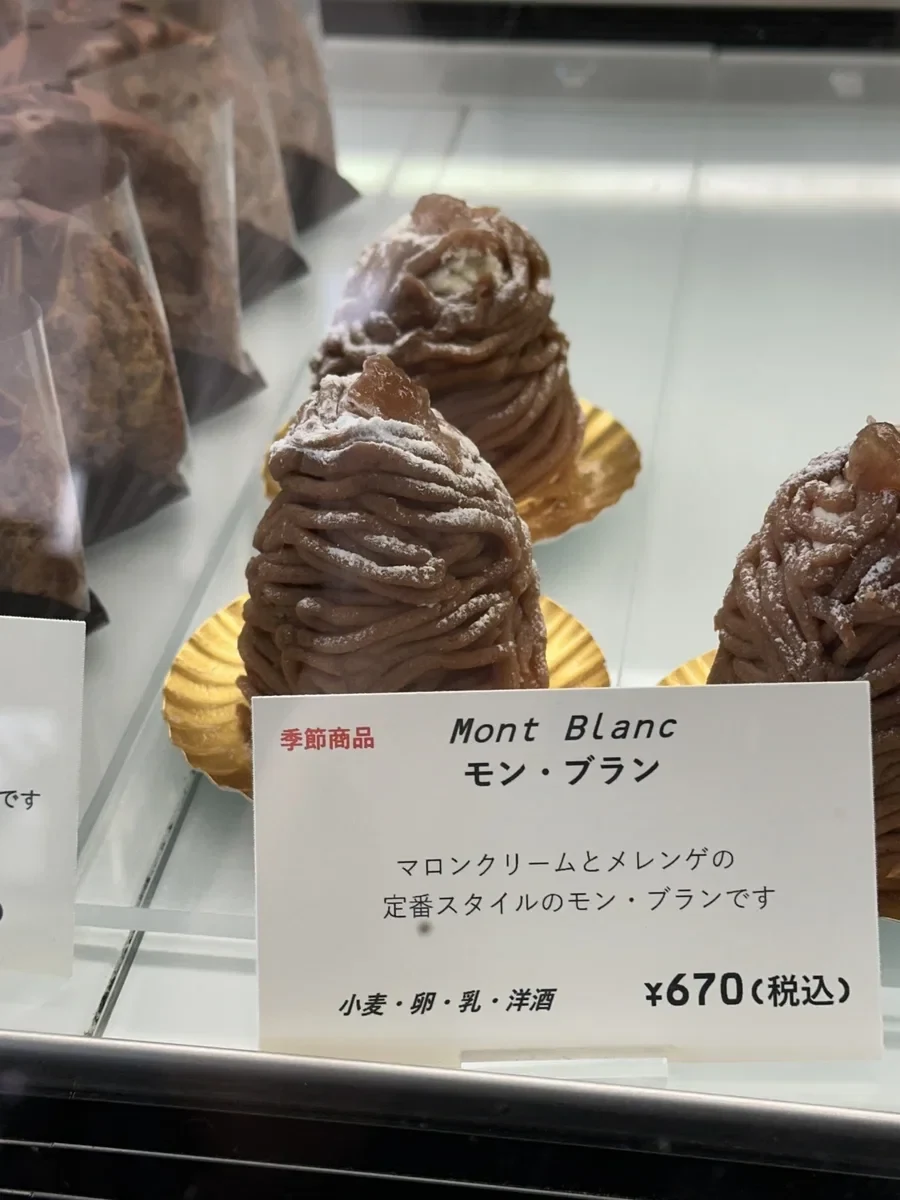
Among the popular items, Fondant Chocolat is the chocolate standard, rich and moist at the centre with a firmer edge. Mont Blanc is the chestnut and whipped cream classic, an autumn and winter reference in most pâtisserie cases. The gâteaux de thé set stretches an order past a single fresh cake, with small baked sweets for sharing or for tea. Gâteau d'anniversaire adds the celebration layer, and the calendar shows up in Christmas cakes and New Year bread.
A retail counter, not a dining room
Service is straightforward retail pastry: choose from the display, have the box tied, and take it away. There is no tasting menu and no savoury progression, and the room is built for choosing rather than lingering. The shop was ranked number 26 on the Tabelog 100 in 2023, which for a small cake boutique means the case is doing the talking.
Seasonal production matters more than any fixed list. Christmas cake announcements arrive in autumn, New Year bread runs on its own schedule, and the everyday case shifts around them.
Start with Mont Blanc
Mont Blanc is the first order: chestnut cream and whipped cream, the most recognisable French reference in the case, and the clearest read on whether the house prefers classics to invention. It does.
Fondant Chocolat is the next anchor, especially for a chocolate-led visit. After that, build from the structure: viennoiseries or bread for the morning, a gâteaux de thé set to take home with tea, gâteau d'anniversaire when the visit has an occasion attached. Around the holidays the decision tilts toward Christmas cake and New Year bread, and the everyday case waits its turn.
Frequently asked questions
What should I order first at Pâtisserie Très Calme?
Mont Blanc, the chestnut and whipped cream classic the shop pushes forward as one of its popular items. Fondant Chocolat is the second call for anyone who wants chocolate to lead, rich in the centre and firmer at the edge. A gâteaux de thé set adds small baked sweets to take home with tea.
What kind of pastry does the shop make?
The counter follows a French structure. Gâteau covers fresh and celebration cakes, viennoiseries covers bread and laminated pastry, and gâteaux de thé covers baked sweets meant for keeping or giving. Birthday cakes are made under Gâteau d'anniversaire, and the calendar brings Christmas cakes in autumn and New Year bread after them.
Compare nearby places
| Venue | Type | Area |
|---|---|---|
| patisserie de bon coeur Musashikoyama honten | Bakery | Musashikoyama |
| French Gashi Patissier Chocolatier Inamura Shozo | Bakery | Yanaka |
| Boulangerie Tokyo | Bakery | Shiba Park |
| Patisserie l’abricotier | Bakery | Koenji |
| Patisserie Les Annees Folles Ebisu honten | Bakery | Ebisu |