Why go
Mango pudding, chocolates, and a hotel gift counter
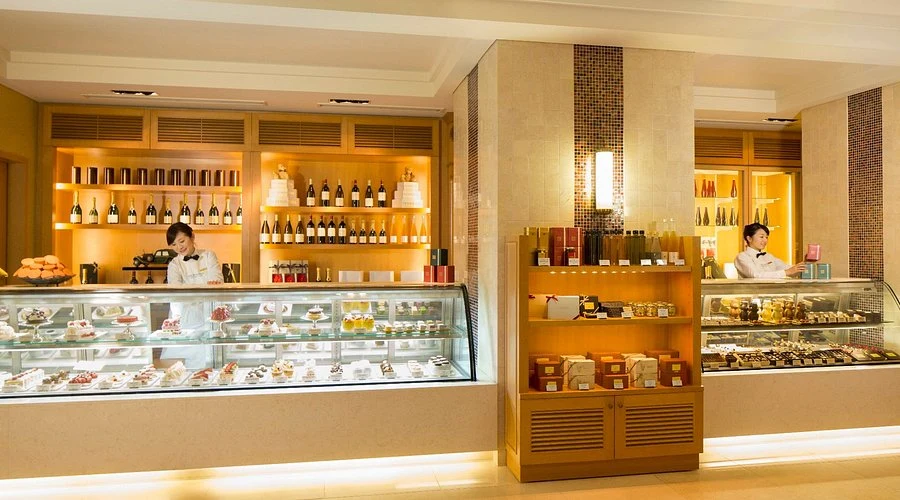
The signature at The Peninsula Boutique & Cafe is the hotel’s mango pudding, and most of what surrounds it is built to be carried away. This is the boutique arm of The Peninsula Tokyo, on the hotel’s basement level, running retail and counter service in one room. The assortment holds premium chocolates made for The Peninsula Hong Kong, selected tea leaves, the hotel’s XO sauce, seasonal sweets, and baked goods. That mix places it closer to a hotel patisserie and gourmet gift counter than to a restaurant with courses, and it is why the room reads as a stop rather than a meal.
A counter built for choosing
The experience is a selection process. You are choosing among chocolates, teas, sauces, pudding, sweets, and baked goods, and the products are pitched at three different uses: dessert now, a souvenir of the hotel, or a luxury food gift. The mango pudding sits alongside seasonal sweets, which gives the counter both a fixed Peninsula signature and a rotating element that follows the hotel calendar. Seasonal gift programmes push that further, with lineups assembled for the summer gifting season rather than for everyday pastry sales. The register is quiet and hotel-formal, and the staff work the way a boutique does, walking guests through the case rather than taking an order at speed. Most of the assortment is chosen to travel, in boxes and tins that survive a flight home, so the decision is usually about who a purchase is for rather than what to eat on the spot.
Start with the mango pudding
Start with the mango pudding. It is the clearest signature the hotel has, and it moves between the dessert and gift sides of the counter without changing character. From there, the most Peninsula-specific purchase is the chocolate selection made for The Peninsula Hong Kong, which ties the Tokyo boutique to the wider hotel group rather than to a local chocolatier. Seasonal sweets are the next thing to look at, especially around holidays and limited hotel campaigns. Baked goods widen the choice beyond chilled desserts, and the XO sauce moves the boutique into savoury pantry territory, which is an unusual thing to find beside a pudding. Selected teas finish the gift architecture and pair naturally with the chocolates and the sweets, which is how most boxes leaving this counter are assembled.
Frequently asked questions
What should you buy at The Peninsula Boutique & Cafe?
The mango pudding first: it is The Peninsula’s best known dessert and the reason most people stop at the counter. After that, the chocolates made for The Peninsula Hong Kong are the most group-specific thing on the shelves. Seasonal sweets change through the year, and the XO sauce is the savoury outlier worth carrying home.
Compare nearby places
| Venue | Type | Area |
|---|---|---|
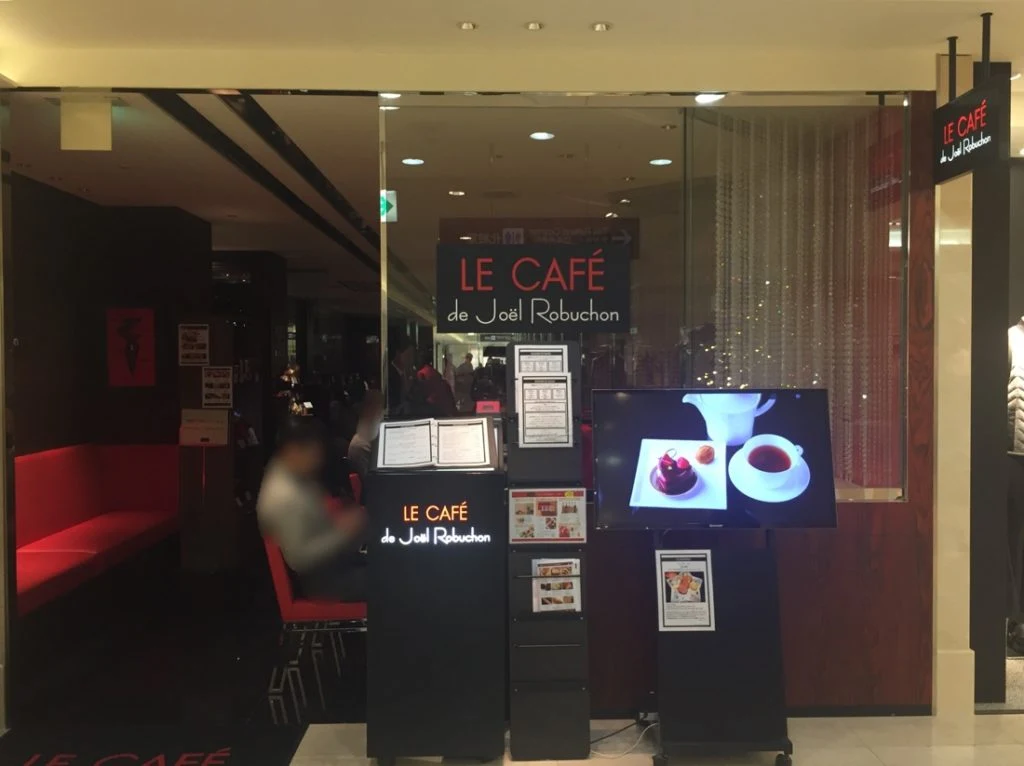
| LE CAFE de Joel Robuchon Nihonbashi takashimaya ten | Bakery | Nihonbashi |
| Boulangerie Tokyo | Bakery | Shiba Park |
| Patisserie Satsuki | Bakery | Akasaka / Kioicho |
| Patisserie Les Annees Folles Ebisu honten | Bakery | Ebisu |
| patisserie Paris S'eveille | Bakery | Jiyugaoka |