Why go
Super shortcakes, Edo SWEETS, and a hotel pastry calendar
The pastry counter here works as a hotel sweets boutique, with New Otani’s Super shortcakes, breads and gift boxes sharing the same case. This is not a single-specialty cake shop. The programme is built in families: Extra Super and Super fruit shortcakes, Tokyo Super Pure Pudding, Tokyo Super Cheesecake, Super Opera Legere, Classic Lemon Pie, Basque Cheesecake, Strawberry Shortcake, Opera Legere, Napoleon pie, Mont Blanc, apple pie, tiramisu choux cream and fruit roll. Mango and melon carry much of the seasonal weight, especially in the New Extra Super Mango Shortcake, the New Extra Super Melon Shortcake and their standard Super counterparts.
The Edo SWEETS line gives the counter its Tokyo accent, bringing matcha shortcake, kuzumochi jelly, matcha castella shortcake, matcha pie, black beans and wasanbon into a hotel-pastry frame. Beside the cakes sit cookies, financiers, madeleines, macaroons, pound cakes and plant-based cookies, the sort of durable sweets that travel well as gifts.
A lobby case built for choosing, pickup and gifts
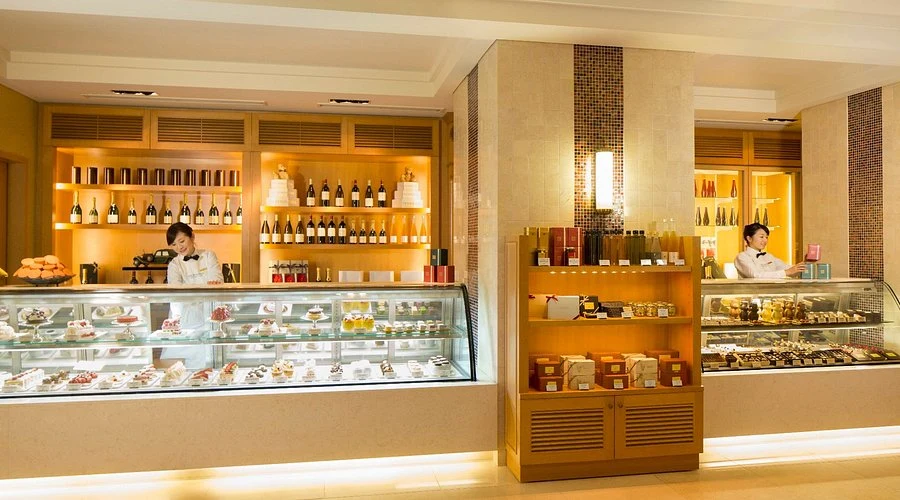
The room works like a polished hotel patisserie rather than a long café session. Patisserie Satsuki sits on the lobby floor of Hotel New Otani Tokyo’s main building, so the counter has a steady mixed rhythm: hotel guests, people collecting reserved cakes, local regulars buying sweets for home, and gift shoppers reading the boxes as closely as the cake labels.
The case is the point. Cut cakes, whole cakes, chilled glass sweets, muffins, croissants, Danish pastries, buns, baguettes, sandwich loaves and savoury breads all sit within the same retail logic. Some items are limited in number, and a few are marked one per day, which changes how to read the display. If the Super fruit cakes are the reason for the walk, arrive with the counter in mind rather than treating it as an afterthought to lunch.
Order the melon or mango, then look at the breads
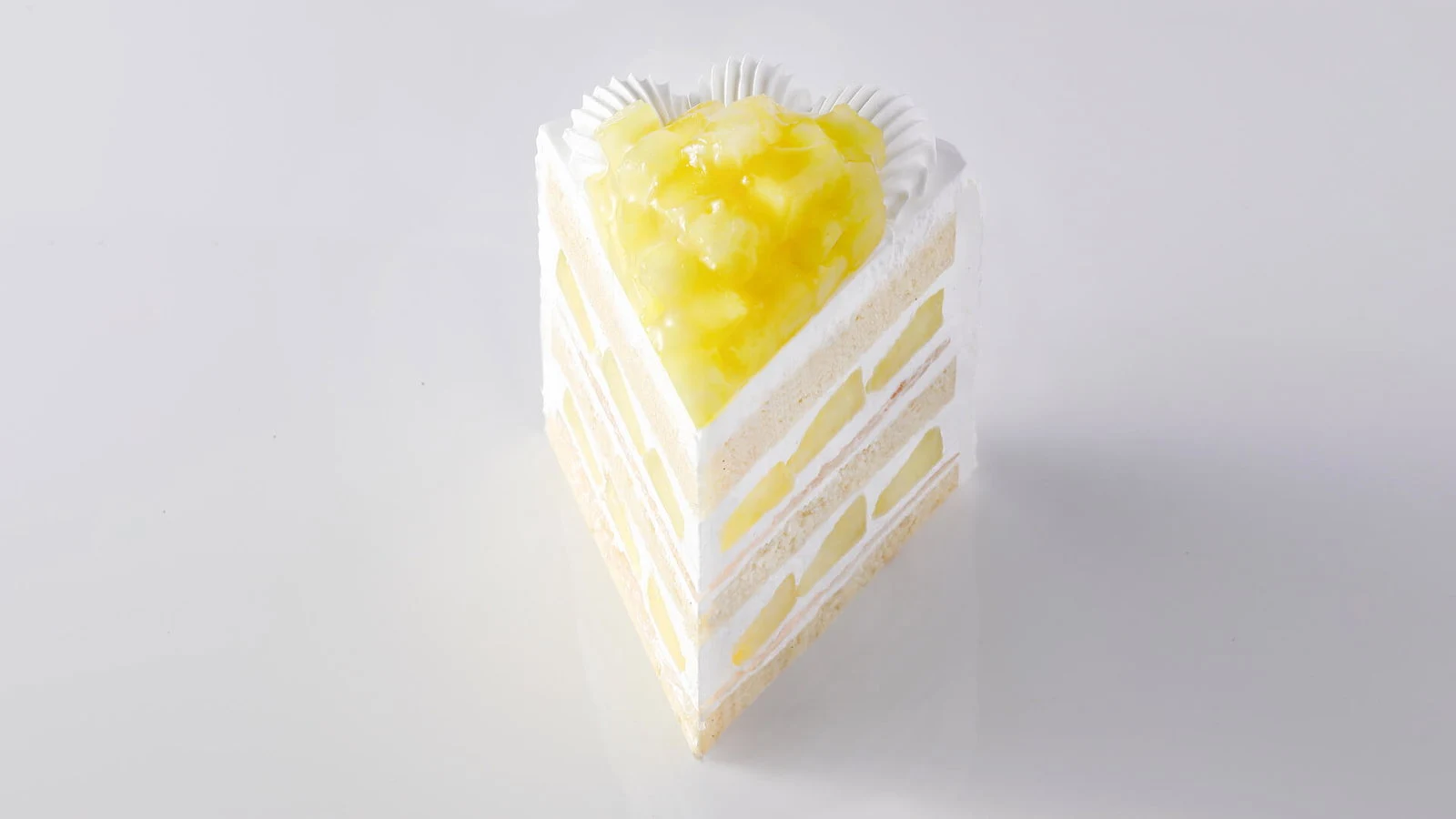
Start with the Super Melon Shortcake if melon is in the case. It is the cleanest expression of the house style: a fruit-led hotel shortcake made to look generous, precise and celebratory without needing a plated dessert room around it. If mango is the seasonal pull, take the Super Mango Shortcake, or the New Extra Super Mango Shortcake when the fuller version is available.
For something less fruit-forward, Tokyo Super Cheesecake is the better first order than a generic slice, because it belongs to the same named New Otani family as the larger cake programme. The breads are not filler either: croissants, Danish pastries, buns, baguettes and sandwich loaves come out of the same kitchen, and they are why some regulars leave without looking at the cakes at all. The case is arranged for exactly that kind of mixed basket.
Frequently asked questions
What should I order at Patisserie Satsuki?
Take a Super fruit shortcake if one is in the case: the Super Melon Shortcake when melon is in season, the Super Mango Shortcake when mango is. They are the house style at its clearest, generous and precise at once. Tokyo Super Cheesecake is the better order when you want something less fruit-forward.
What is the Edo SWEETS line?
Edo SWEETS is the counter’s Tokyo-accented range, bringing matcha shortcake, kuzumochi jelly, matcha castella shortcake, matcha pie, black beans and wasanbon into a case that otherwise runs on shortcakes, opera and Mont Blanc. It is the part of the display to look at if you want something that could not have come from anywhere else.
Compare nearby places
| Venue | Type | Area |
|---|---|---|
| The Peninsula Boutique & Cafe | Bakery | Marunouchi / Yurakucho |
| LE CAFE de Joel Robuchon Nihonbashi takashimaya ten | Bakery | Nihonbashi |
| patisserie Paris S'eveille | Bakery | Jiyugaoka |
| Boulangerie Tokyo | Bakery | Shiba Park |
| Patisserie Les Annees Folles Ebisu honten | Bakery | Ebisu |