Why go
Two queues, one loaf
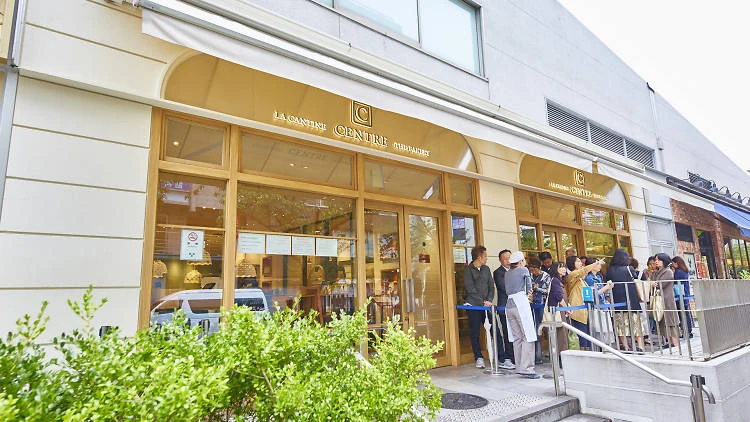
There are two ways into CENTRE THE BAKERY in Ginza and they answer different questions. One line is for the bakery counter, where locals buy shokupan by the loaf and leave. The other is for a seat, and it is the longer one, often dozens deep, because the seated side turns the bread into a meal.
Staff handle takeaway orders separately from the seating queue, so the two flows run side by side inside a single bread-focused operation. That division matters, because this is not a takeaway bakery that happens to have tables. The two sides are built for different visits, and the loaf is the only thing they share. Ginza is not where anyone expects to queue for bread, which is part of the appeal: a bakery holding its own among Tokyo's most polished department stores and counters.
You toast it yourself
The seated side hands over a decision most bakeries keep for themselves: a toaster, chosen from a curated selection, so slices are browned to your own preference rather than to a kitchen standard. It makes the table part of the bread service instead of the end of it.
The bread being toasted is shokupan, the soft square Japanese milk loaf, and the format flatters it. A thick slice crisped only on the outside is the clearest argument the style has, which is why a room in the middle of Ginza fills with people eating toast. The space is contemporary and consistently busy, with the smell of the bake carrying out into the line.
If toast is not enough
Sandwiches are the other route worth taking. The kuroge wagyu cutlet sandwich is the headline, beef cutlet pressed between slices of the same milk bread. A club sandwich runs fluffy, crisp bread around chicken thigh, egg and tomato with a garlic and tarragon tartare-style sauce, boxed and cut into three.
Order the toast if the point of the trip is the bread itself, and a sandwich if the point is lunch. Both come back to the same loaf. Opinionated About Dining placed the bakery at number 75 on its 2026 casual Japan list, which reads oddly for a bread shop until you have queued for the toast.
The bakery counter remains the quicker answer. Buy a loaf, skip the seating line entirely, and the visit becomes an errand rather than an afternoon.
Frequently asked questions
What should I order at CENTRE THE BAKERY?
Order the toast on the seated side, where shokupan is browned at the table in a toaster you choose yourself. If you want more than bread, the kuroge wagyu cutlet sandwich is the headline, and the club sandwich layers chicken thigh, egg and tomato with a garlic and tarragon tartare-style sauce.
What is the difference between the bakery side and the seated side?
The bakery counter sells shokupan by the loaf to take away, while the seated side serves it as toast you crisp at your own table. They run as separate queues, with staff handling takeaway orders apart from the seating line, so decide which visit you want before joining a line.
Compare nearby places
| Venue | Type | Area |
|---|---|---|
| Centre Bakery | Bakery | Ginza |
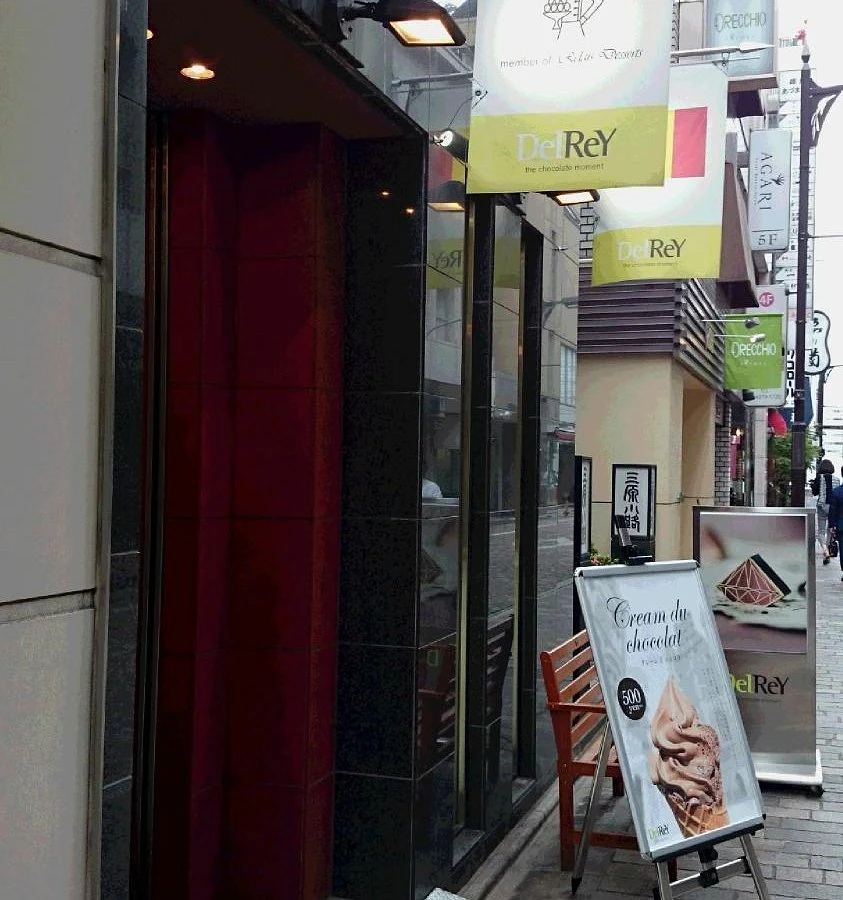
| Delrey | Bakery | Ginza |
| Rose Bakery Ginza | Café | Ginza |
| Glitch Coffee and Roasters GINZA | Café | Ginza |
| Juichibo Coffee Ten | Café | Ginza |