Why go
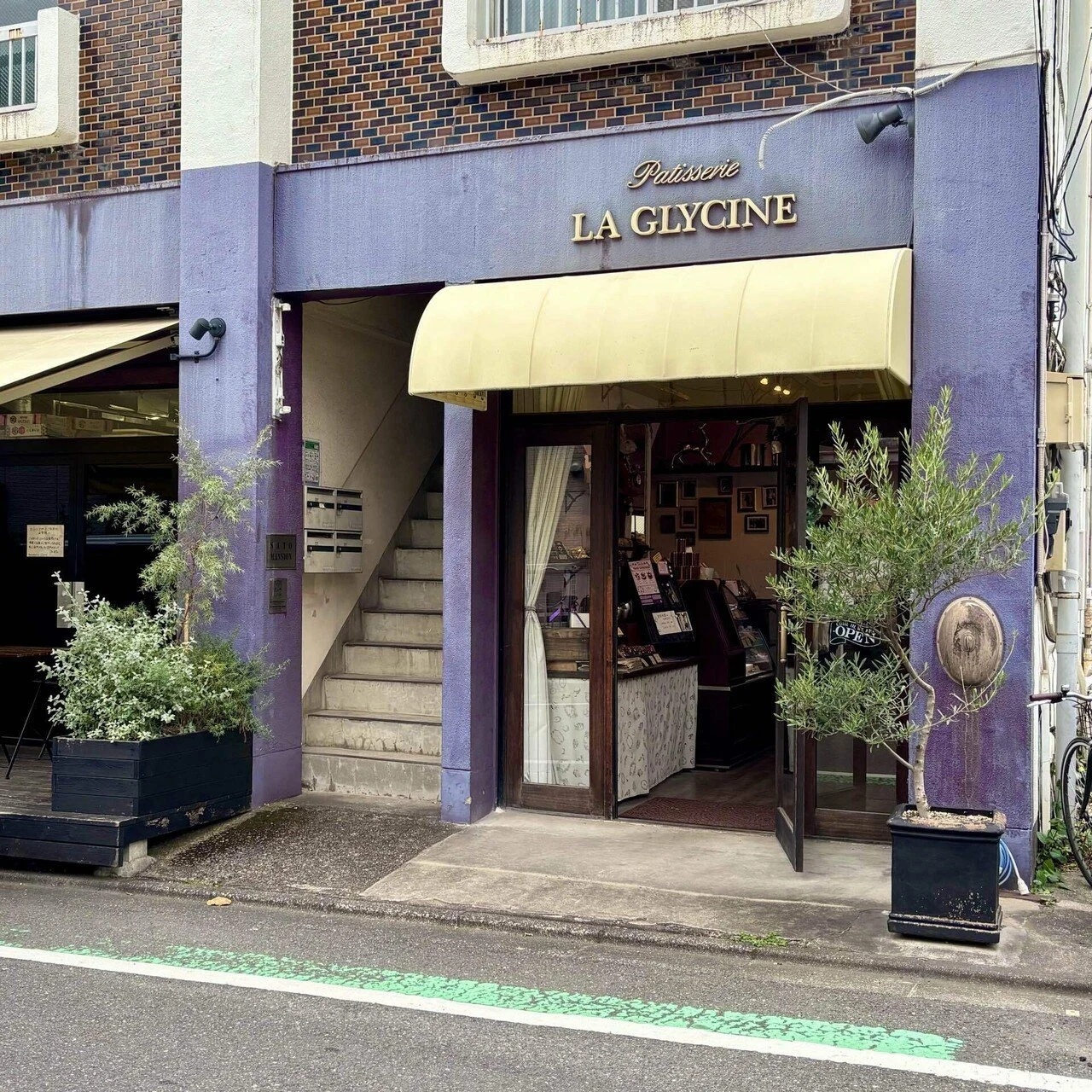
Macarons are the anchor at Patisserie la glycine, a western-style confectionery shop in the Aobadai part of Tokyo’s Meguro ward, and the counter carries eleven of them: vanilla, chocolate, citron, pistachio, strawberry, raspberry-chocolate, cassis, apricot, rum raisin, fromage, and caramel, with new varieties added as the kitchen develops them. The shop runs dessert-first, with cakes, choux, baked sweets, frozen summer items, and seasonal fruit pieces rather than a cafe menu.
Choux pastry and a case built on eggs and cream
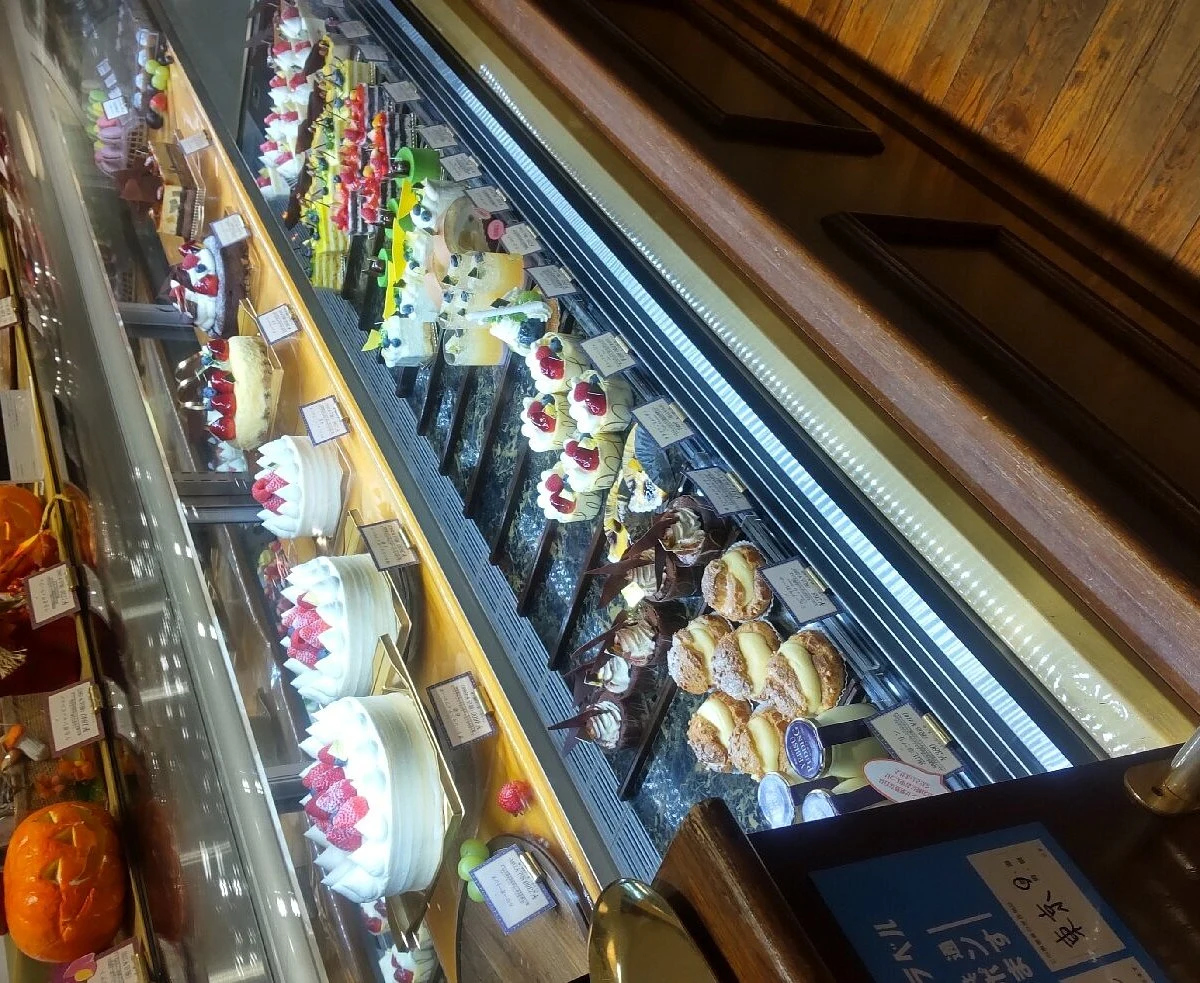
The cream puff is the clearest read on the kitchen: rich custard made with premium eggs from Gunma Prefecture, packed into a crunchy almond-studded choux shell. Puy d’Amour is the composed version, a choux filled with fresh orange and rum-scented custard, topped with light chiboust cream, then caramelized. Around them sit éclaire chocolat and milk caramel, shortcake, mont blanc, pudding, fromage, charlotte, Mistral, Henri, Noisettine, fraisier, Printemps Fraise, diamant cookies, and madeleines.
Ingredients repeat across the case in a way that explains the house style: Gunma eggs in the custards, the shortcake and the pudding, Hokkaido cream in the shortcake, French chestnut paste in the mont blanc, and Sicilian Bronte pistachios in the Mistral.
A small dessert room in Meguro
The format is patisserie rather than restaurant. Around ten seats sit beside the case, within walking distance of Ikejiri-Ohashi and Nakameguro, so a visit can be a single cake eaten in, a takeout box, or a gift selection. The owner-chef puts the aim plainly: sweets he can stand behind and that guests will want again.
Seasonality drives the lineup. Spring brings fraisier and Printemps Fraise, summer brings kakigori and a frozen confection called nyurunyuru sorbe. Meringue chantilly is made for the room only, which gives the small seating area a specific job. The same kitchen also supplies gift sets, cafes, restaurants, events, and corporate orders.
Order around the signatures
A macaron is the shortest route into the shop’s specialty work, especially citron, pistachio, cassis, rum raisin, fromage, or caramel. The cream puff shows the custard side with its almond crunch, and Puy d’Amour layers orange, rum, chiboust, and caramel into one pastry.
For classic cake, shortcake and mont blanc set the contrast: Japanese dairy and eggs on one side, French chestnut on the other. Mistral brings the pistachio. In warm weather, kakigori, nyurunyuru sorbe, or the in-store meringue chantilly shift the order toward cooling sweets. The logic across the case is French pastry technique worked with Japanese eggs and cream and selected European ingredients.
Frequently asked questions
What should I order at Patisserie la glycine?
Start with a macaron, the shop’s stated specialty, in a flavor such as citron, pistachio, cassis, or rum raisin. Then take the cream puff, whose custard is made with Gunma Prefecture eggs inside an almond-studded choux shell, or Puy d’Amour, a caramelized choux filled with fresh orange and rum-scented custard under chiboust cream.
What kind of pastry does Patisserie la glycine make?
French technique worked with Japanese ingredients. Gunma eggs run through the custards, the shortcake and the pudding, Hokkaido cream fills the shortcake, French chestnut paste goes into the mont blanc, and Sicilian Bronte pistachios into the Mistral. The case changes with the season, adding fraisier and Printemps Fraise in spring, kakigori in summer.
Compare nearby places
| Venue | Type | Area |
|---|---|---|
| patisserie de bon coeur Musashikoyama honten | Bakery | Musashikoyama |
| A Cote Patisserie | Bakery | Shirokanedai |
| Patisserie Salon de The Amitie | Bakery | Kagurazaka |
| Patisserie l’abricotier | Bakery | Koenji |
| French Gashi Patissier Chocolatier Inamura Shozo | Bakery | Yanaka |