Why go
A counter of limited French pastry in Shirokanedai
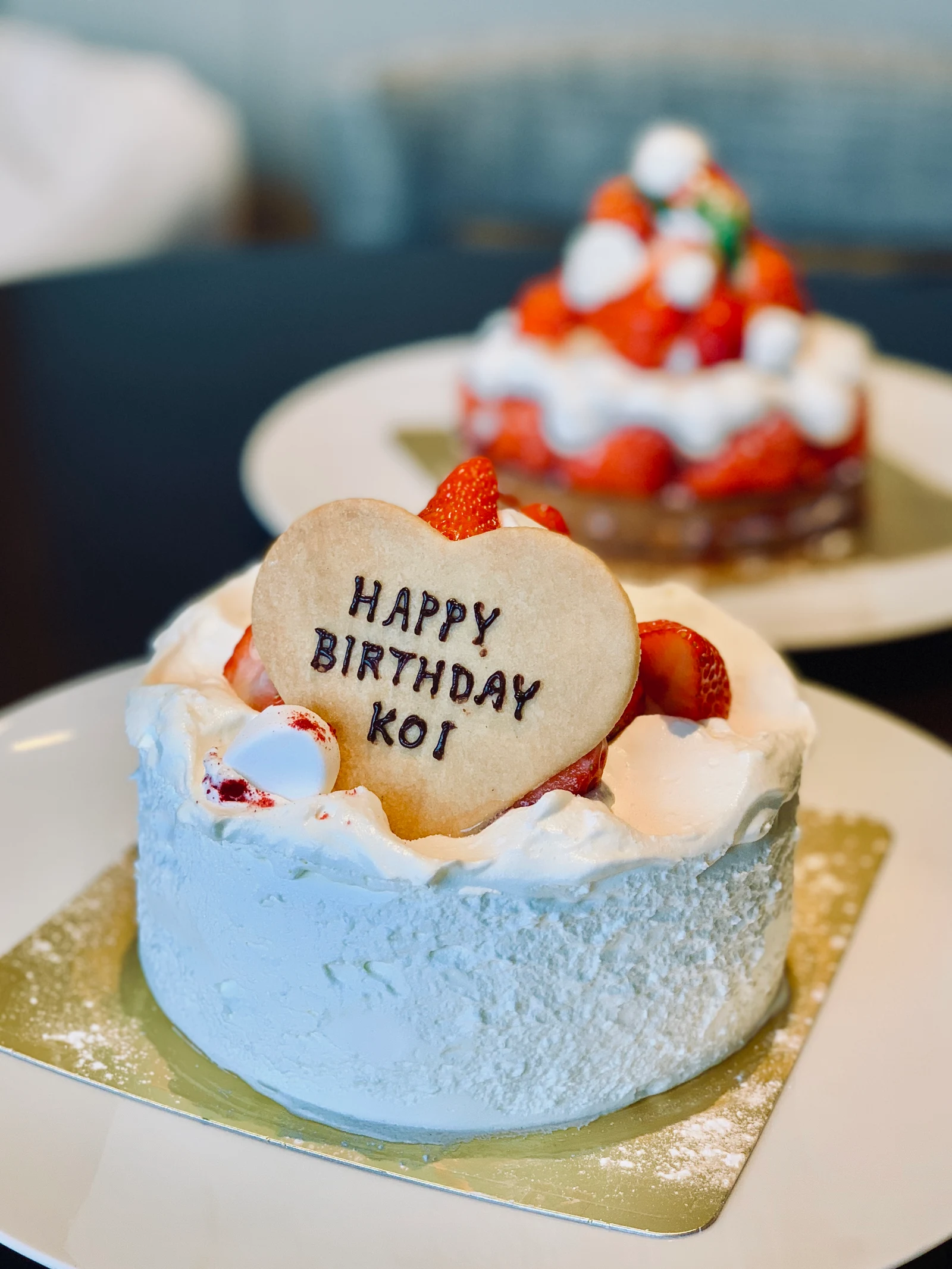
What appears at A Cote Patisserie changes, and that is the whole idea. The Shirokanedai shop in Minato City works in small runs: an almond praline millefeuille, a coffee dessert built from caramel, chocolate and jelly, a passion fruit tart, an orange chocolate cookie. Each arrives in limited quantity and sells through, so the case is a snapshot of the week rather than a fixed range. The work is composed French patisserie and stays there, without a bread side to the shop.
Take away rather than sit down
The room is small and the format is retail. Orders are taken at the counter, walk-in only, and the shop asks guests to bring a cooler bag and an eco-bag because the desserts are fresh, fragile and meant to travel. That single instruction tells you more about a visit than any label: choose carefully, carry carefully, eat at home. The interior is elegant and warm, comfortable and stylish in a quiet way, but the compact specialist format is the stronger signal about what the shop is for. Ingredients are chosen with the same care the desserts are built with, which is the other reason the runs stay short.
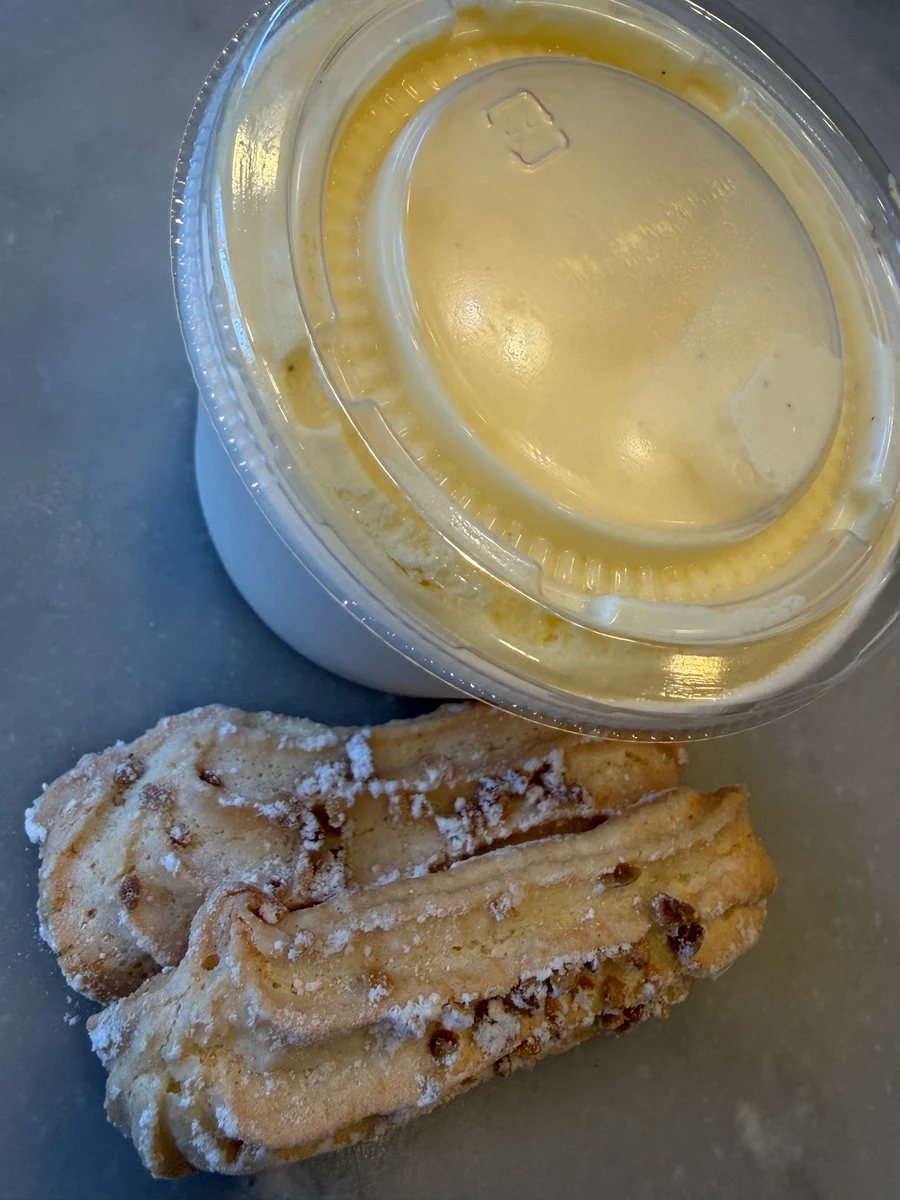
Because production is deliberately short, the smaller baked goods come and go too. Madeleines, caneles, macarons, financiers and individually wrapped cakes rotate through rather than sit on the shelf every day, so the right expectation is a counter that changes week to week.
Start with the millefeuille, then follow the day
The almond praline millefeuille is the first order when it is there. It is the most specific thing the shop makes and it shows the layering and precision the kitchen is built around. The coffee dessert is the darker, deeper alternative, with caramel, chocolate and jelly set against the coffee, and the passion fruit tart takes the opposite line, sharp and fruit-led. The orange chocolate cookie is the small thing to add to a box on the way out.
After that, ask what came out today. A shop working in limited runs rewards guests who buy what is in front of them rather than arriving with a list, and the named desserts sketch the range well enough to make that a low-risk way to approach the counter.
Frequently asked questions
What should I order at A Cote Patisserie?
The almond praline millefeuille when it is available, since it shows the layering the kitchen is built around. The coffee dessert, made with caramel, chocolate and jelly, is the deeper alternative, and the passion fruit tart is the sharp, fruit-led one. Everything is made in limited quantity, so ask what came out that day.
What is the pastry programme like at A Cote Patisserie?
Short runs of composed French desserts rather than a standing range. Named items have included an almond praline millefeuille, a coffee dessert with caramel, chocolate and jelly, a passion fruit tart and an orange chocolate cookie. Smaller bakes such as madeleines, caneles, macarons and financiers rotate through the case, so the selection changes week to week.
Compare nearby places
| Venue | Type | Area |
|---|---|---|
| patisserie de bon coeur Musashikoyama honten | Bakery | Musashikoyama |
| Patisserie la glycine | Bakery | Aobadai, Meguro |
| Patisserie Salon de The Amitie | Bakery | Kagurazaka |
| Patisserie l’abricotier | Bakery | Koenji |
| BOULANGERIE SEIJI ASAKURA | Bakery | Takanawa |