Why go
Drip is the house subject at the Nakameguro main store of CAFÉ FACON, which teaches it as readily as it serves it.
A coffee-first café with sweets beside it
The Nakameguro honten is the flagship of a wider specialty coffee company centred on Nakameguro and Daikanyama, and it reads as a coffee-first café rather than a chef-led kitchen. Its role differs from the Daikanyama roaster atelier, which handles roasting, training and workshop work; the main store is the public counter.
The stated aim is plain: use coffee and café culture to make daily life richer. That makes this a repeat-visit address rather than an occasion one, and the sweets are built to match, with Basque cheesecake and chiffon cake the two most recognisable things in the case.
The main store, and everything behind it
Treat the visit as part of a café day rather than a meal. The company runs on specialty coffee, repeat custom and café culture, with the Nakameguro honten carrying the public identity while the rest of the business sits behind it: roasting and workshops in Daikanyama, another location in Aobadai, and BASE Tokyo as a further public expression.
The workshop side is the clearest planning clue. The house drip seminar teaches people how to make good drip coffee at home and is pitched at beginners, so the tone across the counter is educational and open rather than reserved for specialists.
Order the au lait glacé, then cake
Keep the order anchored in coffee. The roaster atelier, the wholesale bean side and the drip seminar all point to a programme built on bean selection and brewing, and filter matters enough here to be taught as a standalone class. The au lait glacé is the drink to start with, iced and layered, and the most recognisable order in the room.
For sweets, stay in café territory: Basque cheesecake if you want the denser, caramelised choice, chiffon cake if the coffee is doing the heavy work. A first visit is best understood as coffee with something sweet beside it, then followed deeper through beans, workshops and the roaster atelier. Beans from Daikanyama are sold over the counter as well as to other cafés, so a bag is the natural thing to leave with once a cup has landed, and the seminar is the next step for anyone who wants the method rather than the cup.
Tags
Frequently asked questions
What should you order at CAFÉ FAÇON Nakameguro honten?
The au lait glacé is the signature, iced and layered, and the clearest read on the house style. Filter is the other route, since drip is the coffee this company teaches. For something sweet, the Basque cheesecake is the denser choice and the chiffon cake the lighter one.
Does CAFÉ FACON run coffee classes?
Yes. The company runs a drip coffee seminar for people who want to brew better at home, pitched at beginners rather than specialists. Roasting and training sit at the Daikanyama roaster atelier, while the Nakameguro main store stays the public café counter.
Compare nearby places
| Venue | Type | Area |
|---|---|---|
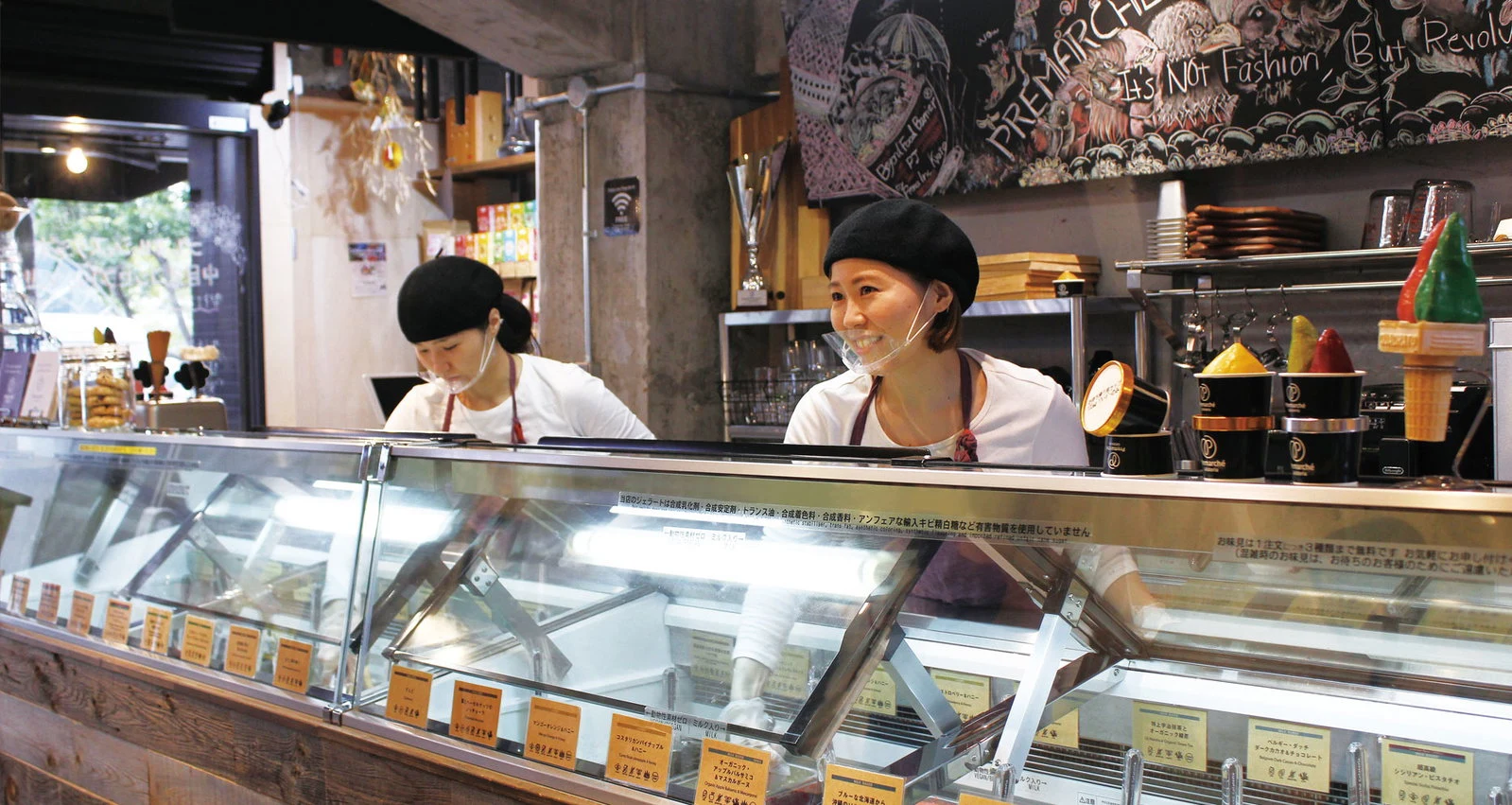
| Premarché Gelateria Toukyou nakameguro ekimae ten | Café | Nakameguro |
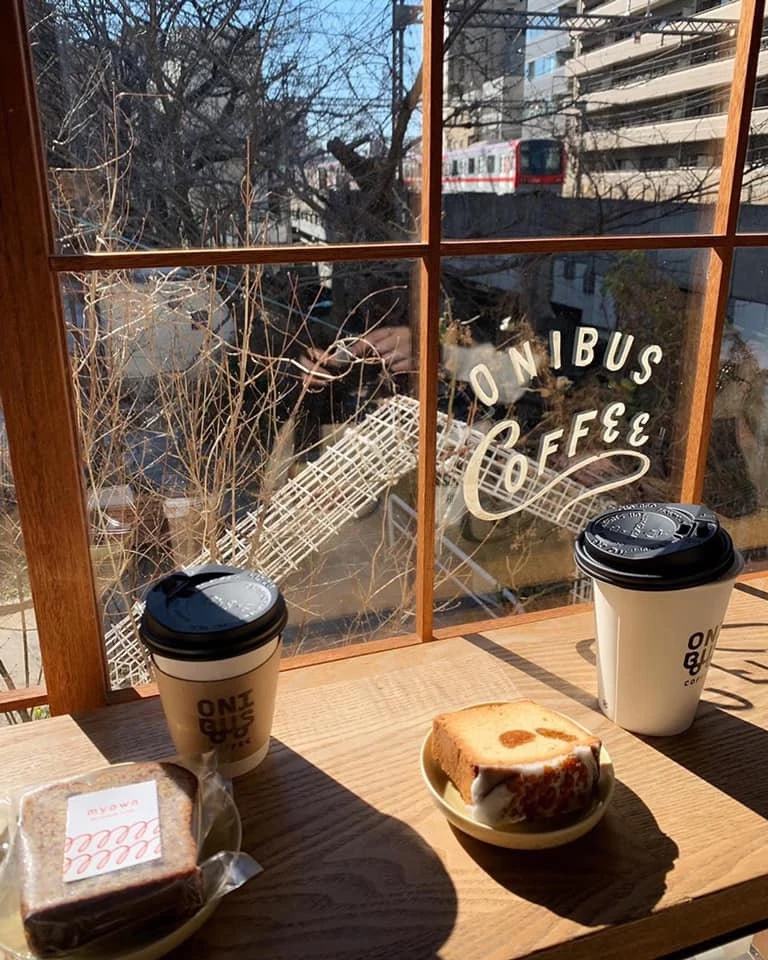
| Onibus Coffee | Café | Nakameguro |
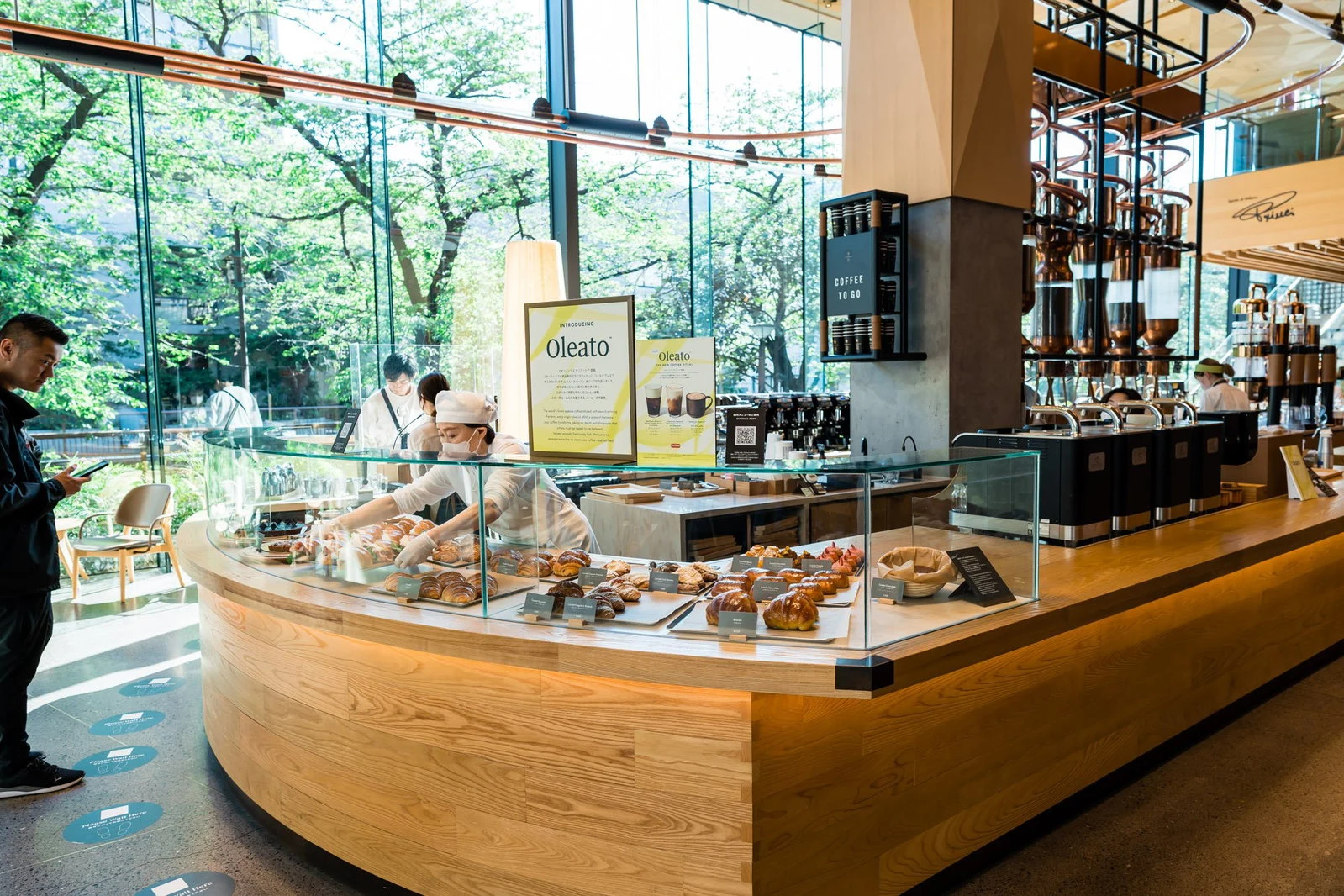
| STARBUCKS RESERVE ROASTERY TOKYO | Café | Nakameguro |
| Patisserie Cacao et Paris | Bakery | Nakameguro |
| Juichibo Coffee Ten | Café | Ginza |