Kichijoji

COFFEE HALL Kugutsusou

CafeCoffee Bar4.0 on GoogleAbout $15 a head
COFFEE HALL Kugutsusou

Why go

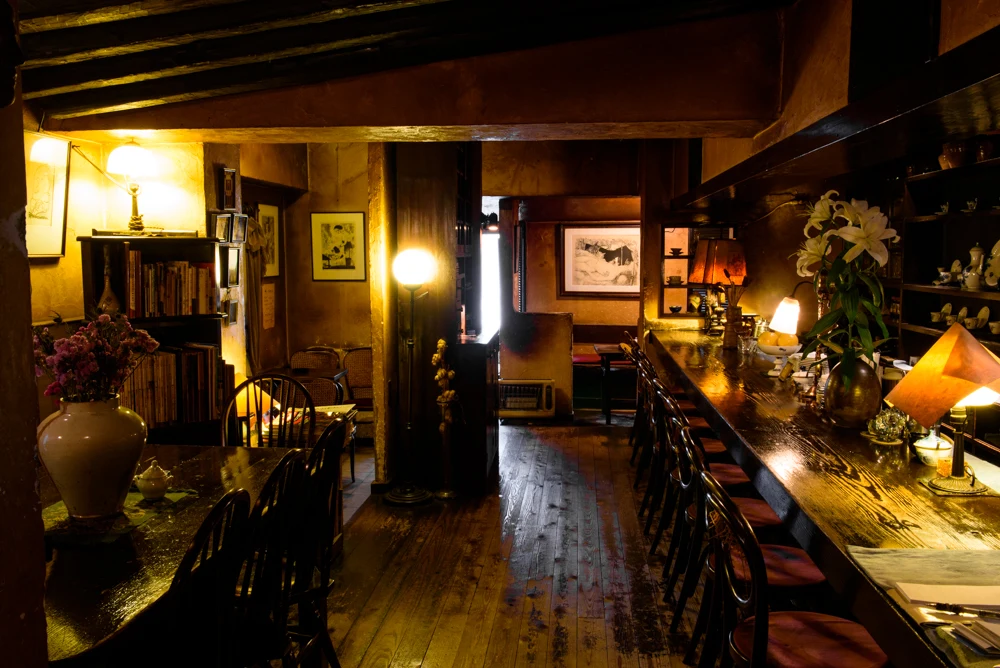
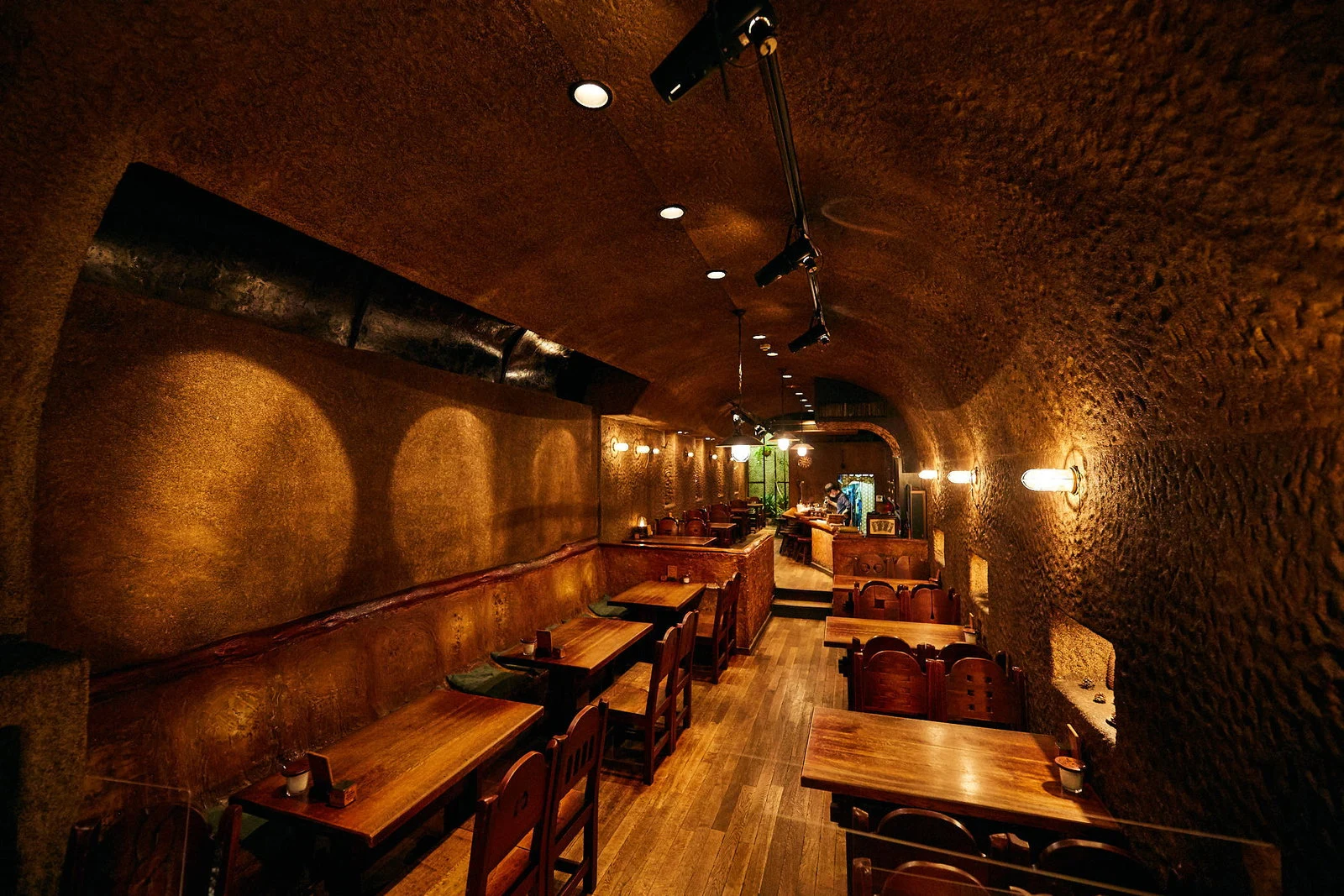
Descending into a basement coffee hall in Kichijoji changes the tempo before the menu does. Tokyo’s kissaten culture has always worked against the speed of the station café: darker rooms, longer conversations, coffee treated as a reason to sit, and food that belongs to the old café canon rather than the brunch economy. COFFEE HALL Kugutsusou sits inside that lineage, with curry listed alongside kissa coffee-shop service, a pairing that says more about postwar Japanese café habits than any imported specialty-coffee script.

Kichijoji is useful context. The neighbourhood has enough commuter flow to support quick eating, enough student and creative traffic to reward character, and enough older local memory to keep traditional formats alive. In central Tokyo, many kissaten have been flattened into nostalgia pieces or rebuilt as design cafés. Around Kichijoji, the form can still operate as everyday infrastructure: coffee in the late morning, curry at lunch, a seat for friends in the afternoon, and a room that does not need to explain itself through novelty.

Kissa curry, coffee, and the ingredient logic of a Tokyo café meal

The food story here is not haute sourcing in the farm-name sense. It is the quieter ingredient logic of the Japanese coffee shop: a compact kitchen, repeatable staples, and dishes that depend on consistency rather than constant revision. Curry matters because kissaten curry is a category of its own, separate from Indian restaurants, hotel curry, and counter-service chains. It usually privileges sauce depth, rice structure, and a plate that can sit naturally beside coffee. Kugutsusou’s categorisation as both kissa and curry places it in that older café-meal tradition.

That distinction is useful for travellers who have already mapped Tokyo through sushi counters, ramen queues, and tasting menus. A kissaten meal reads the city from another angle. It shows how coffee culture absorbed Western forms, then localised them through rice dishes, morning sets, smoking rules, counter seats, and neighbourhood rhythm. The point is not rarity. The point is continuity, and that continuity is increasingly hard to find in districts where cafés are redesigned every lease cycle.

The Tabelog Kissaten 100 selections in 2021 and 2022 are the clearest external signal. Tabelog’s Hyakumeiten lists are category-specific, and the kissaten list rewards places with sustained recognition inside a field that is often under-covered by international dining media. A 3.72 Tabelog score gives further context: in Japan’s user-review culture, scores above the mid-threes can indicate serious local approval, especially in categories with long-running regulars and conservative scoring patterns.

Why Kichijoji gives the format room to breathe

Kichijoji’s dining map is broad enough to make comparison useful. Sweet shops such as Ozasa and Amane sit in a lower spend band, while Sabo Musashino Bunko occupies a similar café-curry price tier. Hikiniku to Kome Kichijouji works another kind of queue-driven casual meal, and Chinese Sai Yunron moves into a higher dinner bracket while remaining accessible at lunch. Against that spread, a kissa such as COFFEE HALL Kugutsusou is not competing on speed or spectacle. It competes on whether the room, coffee, and café food can justify lingering in a district with many easy alternatives.

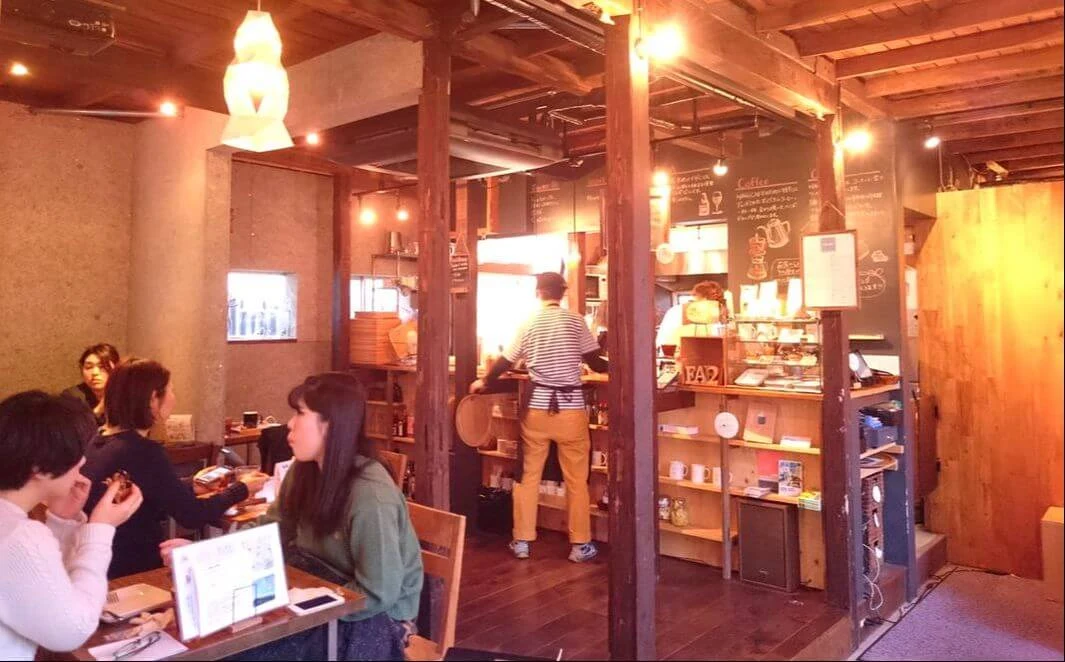
The 54-seat scale also matters. Many Tokyo coffee rooms are either tiny counters or chain formats with little personality. A mid-sized kissaten gives the old model more social range: solo coffee, pairs over curry, small groups, and repeat local use. That scale supports the café as a civic interior, not merely a caffeine stop. The listing notes counter seating as well, which keeps the format flexible for solo diners, a key part of Tokyo’s everyday restaurant culture.

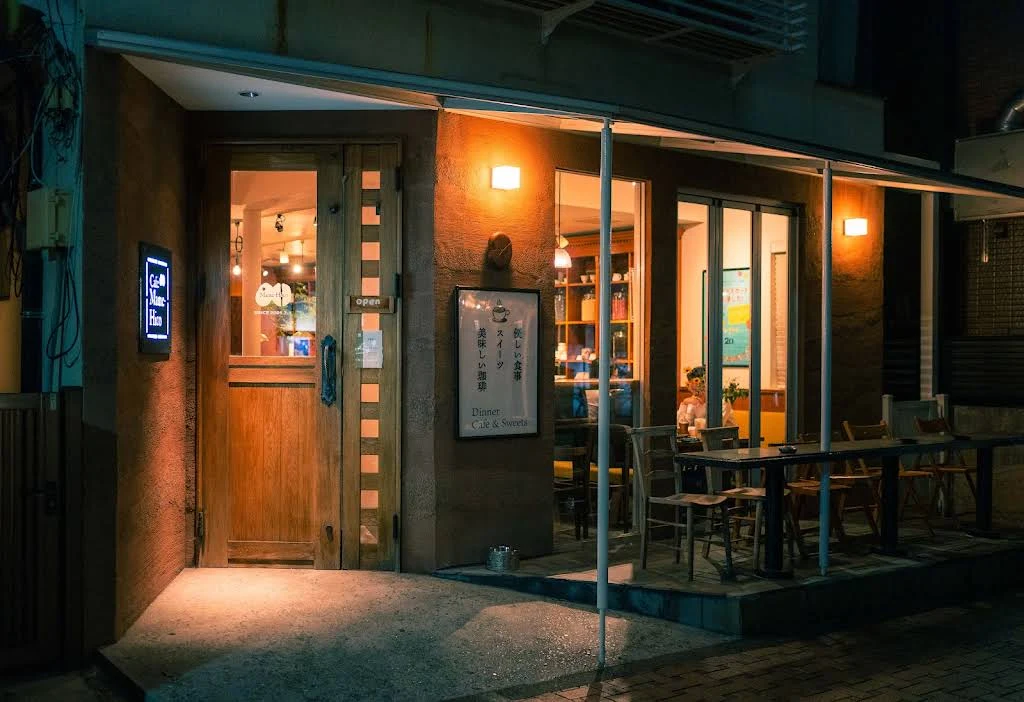
The basement location sharpens the sense of withdrawal from the street without turning the place into a performance. Tokyo has a long history of below-grade dining rooms, jazz cafés, bars, curry shops, and kissaten that use the descent as a practical urban solution: less frontage, more enclosure, fewer distractions. Here that urban condition aligns with the category. A coffee hall below street level makes sense because the kissaten has always offered a pause from the city rather than a view of it.

How to place it in a Tokyo itinerary

This is a strong Kichijoji stop for travellers interested in Japanese café history, not only restaurant collecting. It pairs naturally with a day built around Inokashira Park, vintage shopping, small galleries, or the neighbourhood’s independent food circuit. For a broader read on the city’s dining range, use Our full Tokyo restaurants guide; for category-hopping beyond lunch and coffee, the companion guides to Tokyo hotels, Tokyo bars, Tokyo wineries, and Tokyo experiences help frame the rest of the trip.

Nearby and citywide comparison can also be useful when deciding what kind of casual Tokyo meal is needed. Curry specialists such as 3 Chome no Curry Ya San and [Curry Senmon Ten] Maruyama Kyoju. in Sapporo show how the genre changes by format and region, while cafés such as 2D Cafe and.cafe in Osaka represent newer visual café culture. For other Japanese dining threads, compare yakitori at 124. KAGURAZAKA (Yakitori), grilled seafood at. 鮪と炭火焼き うお炭 秋葉原店, Shinjuku dining at 12/10 Shinjuku ten, and beef sukiyaki at -Grilled beef Sukiyaki- KAMAKURA TANUKIAN 鎌倉 たぬき庵 in Kamakura. Wider context comes from.know in Kumamoto, (Shoku) Vietnam in Kawasaki, [ki:] in Kyoto, Jōdo Saké Bar in Los Angeles, and Onigiri Time in Pasadena.

The editorial case is simple: Tokyo’s serious food culture is not confined to expensive counters. A recognised kissaten with curry, coffee, and neighbourhood staying power can teach as much about the city’s appetite as a reservation-only dining room. COFFEE HALL Kugutsusou is valuable because it preserves that older café grammar in a district where it still has a living audience.

Tags

CozyClassicHidden GemRomanticWhimsicalBohemianSoloCasual HangoutDate NightAfter WorkHistoric BuildingDesign DestinationStandalone