Why go
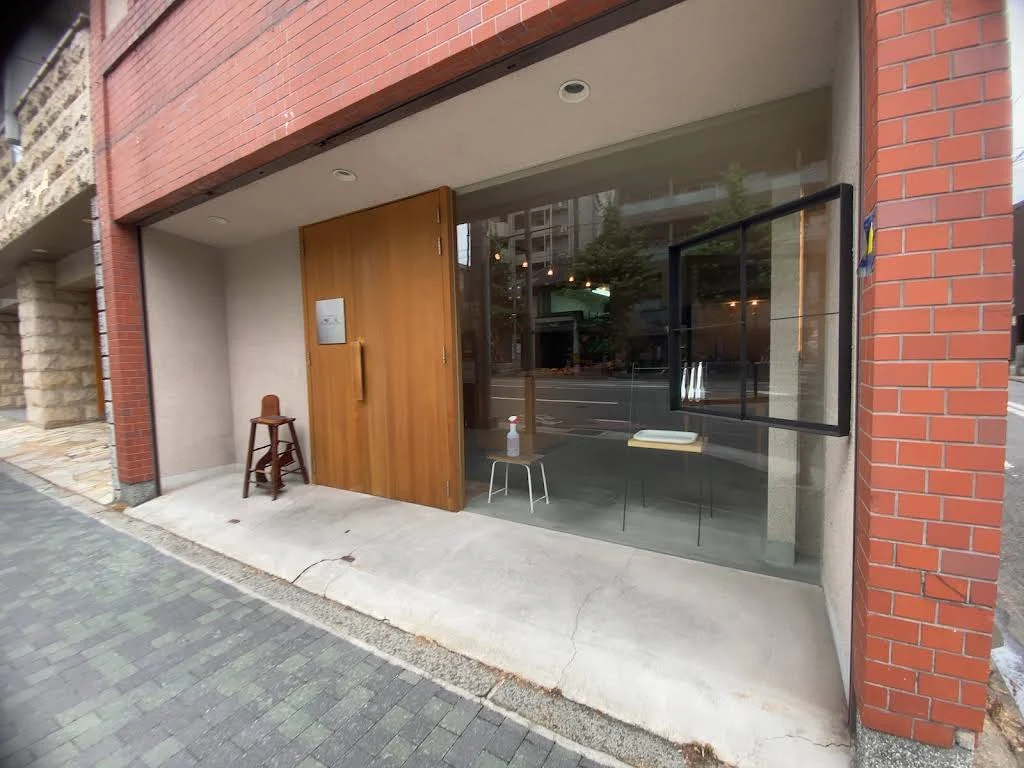
A Kyoto bakery visit starts at street level: a compact shopfront, a short decision window, and the quiet pressure of choosing well before the next customer steps forward. In a city where dining prestige often gathers around counter sushi, kaiseki rooms, and temple-side sweets, the bakery counter occupies a different register. It is faster, cheaper, and less ceremonial, but the standards are not casual. The better addresses survive on repeat neighbourhood use, commuter timing, and a product range narrow enough to show discipline.
Shirohato Bakery fits that Kyoto pattern rather than the destination-restaurant template. The relevant comparison is not a long tasting menu or chef’s counter; it is the city’s network of specialist shops where format does much of the editorial work. Bread, bagels, and sandwiches make the offer legible to travellers, while the take-away structure keeps the experience closer to daily urban rhythm than staged hospitality. Its selection for Tabelog Bread WEST “Tabelog 100” in 2020 and 2022 gives the shop a clear credential inside western Japan’s bakery category, a useful filter in a city with more acclaimed dining genres competing for attention.
Kyoto's small-format bakery tier, judged by speed and consistency
Kyoto’s food hierarchy can look formal from the outside: historic soba houses such as Honke Owariya, yakitori counters such as Torisaki, and higher-spend Japanese rooms such as Ryo Kawashima draw much of the itinerary planning. Bakeries operate on a separate logic. They are judged by morning and midday reliability, by how quickly the case turns over, and by whether a shop can justify a detour without asking the visitor to surrender half a day. In that sense, the bakery tier is one of Kyoto’s clearer tests of local utility.
The price signal matters. A bakery operating in the sub-¥1,000 range sits in a different decision category from Kyoto’s reservation-led restaurants: it can be added between museums, stations, and shopping streets without reshaping the day. Flip up! belongs to the same low-price bakery conversation, while places such as Korean Shokudo Iru Goshominami occupy a much higher meal-spend bracket. That spread is the point: Kyoto’s dining map is not a ladder from cheap to grand, but a set of formats with different jobs. A bakery stop answers a need that a multi-course dinner cannot.
For broader city planning, place this kind of address beside the restaurant circuit rather than beneath it. The useful Kyoto day often combines one serious reservation with smaller specialist stops, a pattern that also explains why readers cross-reference Our full Kyoto restaurants guide, Our full Kyoto hotels guide, Our full Kyoto bars guide, Our full Kyoto wineries guide, and Our full Kyoto experiences guide before fixing the day’s route.
A take-away counter where the team matters more than theatre
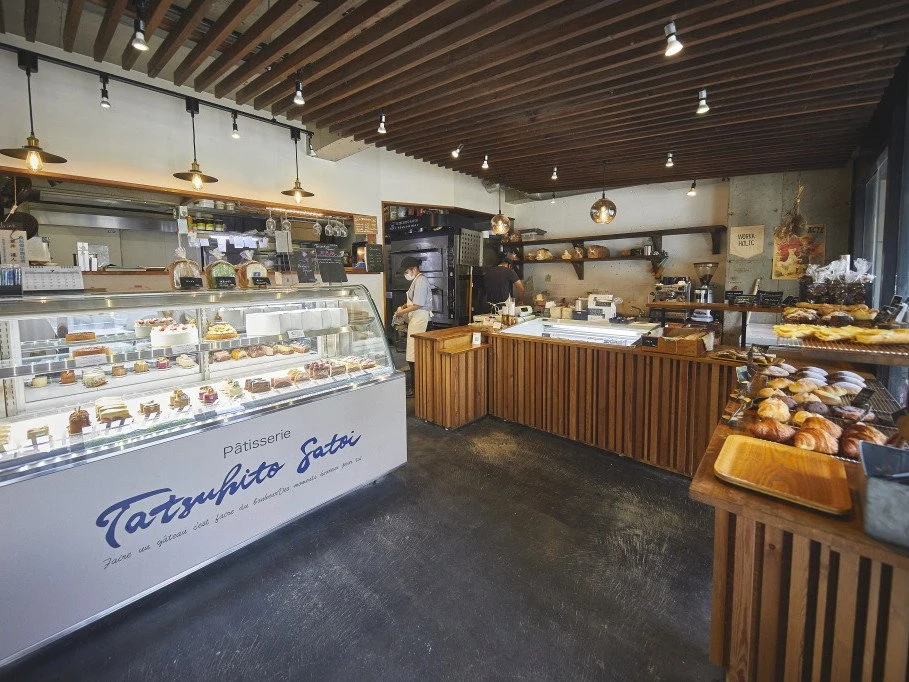
The assigned romance of bakery culture usually goes to the baker, but the more practical story is teamwork. In a take-away bakery, the front counter is not decoration; it is the hinge between production pace and customer flow. The kitchen has to bake to demand, the counter has to keep the line moving, and the display has to communicate choice without a server turning the exchange into a lecture. That collaboration is less visible than a sommelier pouring at a dining room table, yet it shapes the experience just as directly.
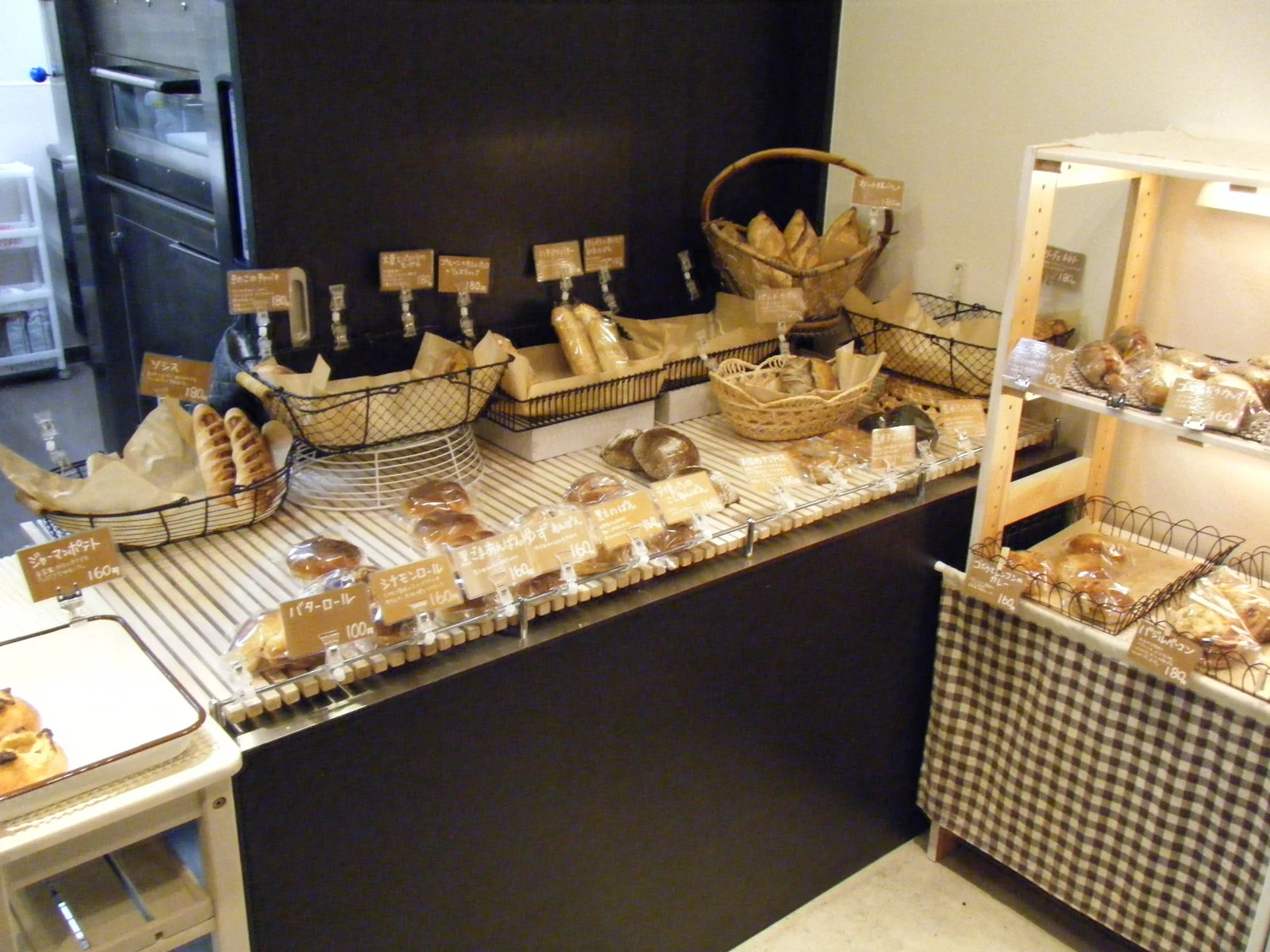
Shirohato Bakery does not need a personality-driven chef narrative to make sense. Its credibility comes from category placement, repetition, and a format that exposes weak operations quickly. With no eat-in space, the product has to carry the visit beyond the threshold. Bread, bagels, and sandwiches also place it in a useful cross-cultural lane: familiar enough for travellers to read without translation, specific enough that execution determines whether the stop feels local rather than generic.
That distinction matters in Kyoto, where food tourism can lean too heavily on heritage cues. Not every worthwhile stop needs a centuries-old room or a set menu. Some of the city’s sharper eating happens through small shops that compress craft into ten minutes. For visitors building a day around Karasuma Oike, the bakery format is efficient: choose, pay, leave, and fold the purchase into a walk rather than another seated appointment.
How to fold it into a Kyoto eating day
The smartest use is as a precision stop, not a substitute for a full meal plan. Pair it with nearby restaurant research and treat it as a bakery checkpoint within a larger route. For adjacent Kyoto options, compare the casual-specialist logic with 3TOKU6MI Shijo karasuma ten, 551蓬莱, [ki:], Abbesses, and Aburi Mochi Honke Nemoto Kazariya. The common thread is not cuisine but scale: each can change the texture of a day without demanding the commitment of a formal dinner.
Travellers continuing through Japan can also read the bakery stop against other compact, single-purpose venues: -Grilled beef Sukiyaki- KAMAKURA TANUKIAN 鎌倉 たぬき庵 in Kamakura,. 鮪と炭火焼き うお炭 秋葉原店 in Tokyo,.cafe in Osaka,.know in Kumamoto, (Shoku) Vietnam in Kawasaki, and [Curry Senmon Ten] Maruyama Kyoju. in Sapporo. Across the Pacific, Jōdo Saké Bar in Los Angeles and Onigiri Time in Pasadena show the same broader lesson: narrow formats often travel better than sprawling menus because the promise is easier to understand.
The editorial case for Shirohato Bakery is therefore restrained but solid. It is a category-recognised Kyoto bakery with a low spend threshold, take-away discipline, and a product range that suits travellers who want a serious food stop without another reservation-heavy block. In a city where prestige can feel scripted, that kind of everyday precision has its own authority.