Why go
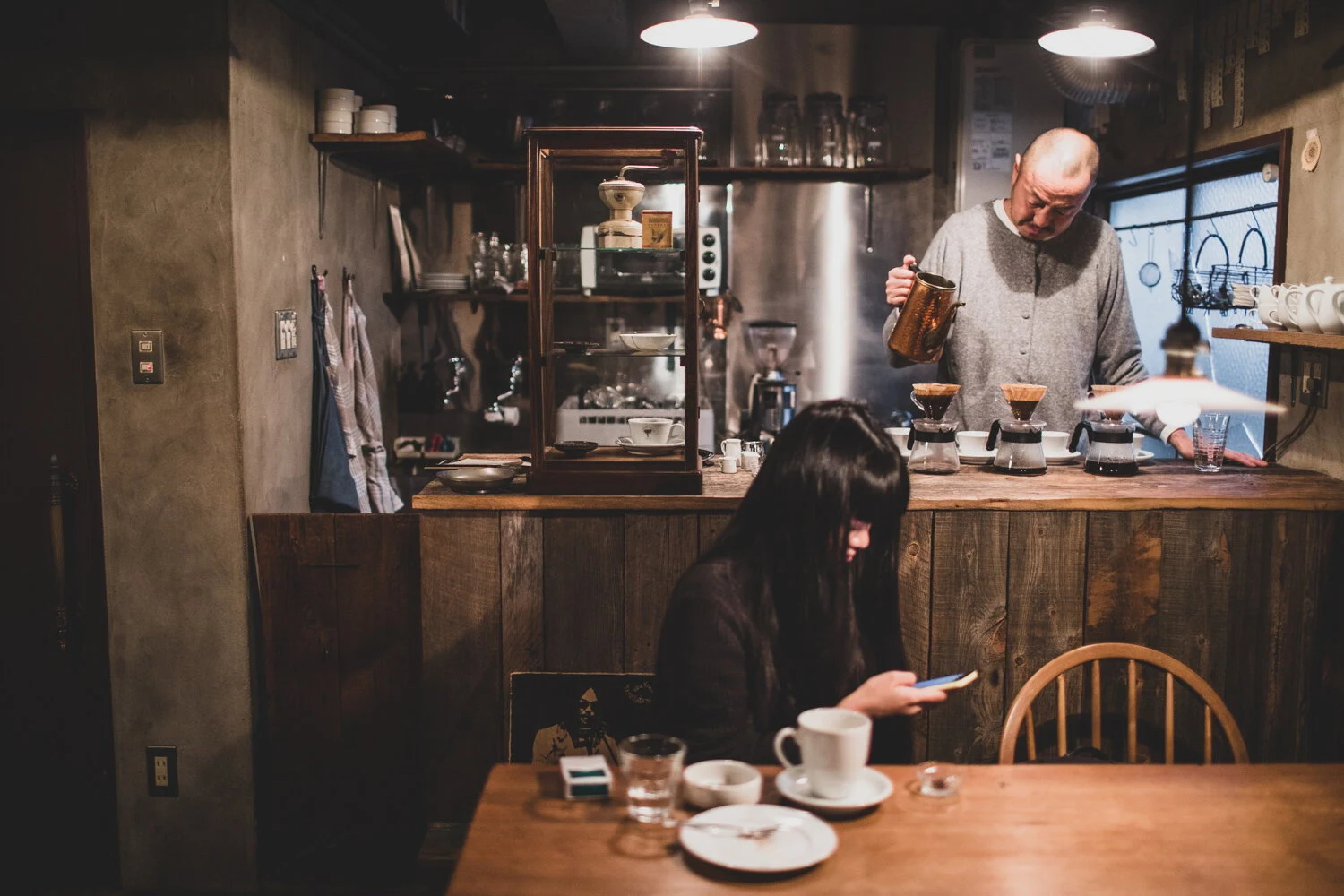
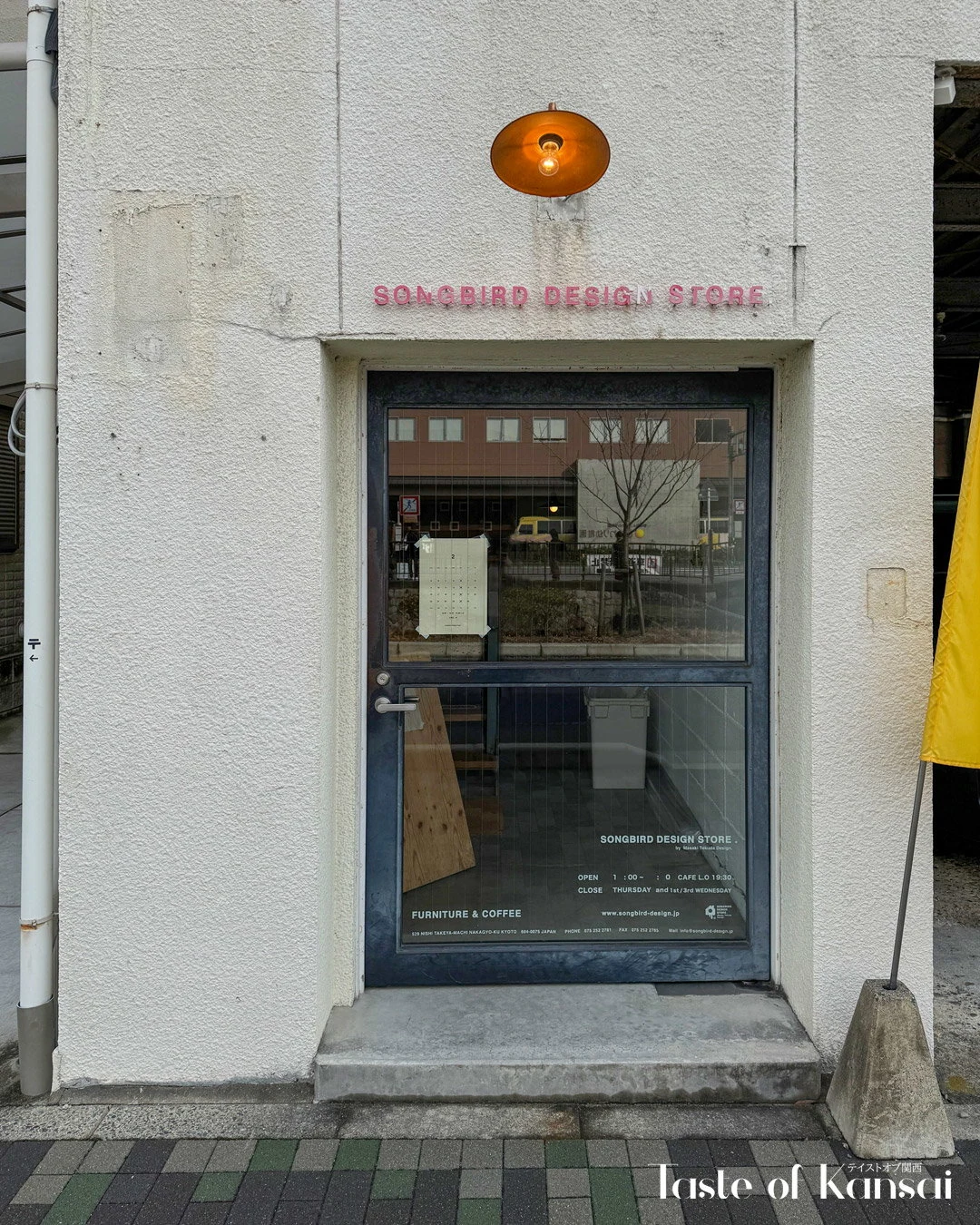
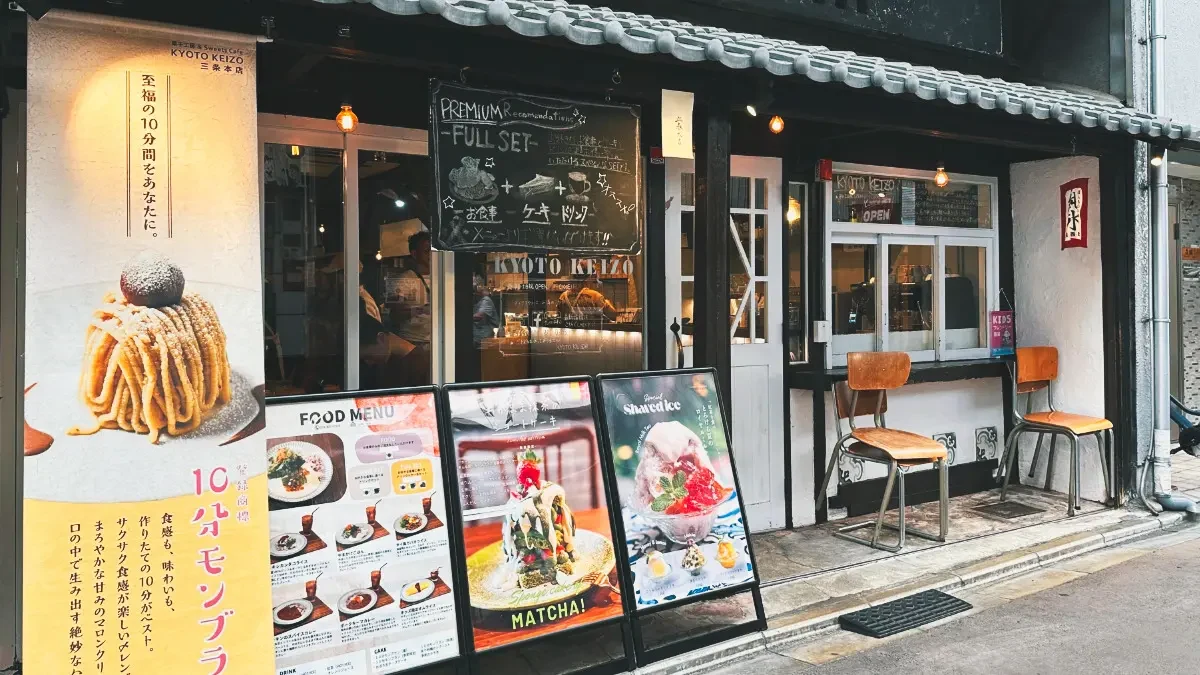
Kyoto’s dessert culture often announces itself softly: a narrow street, a low sign, a room scaled for pairs rather than groups. Around Kyoto Shiyakusho Mae, the mood shifts away from the crush of Nishiki Market and the souvenir-sweet counters near major temples. The better cake cafes in this part of Nakagyo-ku work by restraint, asking whether a short break can carry the precision Kyoto applies to kaiseki, tea, wagashi and coffee.
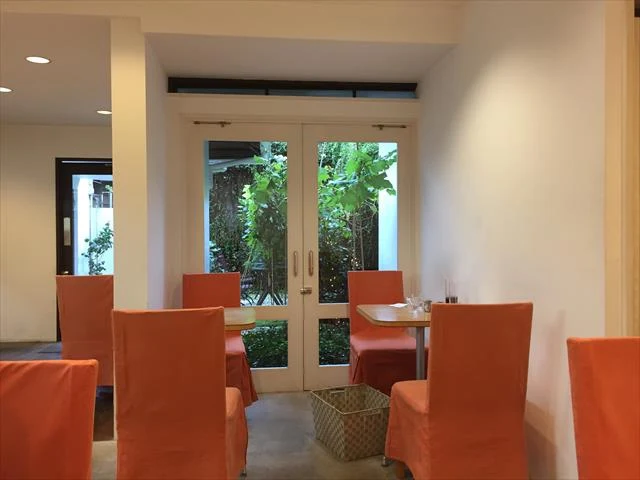
Salon de the m.s.h fits that register. The category is cake and cafe, a useful distinction in a city where sweets range from centuries-old mochi shops to French-influenced patisserie counters. Its selection for Tabelog Sweets WEST 100 in 2023 gives it a clear external signal in a crowded field, while the compact room feels closer to a small salon than a high-volume cafe. The point is not rarity, but the way Kyoto rewards places that make a narrow promise and keep it.
A small Kyoto cake salon in a city that takes sweets seriously
Kyoto’s sweet traditions split several ways. Wagashi remains bound to tea ceremony, season and form; tourist sweets lean portable; modern cake shops borrow from French technique but adapt to Japanese pacing and portioning. In that third lane, expectations differ from a Western hotel lounge: the visit is shorter, ordering more focused, and the room often matters as much as the display case because seats are few.
That is where Salon de the m.s.h is easiest to understand. It is not competing with formal French dining rooms such as MOTOÏ or the high-spend Japanese orbit around Oryori Maeshiro. It belongs to another Kyoto habit: a precise afternoon stop, usually planned around neighbourhood movement rather than a full evening. Compared with a casual steamed-bun or takeaway stop such as 551蓬莱, the appeal is slower and more deliberate. Compared with temple-linked sweets like Aburi Mochi Honke Nemoto Kazariya, it reads as urban and patisserie-led rather than ritual and old-shop specific.
The 2023 Sweets WEST 100 recognition matters because Tabelog’s Hyakumeiten lists tend to reward depth within a category, not general popularity alone. For a cake cafe, that places the address inside a regional conversation about craft, consistency and demand. It does not make the room formal. It does suggest dessert-focused travellers should treat it as more than a convenient cafe between temples.
The booking logic: small room, focused visit, little margin for drifting in late
Kyoto rewards planning in ways that are easy to underestimate. A small cafe can be harder to fold into a day than a large restaurant because there is less slack in the room, and dessert hours collide with the same mid-afternoon window used by shoppers, museum visitors and hotel check-ins. Salon de the m.s.h has 16 seats, so treat it as a fixed stop rather than a casual fallback. Reservations are available, the practical detail separating an intentional visit from a speculative detour.
The price bracket also shapes the experience. At JPY 1,000 to JPY 1,999, this is a low-commitment spend by Kyoto dining standards, closer to a serious coffee-and-cake pause than a destination tasting menu. That combination, recognised sweets list plus modest tariff, is exactly why small rooms can fill at inconvenient times. Travellers who plan only Michelin-scale dinners and leave daytime sweets to chance miss how much of Kyoto’s food culture happens between lunch and aperitif.
There is another Kyoto-specific issue: pacing. The city’s premium dining scene pulls attention toward set-course restaurants, from French and Italian rooms such as Abbesses and DODICI to smaller Japanese counters. Dessert cafes operate on another rhythm. They work between appointments, before an early dinner, or after a museum morning, and the better ones become the hinge of a day rather than an afterthought. Salon de the m.s.h is strongest as a controlled pause in Nakagyo-ku, not a consolation prize when a larger plan fails.
How it fits into a Kyoto itinerary without overbuilding the day
Nakagyo-ku gives this kind of address a useful role. The area sits between municipal Kyoto, shopping Kyoto and the quieter grid of residential streets north of the main retail drag. That makes a cake cafe here more flexible than a sweets stop tied to one shrine approach or station concourse. It can sit before a bar evening, after galleries, or between restaurant bookings without forcing the day across town.
For a broader Kyoto stay, separate categories rather than stack them indiscriminately. Use Our full Kyoto restaurants guide for lunch and dinner structure, Our full Kyoto hotels guide for neighbourhood base decisions, Our full Kyoto bars guide for the evening shift, Our full Kyoto wineries guide for wine-led planning, and Our full Kyoto experiences guide for cultural formats around the meal. Nearby and citywide restaurant references such as 3TOKU6MI Shijo karasuma ten, [ki:], and Abbesses belong to different dining decisions; they are useful not as substitutes, but as reminders that Kyoto’s food day is built in layers.
Travellers extending the same logic elsewhere in Japan will recognise the pattern: focused, category-specific addresses often explain a city better than all-purpose dining rooms. Compare the narrow appeal of.cafe in Osaka,.know in Kumamoto, (Shoku) Vietnam in Kawasaki, [Curry Senmon Ten] Maruyama Kyoju. in Sapporo, -Grilled beef Sukiyaki- KAMAKURA TANUKIAN 鎌倉 たぬき庵 in Kamakura, and. 鮪と炭火焼き うお炭 秋葉原店 in Tokyo. The same holds outside Japan, where Jōdo Saké Bar in Los Angeles and Onigiri Time in Pasadena show how a tight format can carry more editorial weight than a broad menu.
The verdict is simple: this is a sweets stop for travellers who schedule dessert with the same seriousness they give lunch. The award signal, modest spend and small seating count make Salon de the m.s.h a smart fit for a planned afternoon in central Kyoto, especially for those more interested in precision and calm than in a long cafe session.