Why go
Hand-roasted coffee and the Deep Dive Blend
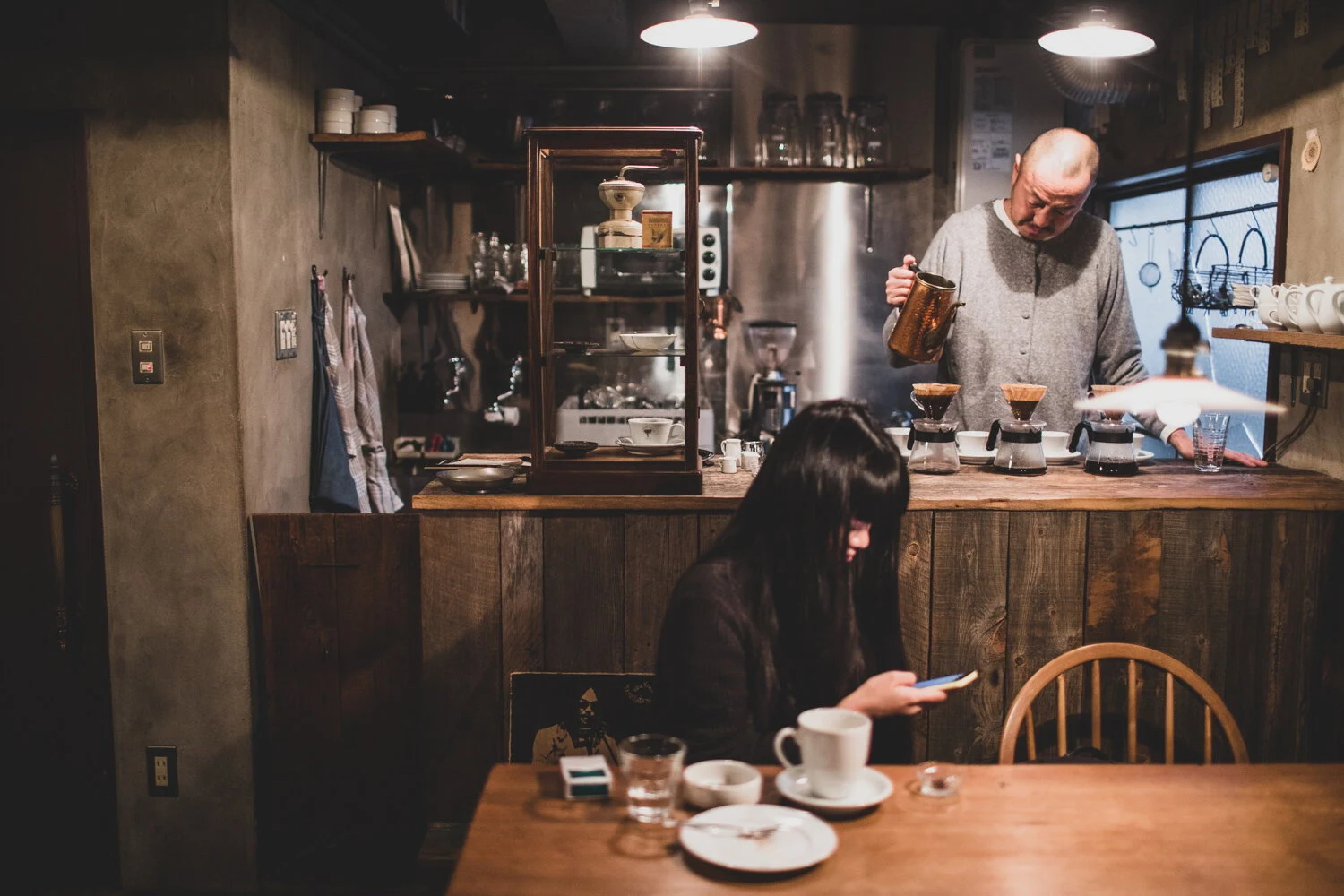
Coffee is the whole errand here, and the house order is the Deep Dive Blend, the named coffee the counter is built around. The roasting is done by hand and the brewing is done by the cup, hand-dripped rather than pulled in batches, which sets the speed of the room before you have sat down. Single origins run alongside the blend, café au lait covers the milk order, and a mini homemade cheesecake is the small thing to put beside it. Cocktails appear later in the day, so the list does not stop at coffee. Beans are sold to take away, and there is a coffee ticket valid for six months, which says plainly what kind of customer the place expects: one who comes back.
A second-floor room off Takoyakushi-dori
Finding it is part of the appeal. ELEPHANT FACTORY COFFEE sits on the second floor of the HK Building, reached from Takoyakushi-dori in the lanes between Kawaramachi-dori and Kiyamachi-dori, a few steps from the busiest part of central Kyoto and entirely out of its noise. The room is compact, with counter seats facing the brewing and shelves of used books along the wall, and it reads as a place to sit with one cup rather than to spread out. Solo visits are the natural shape of it: a book, a cup and a quiet hour above the street. Ponto-cho and the Kawaramachi crossing are minutes away, which makes the climb up the stairs feel like a decision rather than a passing stop.
Order the Deep Dive Blend first
Start with the Deep Dive Blend, the coffee most closely attached to the name and the quickest way to read the roast. If you want the other half of the counter, ask which single origin is open and have it hand-dripped, since the point of the room is that the cup is made in front of you at the pace it needs. Café au lait is the softer order, and the mini cheesecake is enough sweetness without turning the visit into dessert. Take beans home if the cup lands, and buy the six-month ticket if Kyoto is going to see you more than once. Then pick a book off the shelf and stay put, because this is a drink-first room with a small footprint and the coffee is meant to be the event.
Tags
Frequently asked questions
What should I order at ELEPHANT FACTORY COFFEE?
The Deep Dive Blend, the named house coffee and the clearest read on the hand-roasted style. Ask which single origin is open if you want the other half of the counter, since everything is hand-dripped by the cup. Café au lait is the softer order, and a mini homemade cheesecake is the sweet thing beside it.
What is the room like at ELEPHANT FACTORY COFFEE?
Small, and on the second floor of the HK Building, reached from Takoyakushi-dori in the lanes between Kawaramachi-dori and Kiyamachi-dori. Counter seats face the brewing and shelves of used books line the wall, which shapes it for solo visits and slow reading. Beans and a six-month coffee ticket are sold for people who come back.
Compare nearby places
| Venue | Type | Area |
|---|---|---|
| Salon de the m.s.h | Café | Nakagyo Ward |
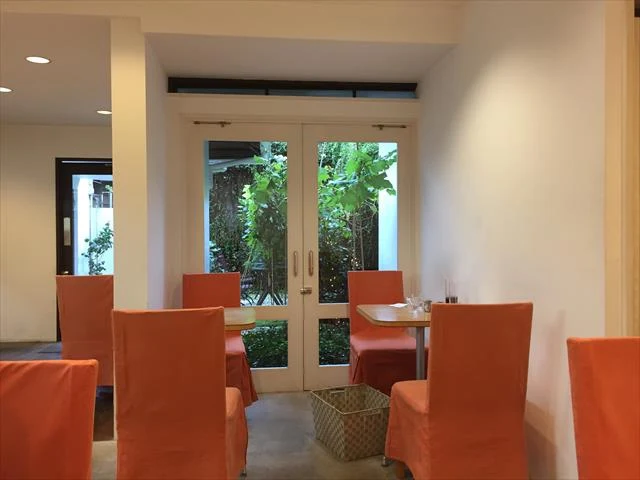
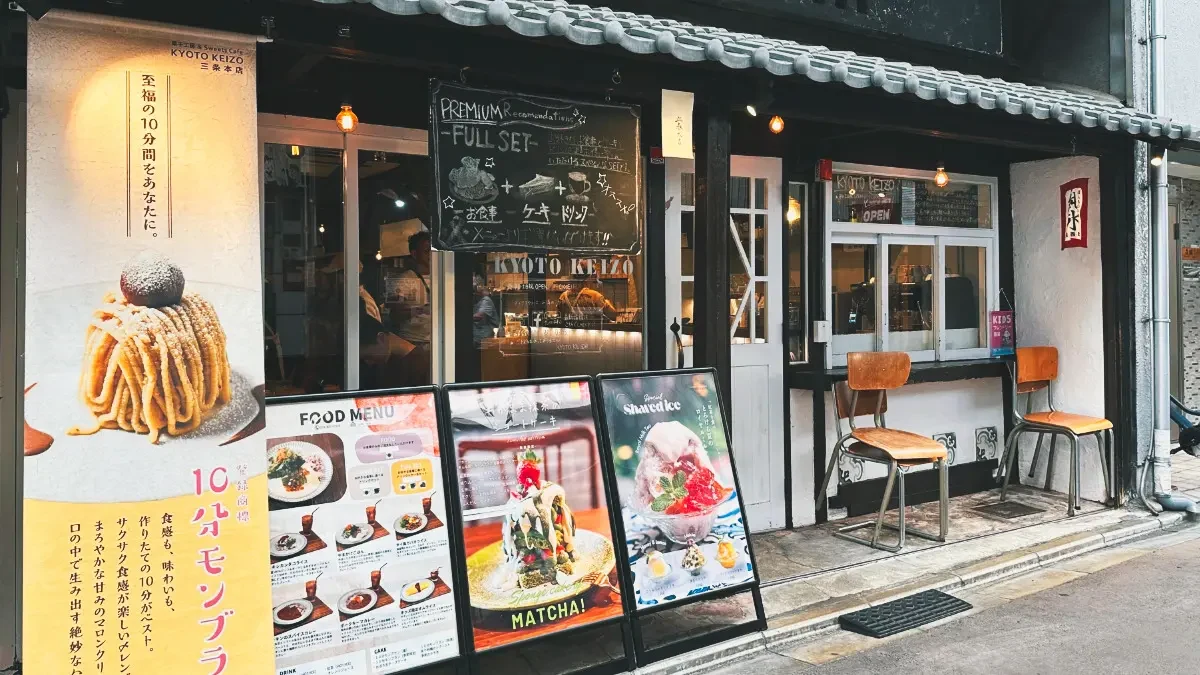
| Sweets Cafe KYOTO KEIZO | Café | Nakagyo Ward |
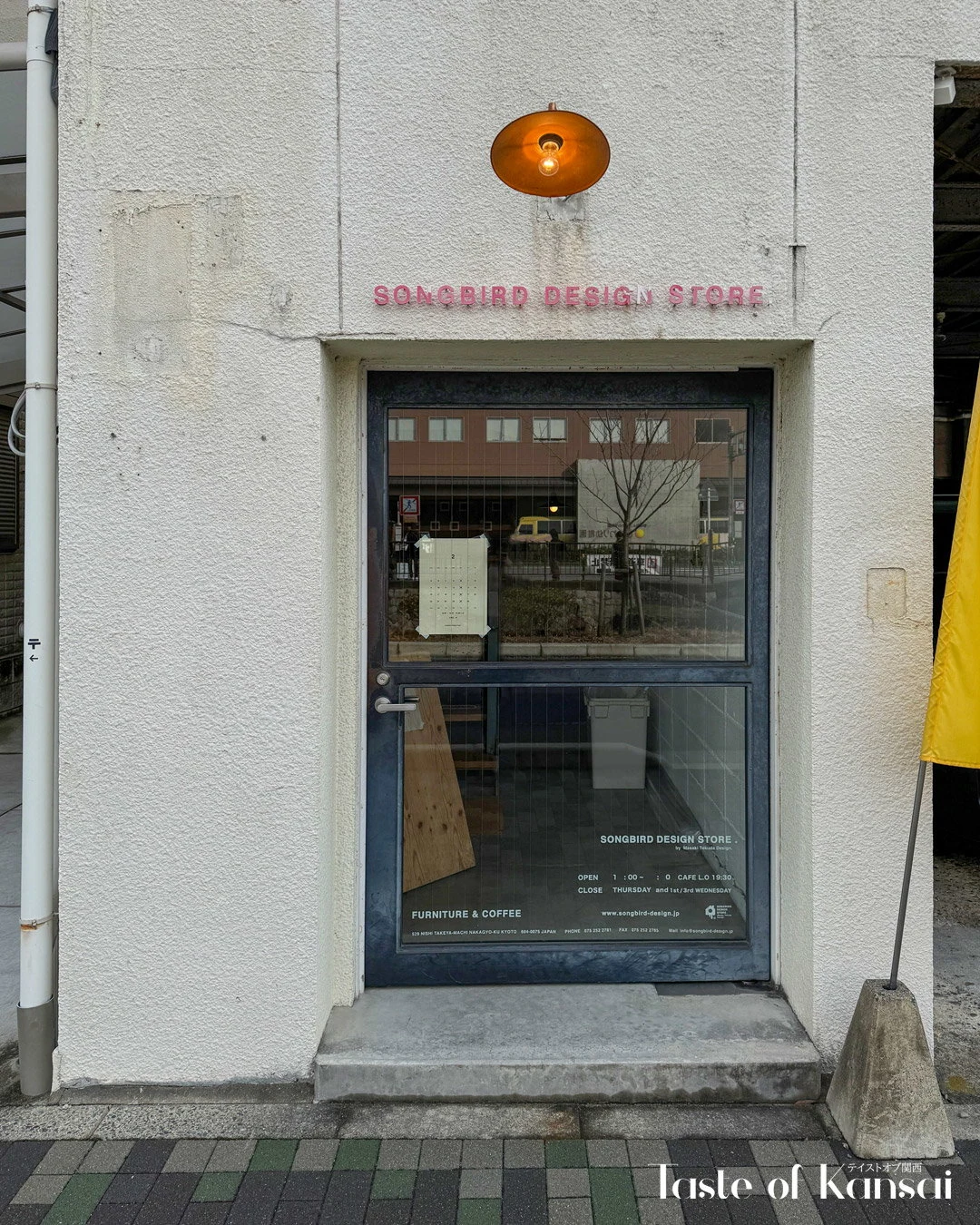
| SONGBIRD COFFEE | Café | Nakagyo Ward |
| Shirohato Bakery | Bakery | Nakagyo Ward |
| Salon de the FRANCOIS | Café | Shimogyo-ku |