Why go
Coffee, cake and a room built in 1934
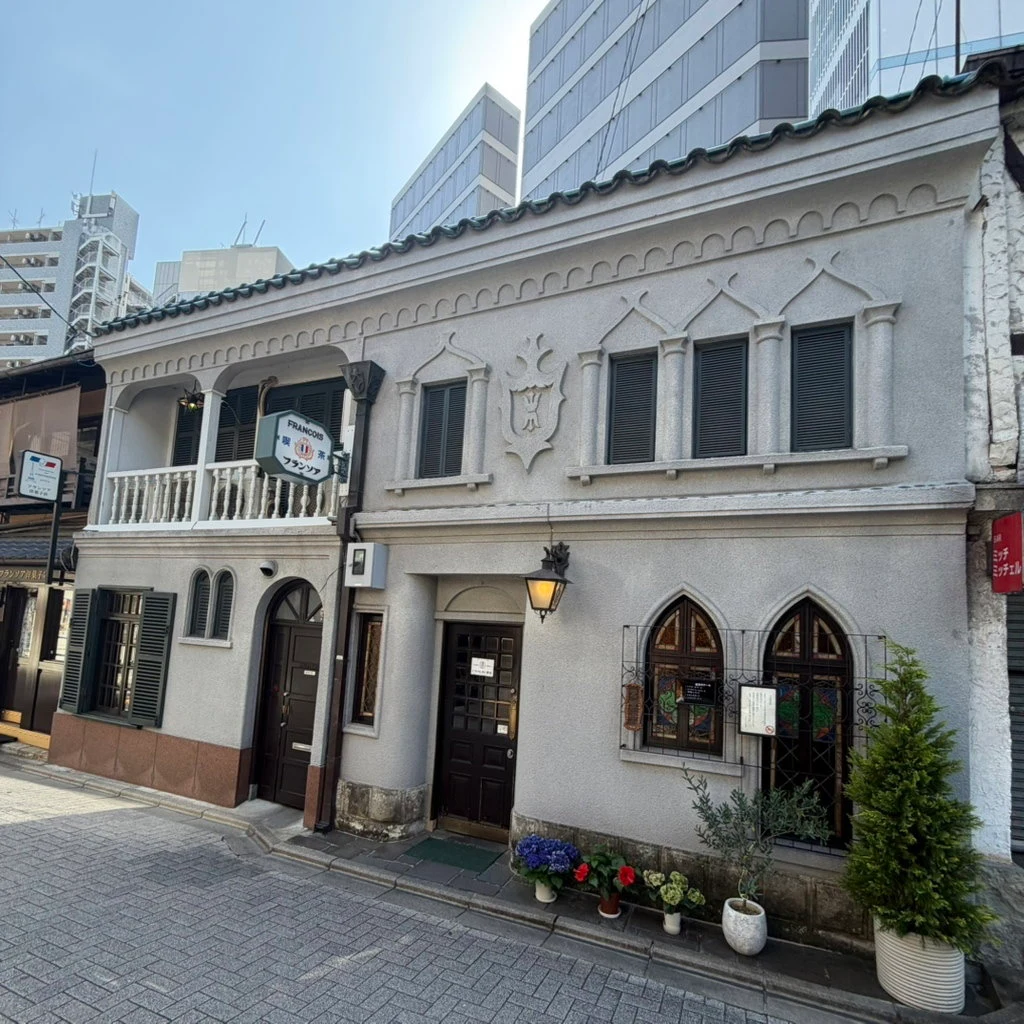
Coffee and cake is more or less the whole order, and it has been since 1934. The house separates drinks and cake from the rest of its food, which tells you where the weight sits, and the founding story is explicit that the room was built for people who cared about coffee and classical music in equal measure. Cake belongs beside the cup by design rather than as an afterthought.
The room itself was designed, not accumulated. Stained glass windows, an elegant white ceiling, red velvet chairs and a reproduction of the Mona Lisa on the wall give it the look of a European salon set down in a small alley south of Shijo-Kobashi, which is exactly what its founders were after when they opened, working with an Italian artist on the interior.
A cultural salon with a wartime history
The history reaches past hospitality. As wartime censorship tightened and free speech became harder, the founder kept this as a place where anti-war argument and avant-garde art could still be discussed, and it stocked publications that were not comfortable reading elsewhere. That is why it sits in Kyoto's cultural memory rather than only in its cafe listings.
The rules that govern a visit protect the same idea. Arrivals are taken in order, with a queue forming along the wall, and phones and laptops are not used at the tables. Every room is non-smoking, and at busy times guests may be asked to keep the visit to about two hours. The effect is closer to a salon ritual than to a coworking stop: a room where the point is the conversation, the music and the cup in front of you.
Order simply and stay a while
Approach it as a heritage coffeehouse rather than a specialty coffee bar. The offer is coffee, cake and food in a room that has been serving all three for more than ninety years, and the pleasure is in the continuity rather than in a changing programme.
Order a coffee and a slice, sit where the light comes through the stained glass, and let the classical music do what it was put there to do. If the room is full, the queue moves in order and the wait is part of the experience. What you are buying is a seat in one of Kyoto's long-running kissaten rooms, with the interior, the music and the pairing of coffee and cake more or less as they were first designed.
Tags
Frequently asked questions
What should I order at Salon de the FRANCOIS?
Coffee and a slice of cake. The house treats drinks and cake as a category of their own, and the founding story ties the room to people who came for coffee and classical music together. Food is served as well, but the pairing the cafe was built around is a cup and a cake in the salon.
What are the rules of the room?
Guests are seated in the order they arrive, queuing along the wall, and phones and laptops are not used at the tables. All rooms are non-smoking, and at busy times visits may be kept to about two hours. The rules exist to protect the salon atmosphere the cafe has kept since 1934.
Compare nearby places
| Venue | Type | Area |
|---|---|---|
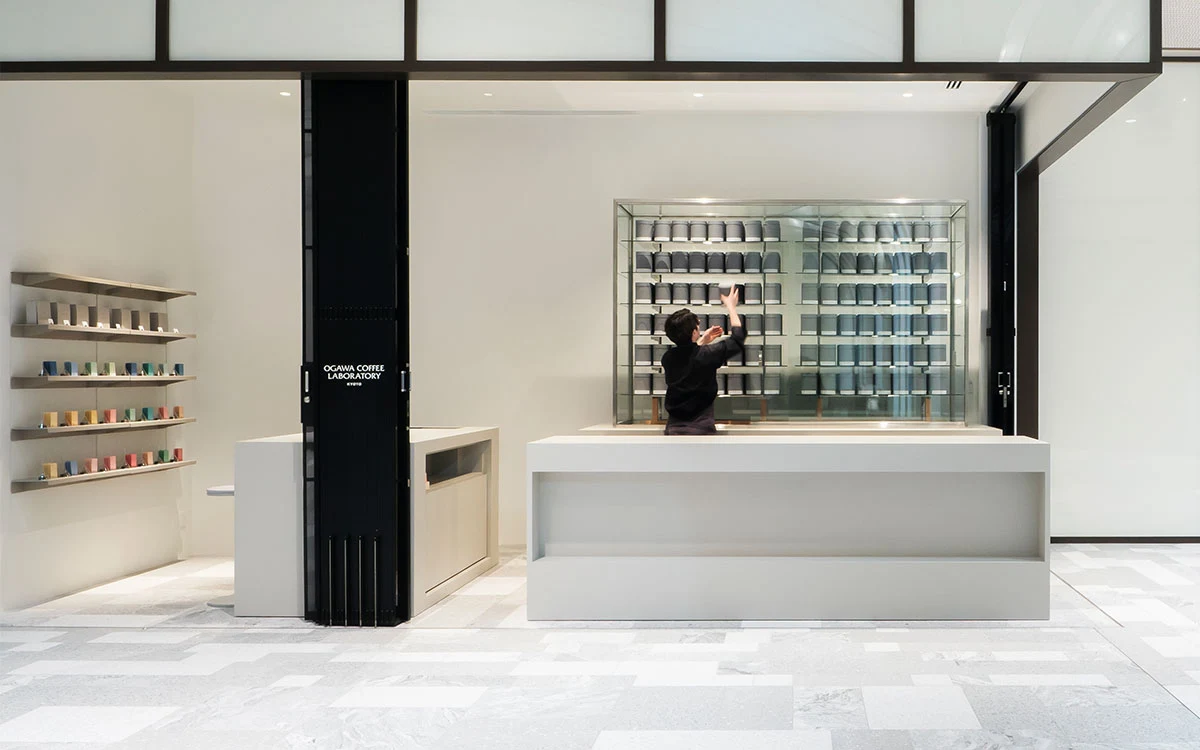
| OGAWA COFFEE Kyoto eki ten | Café | Shimogyo-ku |
| PATISSERIE.S | Bakery | Shimogyo-ku |
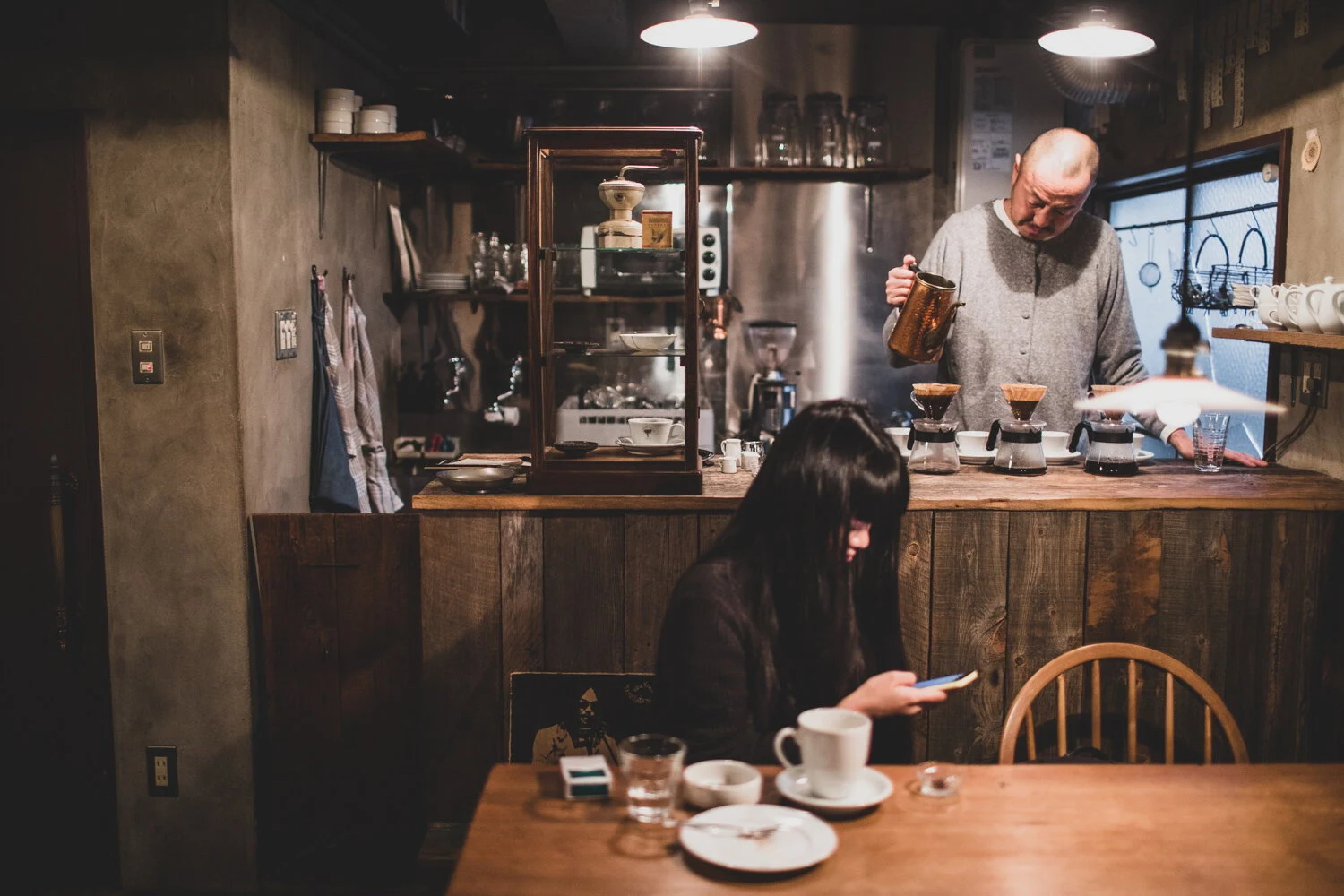
| ELEPHANT FACTORY COFFEE | Café | Nakagyo Ward |
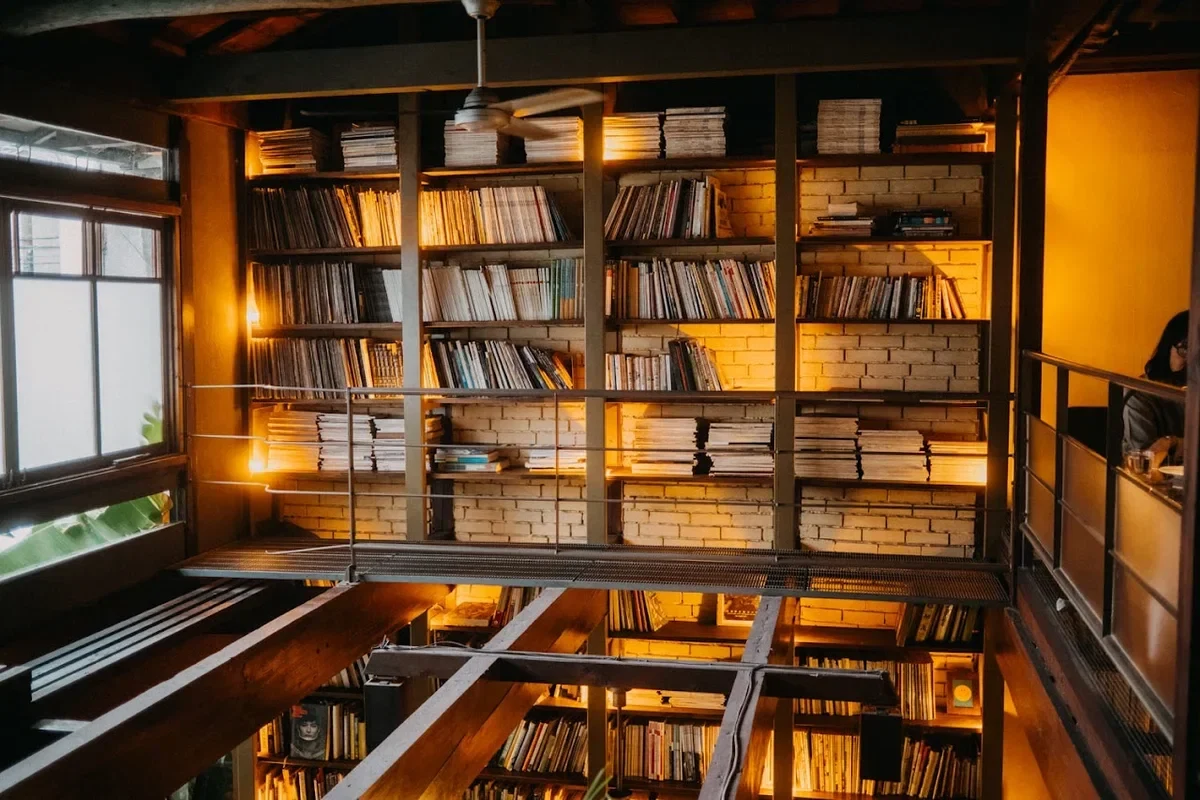
| Cafe Bibliotic Hello! | Café | Downtown Kyoto |
| Salon de the m.s.h | Café | Nakagyo Ward |