Why go
Namagashi, baked sweets, chilled sweets, confiture
Four product families organise everything at PATISSERIE.S. Namagashi, the fresh sweets meant to be eaten the same day. Baked sweets for the shelf and the gift box. Chilled sweets, the cream and mousse work that lives in the refrigerated case. And confiture, the house preserves. It is a modern French-style pâtisserie that borrows Japanese confectionery vocabulary to describe itself, which tells you something about how it thinks.
The fresh side governs a visit. Namagashi sell out, and when they do the case looks different for the rest of the day, so arriving early buys more choice. Baked sweets and confiture do the opposite job, staying good for the journey home and turning the shop into somewhere to buy a present rather than a snack.
A quiet salon behind the counter
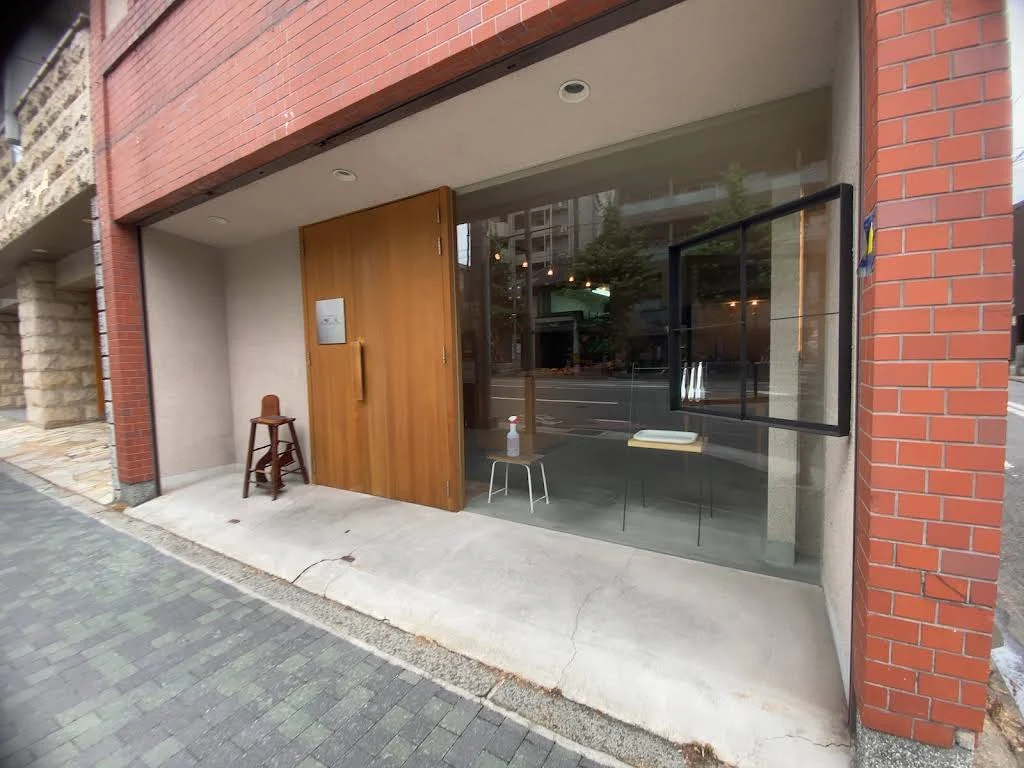
The Shimogyo shop works first as a takeaway counter, calm and uncluttered, with the case doing the talking. Behind it sits a dessert salon, and that is where the pâtisserie changes character: a plated sweet, a seat, and enough quiet to make an hour of it. Those two modes explain most of the decisions here, because choosing between a box and a table changes what is worth ordering.
There is a second Kyoto address as well, so this is a neighbourhood pâtisserie in a city full of them rather than a single pilgrimage site. That suits the format. Nothing about the room is staged for an audience, and the interest stays in the case.
What to order, and when
Go early and order namagashi if the point of the trip is the pâtisserie at its most French: fresh cream, fruit and precise assembly, eaten the same day. If the salon is open and there is time, take one to the table rather than the bag, since the chilled sweets in particular are better on a plate than after a walk across the city.
For anything that has to travel, the baked sweets and confiture are the right answer, and they make the most sensible gift from a Kyoto stop. If the visit lands in December, the Christmas cake is the house's annual set piece, planned for and ordered ahead by people who know it is coming. The rest of the year, the case sets the agenda and the best approach is to look before deciding.
Frequently asked questions
What should I order at PATISSERIE.S?
Order namagashi if you arrive early, since the fresh sweets are the pâtisserie at its most French and they sell out. Baked sweets and confiture are the ones to buy if anything has to travel home. Chilled sweets are better eaten at a table in the salon than carried away.
Can you sit down at PATISSERIE.S?
Yes. The main shop is a takeaway counter, calm and uncluttered, but there is a dessert salon behind it where sweets are plated and eaten at a table. That changes what is worth ordering, because cream and mousse work holds up far better on a plate than in a box.
Compare nearby places
| Venue | Type | Area |
|---|---|---|
| Salon de the FRANCOIS | Café | Shimogyo-ku |
| OGAWA COFFEE Kyoto eki ten | Café | Shimogyo-ku |
| Patisserie Tandresu | Bakery | Ichijoji |
| Shirohato Bakery | Bakery | Nakagyo Ward |
| Patisserie TATSUHITO SATOI | Bakery | Kita-Shirakawa |