Kamigyo Ward

boulangerie Artisan'Halles

BakeryAbout $7 a head
boulangerie Artisan'Halles

Why go

Approaching the Demachiyanagi side of Kyoto, the city changes register: university traffic, river crossings, temple-bound walkers and everyday shopping routes overlap more naturally than in the polished hotel corridors farther south. Bread shops here are not an imported novelty. They are daily infrastructure: morning errand, picnic supply stop, low-cost counterpoint to the city’s formal kaiseki and sushi economy.

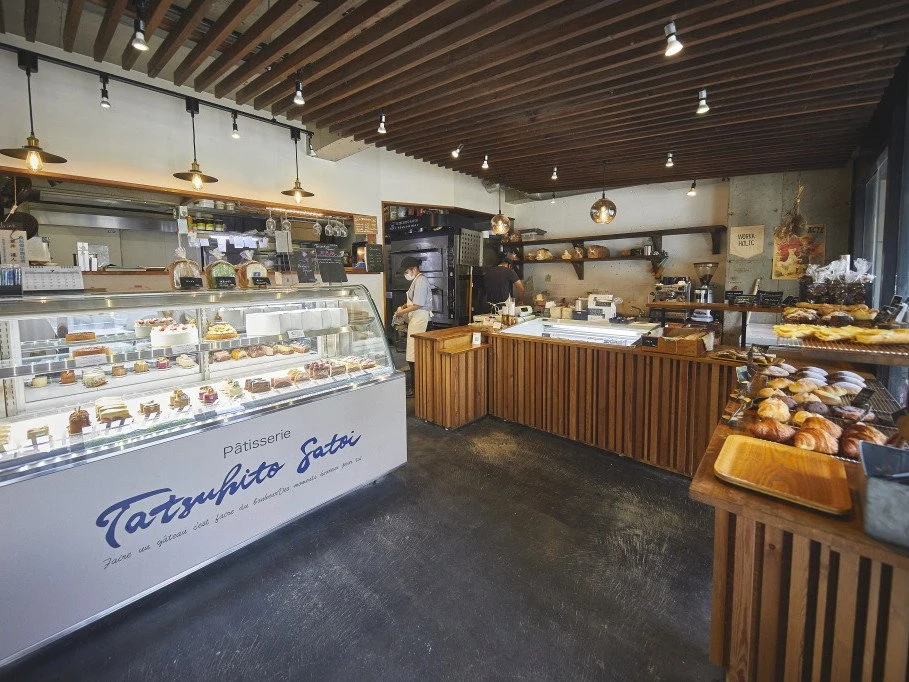
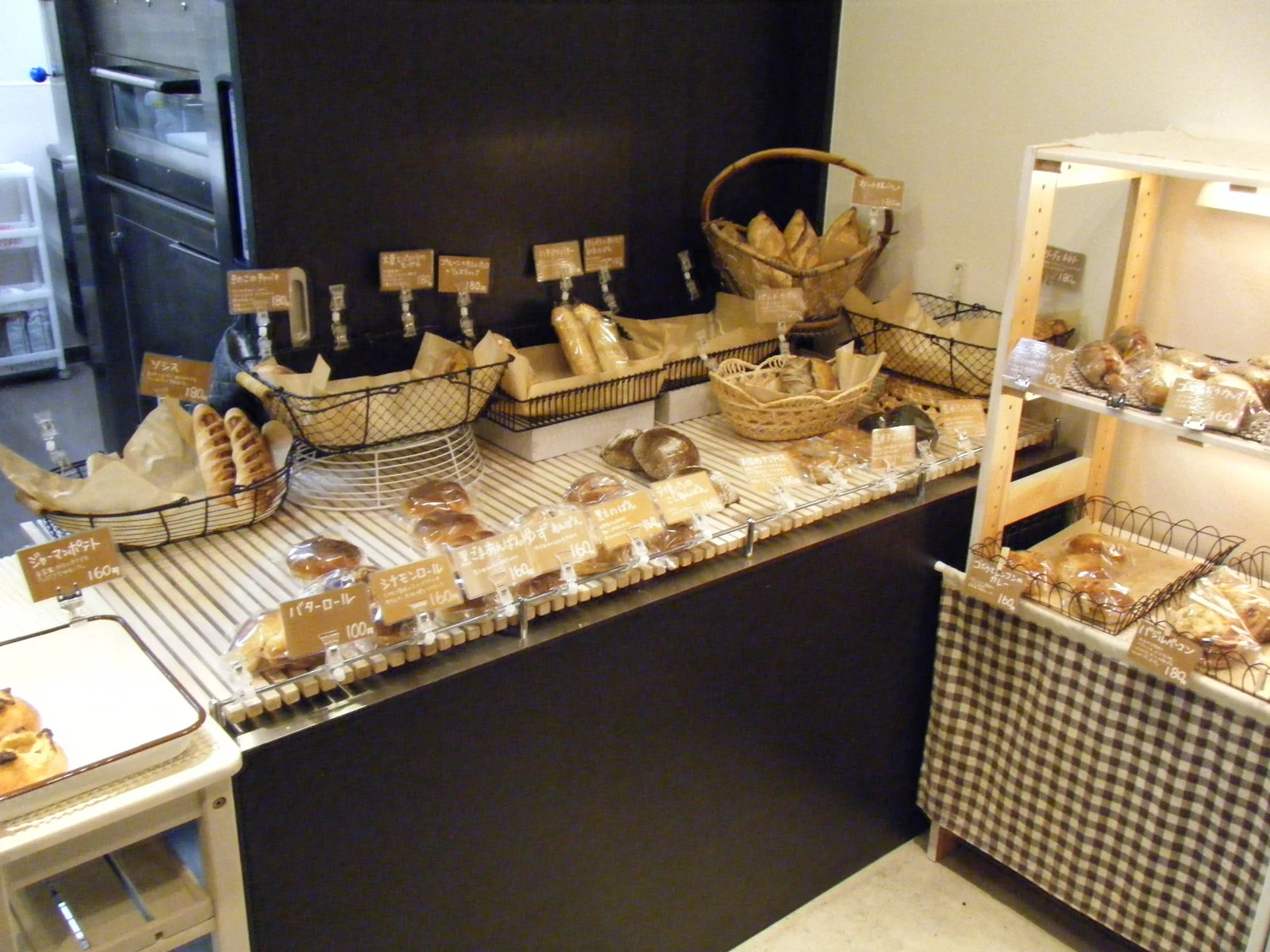
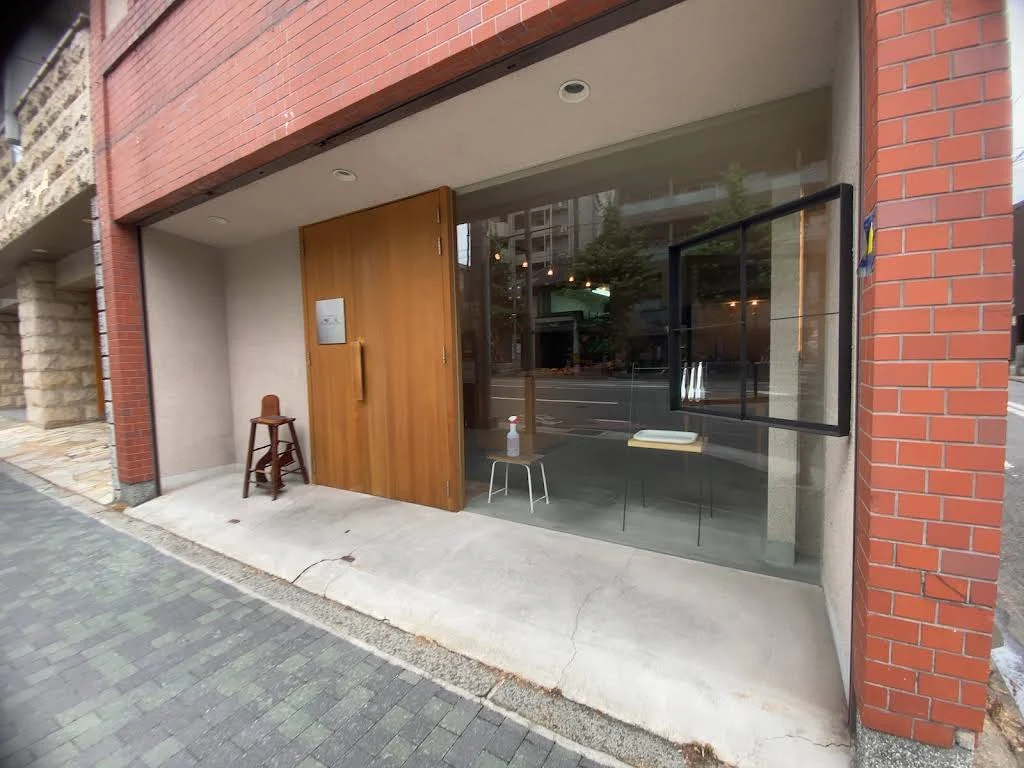
That context matters for boulangerie Artisan'Halles. Its Kamigyo-ku address places it close to the Demachiyanagi orbit rather than Kyoto’s denser tourist dining strips, and the format is compact: bread and cafe by category, takeout by service. In a city where restaurant budgets climb quickly, the listed spend below JPY 999 gives this shop a distinct role. It is not competing with Kyoto’s ceremonial dining rooms. It belongs to the daily-bread tier, where recognition comes from repeat use, product discipline and local habit rather than service choreography.

Kyoto's bread scene rewards discipline over spectacle

Kyoto has a long-running affection for bakeries because the city’s rhythms suit them. Morning temple walks, university commutes, river picnics and department-store food halls all create occasions for portable food that still feels intentional. The strongest bakeries are precise rather than theatrical: shelves turn over, pricing stays accessible, and decisions happen quickly.

The Tabelog Bread WEST 100 selections in 2020 and 2022 put boulangerie Artisan'Halles into a regional conversation beyond neighborhood convenience. Tabelog’s bread list is not a Michelin-style inspection system, but in Japan it is a meaningful crowd-and-editorial signal for category specialists. For travelers, that matters because bakeries are hard to judge from outside. A low spend says little; repeat selection in a bread-specific list shows attention inside a competitive field that includes Kyoto, Osaka and other western Japan bread cities.

The Kyoto comparison set is broad. Demachi Futaba, also in the Demachiyanagi orbit, represents a different daily-food tradition: wagashi and mochi rather than French-style baking. Sabo Isehan sits closer to the tea-and-sweets register. At the other end, Sushi Hayashi operates in a high-budget sushi category structured around counter time and chef control. A bakery like this sits outside that hierarchy, and that is its value. It gives Kyoto another way to eat well without turning every meal into an appointment.

For readers mapping a day around food rather than monuments, treat the bakery as part of a north-central Kyoto route. A bread stop can sit before a river walk, after a morning around the Kyoto Imperial Palace area, or between visits that would otherwise leave lunch to a convenience store. The appeal is not grandeur. It is folding a serious specialist into an ordinary itinerary.

Takeout changes the experience, and that is the point

The current format is takeout only, which sharpens the encounter. There is no dining-room arc, lingering service script or wine pairing to soften judgment. Selection, payment and departure carry the exchange. That puts emphasis where strong bakeries usually want it: turnover, timing and confidence in a small purchase.

For Kyoto visitors used to reservation-heavy dining, this is a useful corrective. The city can feel difficult when every acclaimed counter demands planning, but bakeries operate on a more democratic clock. The listed hours run through daytime into early evening on operating days, with regular midweek closures. That makes the shop practical for breakfast planning, train-day provisions or a late-afternoon reset before dinner. Payment is listed as cash-only, another reminder that Kyoto’s smaller food specialists often remain more analog than their international reputation suggests.

There is also a sensory logic to takeout baking in Kyoto that differs from cafe culture. The purchase is meant to leave the room. Bread moves into parks, hotel rooms, riverbanks and train platforms. That mobility helps bakeries become local fixtures without restaurant theatre. A shop can be modest in scale and still shape how people read a neighborhood.

Among EP Club Kyoto entries, this sits closer in spirit to casual specialists than occasion dining. For broader city planning, compare it with the restaurant range in Our full Kyoto restaurants guide, then place it against stays in Our full Kyoto hotels guide, drinking routes in Our full Kyoto bars guide, regional bottles in Our full Kyoto wineries guide and cultural planning in Our full Kyoto experiences guide. Kyoto works better when these layers are not treated separately.

How to place it in a Kyoto food day

The smart use case is not building an entire day around boulangerie Artisan'Halles. It is letting it solve a common Kyoto problem: good food between structured meals. Pairing a bakery stop with a northern Kyoto walk makes more sense than crossing town for it alone, unless tracing the city’s bread culture.

Within Kyoto, 3TOKU6MI Shijo karasuma ten, 551蓬莱, [ki:], Abbesses and Aburi Mochi Honke Nemoto Kazariya show how varied the city’s casual and specialist food map can be: department-store comfort, modern small-format dining, French influence and older sweet traditions coexist within short transit hops. That is the real Kyoto lesson. The city’s food reputation is not only built from formal restaurants; it is reinforced by small purchases locals repeat.

Travelers extending the same lens across Japan can see parallel patterns at.cafe in Osaka,.know in Kumamoto, (Shoku) Vietnam in Kawasaki, [Curry Senmon Ten] Maruyama Kyoju. in Sapporo, -Grilled beef Sukiyaki- KAMAKURA TANUKIAN 鎌倉 たぬき庵 in Kamakura and. 鮪と炭火焼き うお炭 秋葉原店 in Tokyo. Even outside Japan, compact specialists such as Jōdo Saké Bar in Los Angeles and Onigiri Time in Pasadena show how narrow formats carry cultural weight when treated seriously.

The editorial verdict is simple: this is a low-cost Kyoto bakery with enough recognition to justify attention, especially for travelers staying or walking near Demachiyanagi. It is better read as part of the city’s everyday food intelligence than as destination spectacle. That distinction makes it more useful, not less.

Tags

Hidden GemCozyRusticClassicSoloCasual HangoutBrunchStandalone