Why go
Tea breads on a Uji shopping street
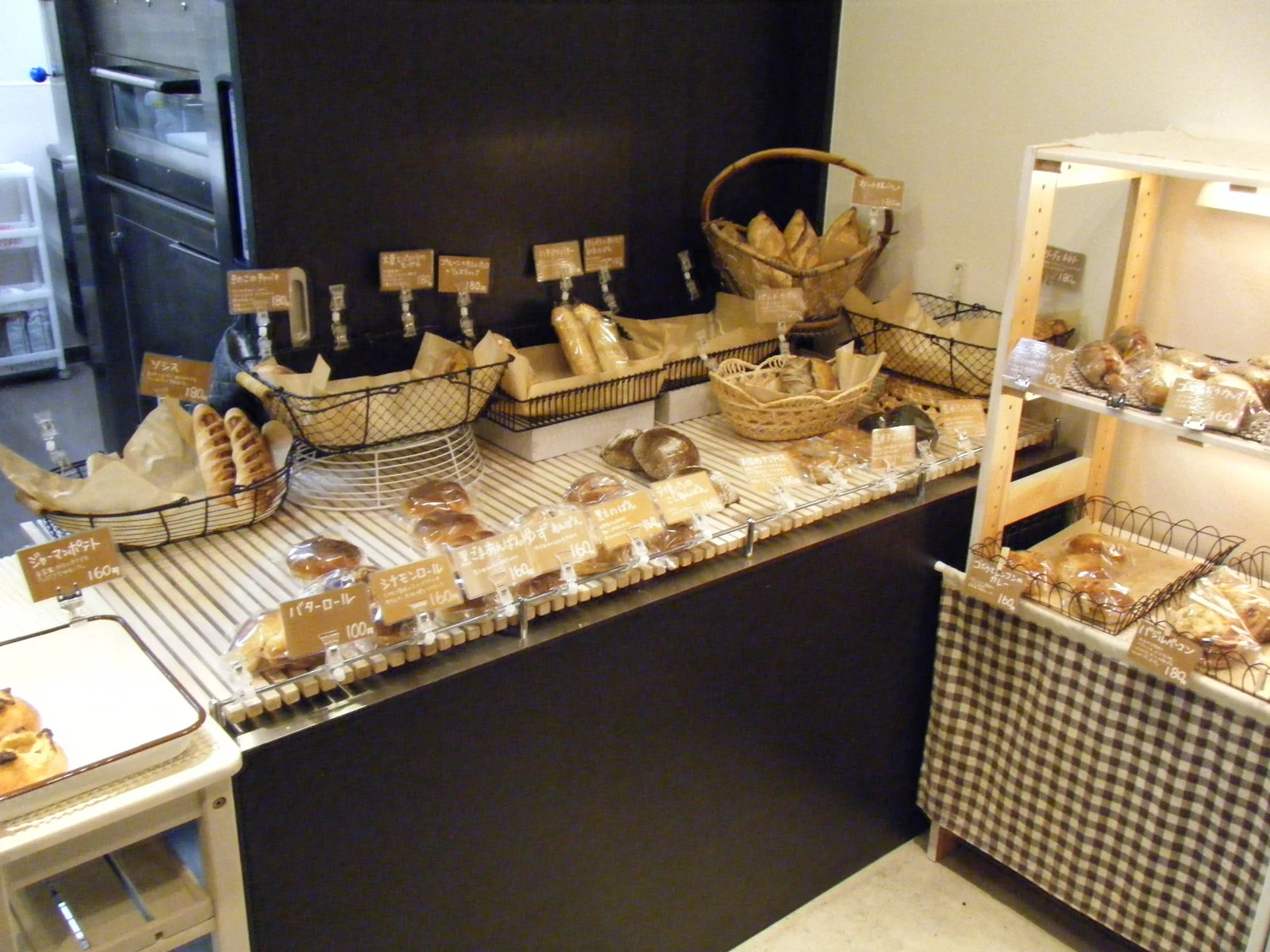
The case here is where Uji tea culture meets everyday bread: green tea Danish, hōjicha bread, matcha rustic bread, green tea sunrise and chatsubo, named after a tea jar. Mogu Mogu Bakery has worked the middle of Uji-bashi Dori since 1977, which puts it in the ordinary commercial life of the town rather than in the recent specialty-bakery wave. More than 120 kinds of original bread come out of the kitchen, so the tea breads sit inside a much wider daily range instead of standing alone as a novelty line. For visitors who come to Uji for matcha, the appeal is seeing those flavours handled as bakery staples. For people who live here, it is a bread shop first, and the tea is simply what the town grows.
Egg-free baking, and what that changes
The house rule is unusually specific for a neighbourhood bakery: apart from the Danish bread, the breads are made without eggs, and the shop says it uses no preservatives or additives. That policy is aimed at everyone from small children to older customers, including people managing allergies or atopic skin, so it shapes the product range rather than sitting in the small print. In practice it pushes the baking toward soft, plain, everyday loaves and filled breads that hold their appeal without richness from egg. The format follows from the same logic: a broad display and a counter geared to buying several pieces for breakfast, lunch or the family table rather than sitting down with a plate. The stated aim, in the bakery's own words, is bringing smiles to the table.
Start with the hōjicha bread
Order the hōjicha bread first, because roasted tea shows most clearly in a plain crumb, then take the matcha rustic bread for the greener, more direct expression. The green tea Danish is the one exception to the egg-free rule and the richest thing in the tea line, so it works as a third piece rather than a first. Green tea sunrise and chatsubo round the theme out, the latter turning Uji tea-jar imagery into a bread name. Beyond the tea line, the real strength is breadth: more than 120 original breads, made to be bought regularly rather than photographed once. Mogu Mogu Bakery was ranked number 78 on the Tabelog 100 list in 2022, but the reason to come is a bakery that has held the same everyday role since 1977.
Frequently asked questions
What are the tea breads at Mogu Mogu Bakery?
The tea line runs to green tea Danish, hōjicha bread, matcha rustic bread, green tea sunrise and chatsubo, which takes its name from a tea jar. Hōjicha bread shows roasted tea most clearly, while the matcha rustic loaf is the greener and more direct version. They sit within a range of more than 120 original breads.
Are the breads made without eggs?
Apart from the Danish bread, yes. The bakery makes its breads without eggs and says it uses no preservatives or additives, a policy aimed at customers from young children to older adults, including people managing allergies or atopic skin. The green tea Danish is the one named exception in the tea range.
Compare nearby places
| Venue | Type | Area |
|---|---|---|
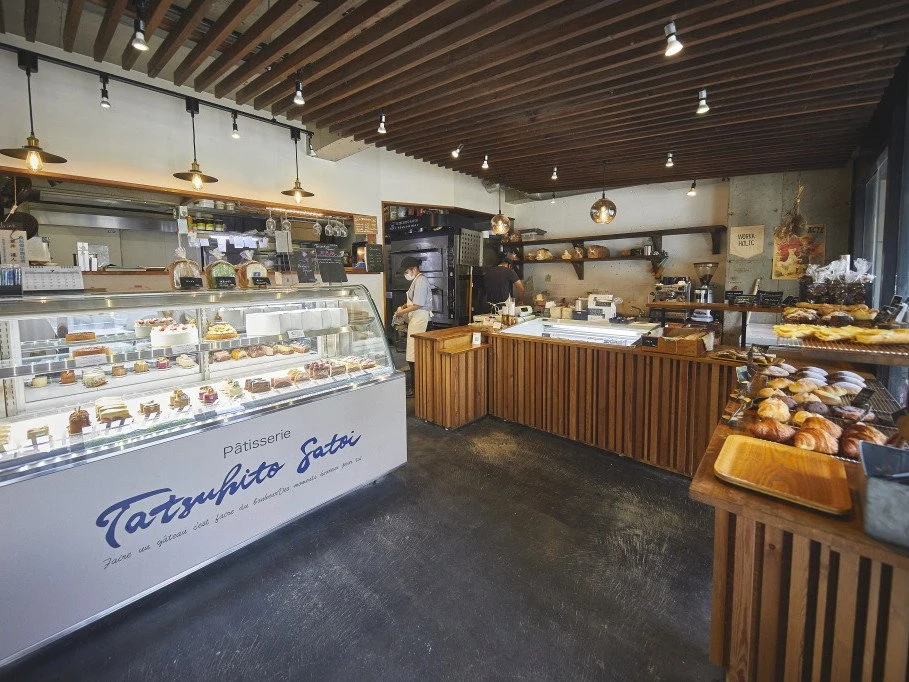
| Patisserie TATSUHITO SATOI | Bakery | Kita-Shirakawa |
| Shirohato Bakery | Bakery | Nakagyo Ward |
| boulangerie Artisan'Halles | Bakery | Kamigyo Ward |
| Patisserie Tandresu | Bakery | Ichijoji |
| PATISSERIE.S | Bakery | Shimogyo-ku |