Why go
Ethical coffee, brewed through cloth
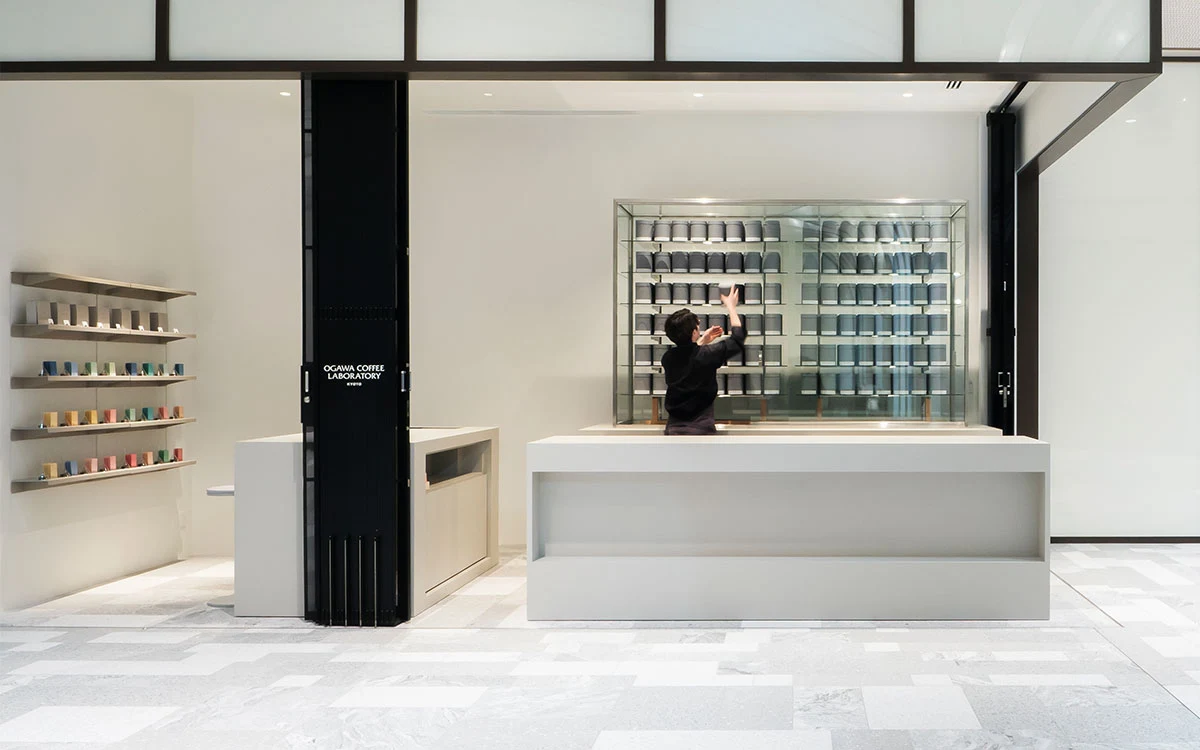
The cup is the whole argument here. OGAWA COFFEE is a Kyoto brand that puts sourcing and brewing ahead of any kitchen, and its shops work an all-ethical coffee line-up, including coffees certified under JAS Organic and Fair Trade standards. The house talks about sustainable supply chains and traceability in plain terms, treating a daily coffee as something connected to the people who grew it. The brewing is just as specific: nel drip, the cloth-filter method closely tied to Japanese coffee culture, which slows attention onto grind, water, extraction and texture. The method is part of the experience rather than a technical footnote, and the house links it to heritage as much as to taste. OGAWA COFFEE Kyoto eki ten was ranked #59 in the Tabelog 100 for 2025.
A station-side counter with Kyoto habits
This is a compact counter-service coffee bar rather than a dining room, positioned for the traffic of Kyoto Station, so the visit is short by design. Light meals sit alongside the coffee for anyone arriving hungry, but they are support rather than the reason to stop. Service follows the Kyoto-style omotenashi the brand keeps returning to: unhurried, attentive and shaped around the person ordering rather than around table turns. There is no tasting menu, no cocktail list and no chef’s counter. The room is organised around beans, brewing and the handover of a cup, which is a useful thing to know before choosing between the many cafés inside and around the station.
Order the nel drip
The most distinctive order is coffee prepared the way the brand describes for its Kyoto shops: ethical beans, including JAS Organic and Fair Trade certified lots, run through a nel drip. That is the cup that carries what the company says it wants to communicate, and the cloth filter gives a rounder, softer texture than a paper cone. If a milk drink suits the hour better, keep the same sourcing question in mind and treat the food as secondary. For anyone comparing Kyoto cafés, the useful expectation is simple: look to the cup, pay attention to the brewing method, and let the rest of the counter follow from there.
Tags
Frequently asked questions
What should I order at OGAWA COFFEE Kyoto eki ten?
Take a coffee brewed by nel drip, the cloth-filter method the brand builds its Kyoto identity on. It gives a rounder, softer texture than a paper cone and shows the sourcing at its clearest, since the line-up runs to ethical beans including JAS Organic and Fair Trade certified lots.
What is nel drip?
It is a cloth-filter brewing method closely tied to Japanese coffee culture, in which coffee is filtered through fabric rather than paper. The technique slows attention onto grind, water, extraction and texture, and produces a rounder cup. OGAWA COFFEE treats it as part of the experience rather than a technical detail.
Compare nearby places
| Venue | Type | Area |
|---|---|---|
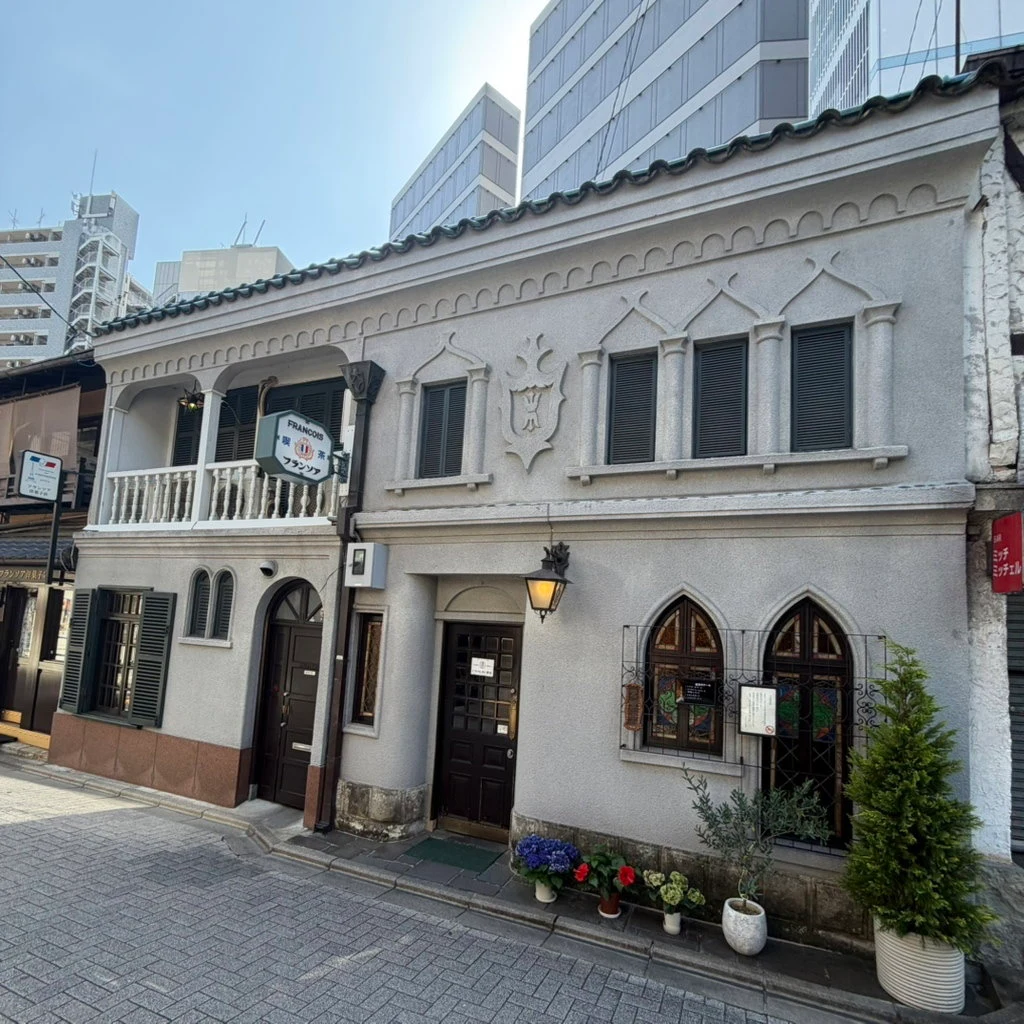
| Salon de the FRANCOIS | Café | Shimogyo-ku |
| PATISSERIE.S | Bakery | Shimogyo-ku |
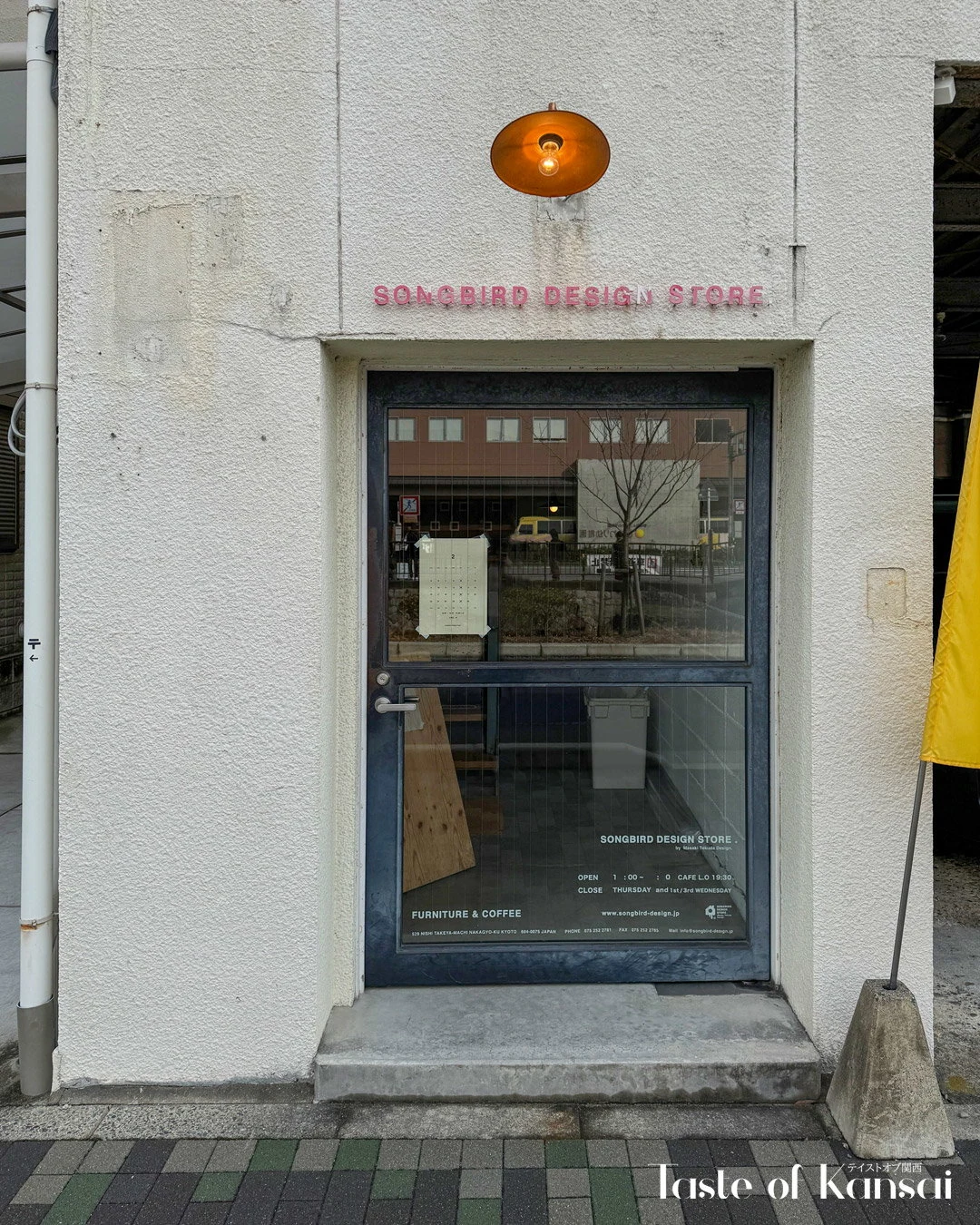
| SONGBIRD COFFEE | Café | Nakagyo Ward |
| Kaikado Cafe | Café | Shimogyo |
| Ichikawa Ya Coffee | Café | Higashiyama |