Why go
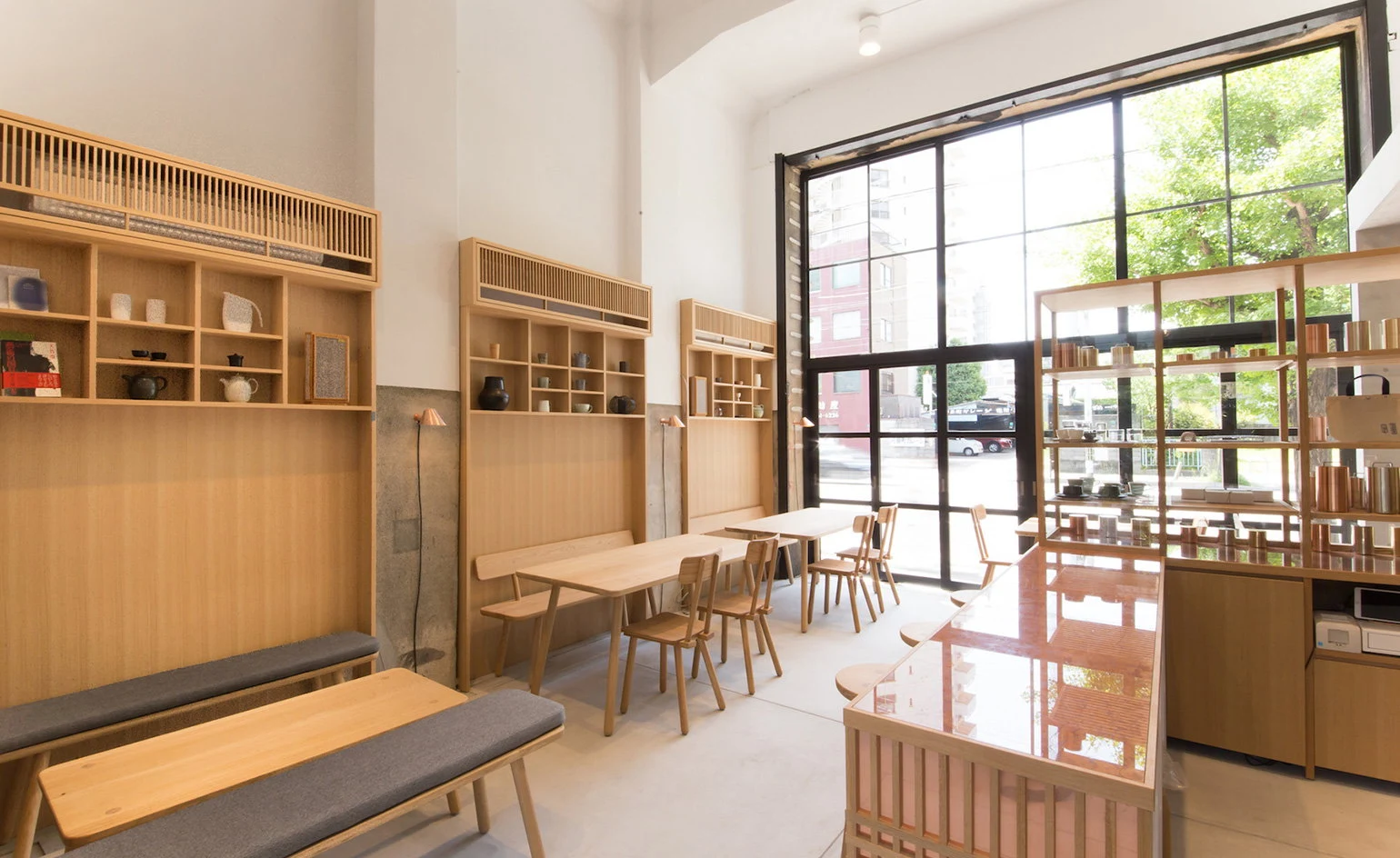
Coffee roasted on the premises and Japanese tea are held at the same level here, in a Shimogyo Ward room that is also a handicraft shop. Kaikado Roastery, the self-operated roasting and culinary side of the business, began in 2023, and the cafe is where its work reaches the public.
Tea and coffee, neither one subordinate
The room sits inside Kyoto’s tea culture and adds contemporary roasting to it rather than choosing between the two. Coffee is roasted in house instead of bought in for service, and the drinks list runs Japanese tea alongside recommended domestic and international teas, so the tea side widens rather than narrows.
Preparation is handled by a team drawn from Japan and abroad, working to a hospitality idea the house calls Kaikado no Otsukai: attentive care for guests, for the people doing the work, and for the planet. In practice it reads as a tea-house mood crossed with a roastery’s precision, with staff guiding guests through coffee, tea and pastry choices rather than hurrying them.
Two services in one day
The day splits in two. A morning Roastery Stand handles quicker coffee service; in the afternoon the room becomes the Cafe, with tea service, pastries and a slower pace. The same address therefore offers a direct coffee stop or a long sit, depending on when you arrive.
That split also explains the triple identity of coffee roastery, cafe and handicraft shop. Craft and service share one story here, and the morning and afternoon halves show two different faces of it.
What to order
The Kaikado Cheese Cake Set is the clearest named signature, and it sells out often enough that it is worth taking when it is available. It is the pastry to know by name, and it pairs with either side of the drinks list.
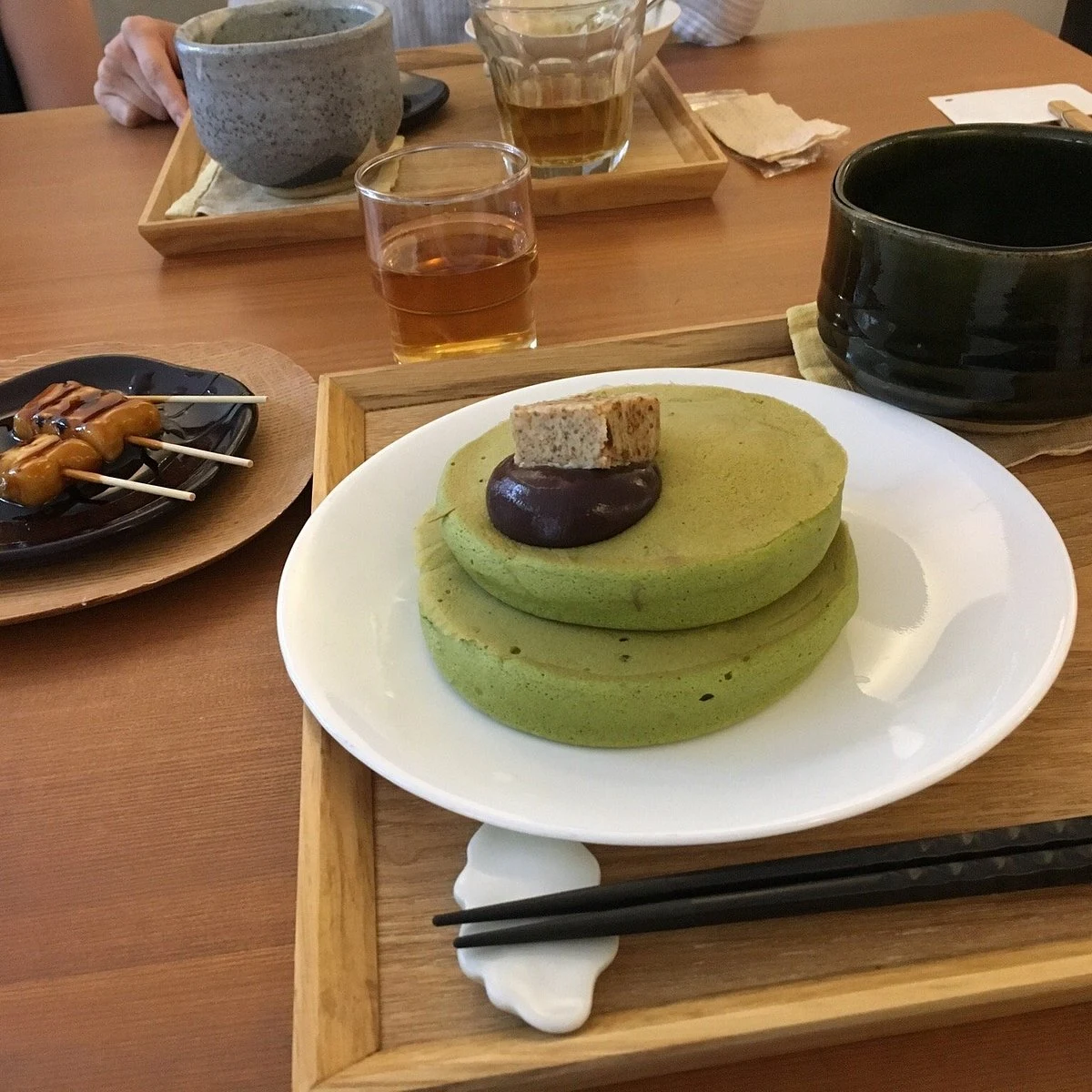
For the drink, choose which identity you want. Coffee connects to the roastery and its 2023 launch. Japanese tea places the order closer to Kyoto tea tradition, while the recommended domestic and international teas show the cafe is not limited to one. A matcha latte with Japanese sweets leans to the tea side; coffee with cake leans to the roastery. The best version of the visit is a pairing: the Cheese Cake Set with coffee, Japanese tea, or whatever tea is being recommended that day.
Tags
Frequently asked questions
What is Kaikado Cafe known for?
Being a coffee roastery and a Japanese tea cafe at once. Kaikado Roastery, its self-operated roasting side, started in 2023, and the drinks list runs house-roasted coffee alongside Japanese tea and recommended domestic and international teas. The Kaikado Cheese Cake Set is the named pastry signature.
What is the difference between the morning and the afternoon?
The day runs as two services. Mornings work as a Roastery Stand, geared to quicker coffee, while the afternoon becomes the Cafe, with tea service, pastries and a slower pace. Come early for a direct coffee stop and later for a longer sit.
Compare nearby places
| Venue | Type | Area |
|---|---|---|
| Takagi Coffee Ten Takatsuji honten | Café | Shimogyo |
| ELEPHANT FACTORY COFFEE | Café | Nakagyo Ward |
| Umezono Cafe and Gallery | Café | Nakagyo-ku |
| Ichikawa Ya Coffee | Café | Higashiyama |
| Cafe Don Bai Sfera | Café | Gion |