Why go
Hand-drip coffee on the ground floor of a design building
Coffee here is ground fresh and brewed by hand drip, one cup at a time, which is the smallest expression of a much larger idea. Café DOnG by Sfera, written カフェ・ドン バイ スフェラ, occupies the ground floor of the Sfera Building in Gion, a cultural base that opened in Higashiyama in 2003 and holds design, craft, art, food, retail, exhibitions and an archive under one roof. Sfera itself began in 2001 as a Kyoto design studio and brand, started by someone who had already opened Ricordi in Gion in 1995 and worked across architecture, art, food and traditional performing arts before pursuing a fusion of food space and design, tableware included. The coffee sits inside that thinking: an everyday object made carefully.
A café inside a cultural building
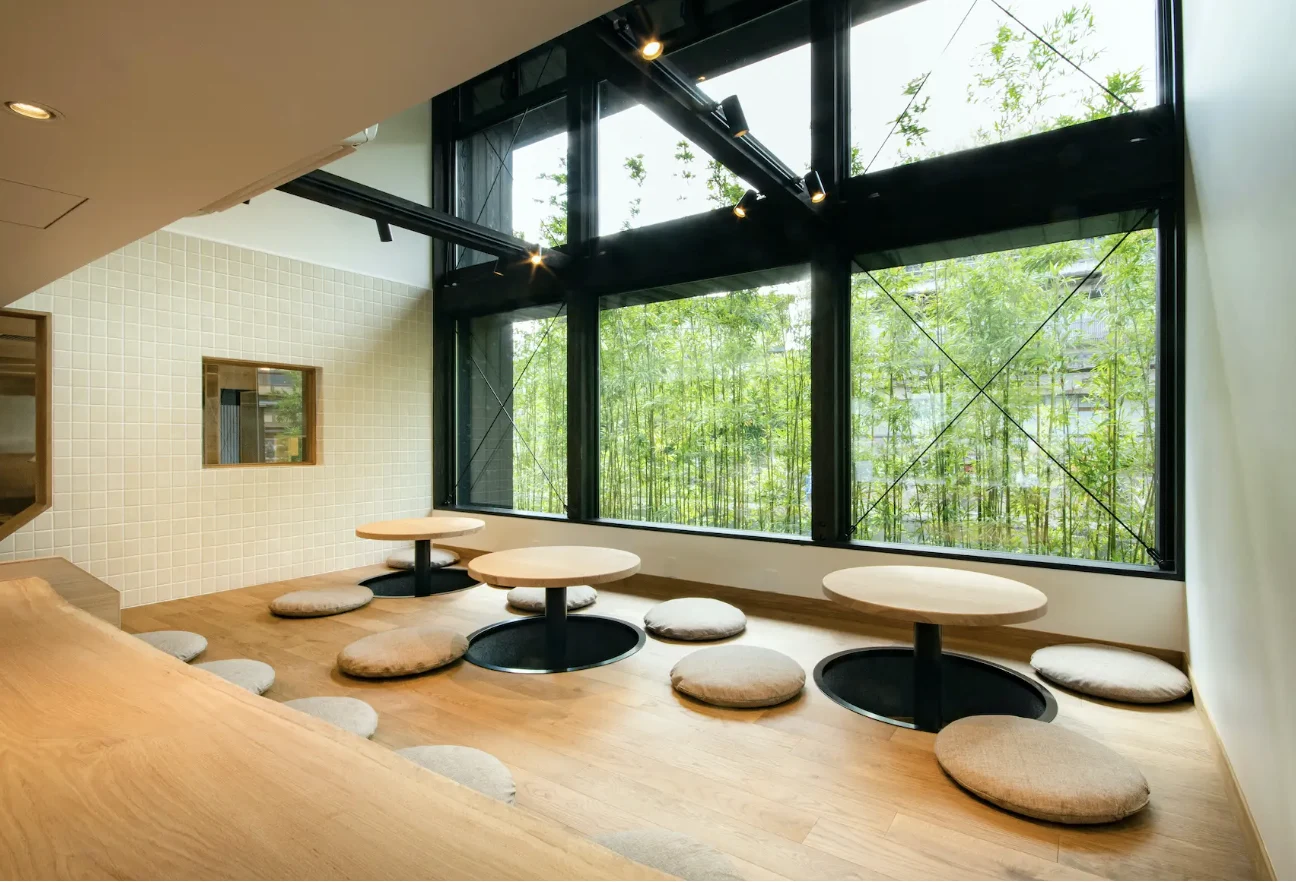
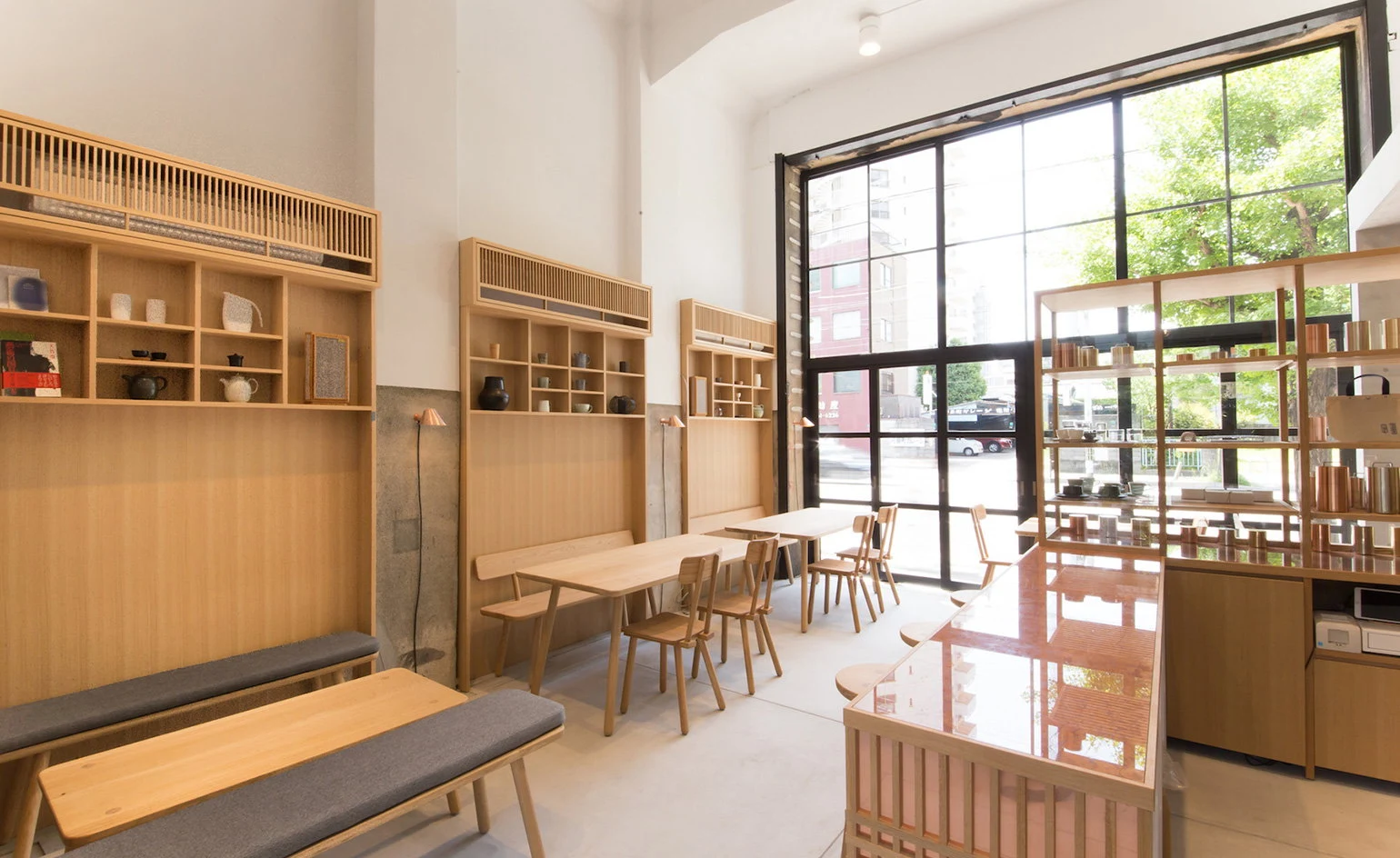
This is not a standalone neighborhood coffee shop and does not behave like one. The café faces the green promenade along the west side of the building, so a visit runs together with browsing the shop, walking through an exhibition or looking into the archive. Objects, craft and contemporary design are the immediate neighbors rather than other cafés. What the whole operation is after is a small sense of specialness in daily things, natural colors and forms, traditional handcraft methods, plain functionality, and the café follows that line through its drinks, sweets and light dishes. Small dogs are welcome, which keeps the tone relaxed inside an otherwise composed setting.
Order the hand-drip coffee first
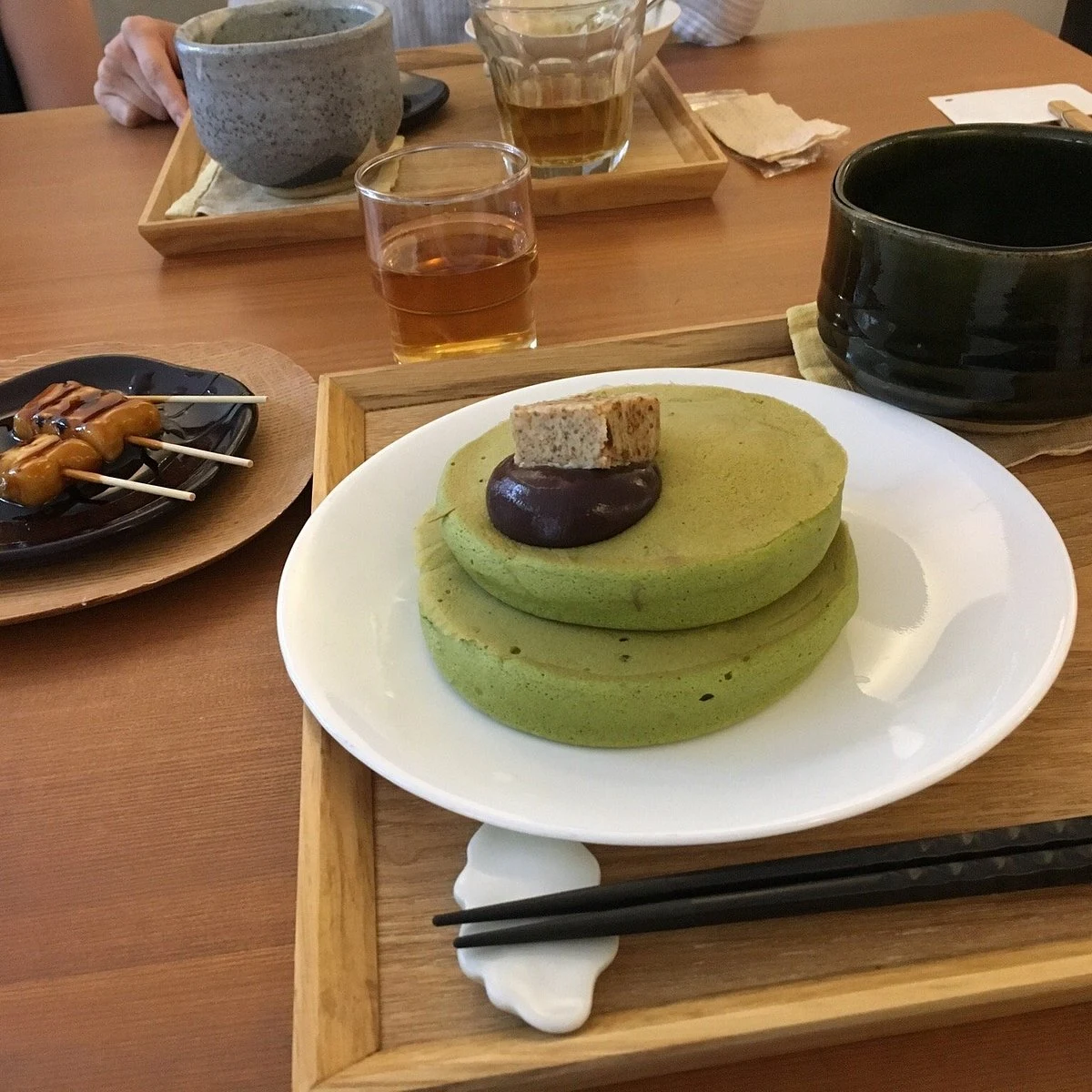
Start with the hand-drip. It is the most process-driven thing on the menu, beans ground fresh and brewed to order rather than poured from a batch, and it tells you how the place thinks. After that the drinks widen out to fresh fruit juices, homemade cordials and natural wine. Those cover most of the day between them, a juice or cordial while working through the exhibitions, a glass of wine at the end of one. The food is Japanese sweets, western sweets, and light meals built on fresh vegetables, which reads as an all-day café rather than a kitchen making a statement. The sequence that works is coffee, then something sweet or vegetable-led, then a cordial, juice or glass of wine depending on how long the visit runs.
Tags
Frequently asked questions
What should I order at Café DOnG by Sfera?
The hand-drip coffee, ground fresh and brewed one cup at a time, which is the most process-driven order in the house. After that the list widens to fresh fruit juices, homemade cordials and natural wine, and the food runs to Japanese sweets, western sweets and light meals built on fresh vegetables.
What else is in the building?
The café is on the ground floor of the Sfera Building in Gion, a cultural base open since 2003 that gathers design, craft, art, food, retail, exhibitions and an archive together. A visit tends to combine a drink with browsing the shop or walking through an exhibition, and small dogs are welcome.
Compare nearby places
| Venue | Type | Area |
|---|---|---|
| ZEN CAFE | Café | Gion |
| Kaikado Cafe | Café | Shimogyo |
| Umezono Cafe and Gallery | Café | Nakagyo-ku |
| ELEPHANT FACTORY COFFEE | Café | Nakagyo Ward |
| Smart Coffee | Café | Downtown / Teramachi Shopping Arcade |