Why go
A hotcake and a cup of coffee, at a table in a room that has not changed much since 1932. That is the whole reason to come, and on most mornings it is more than enough.
A kissaten from 1932
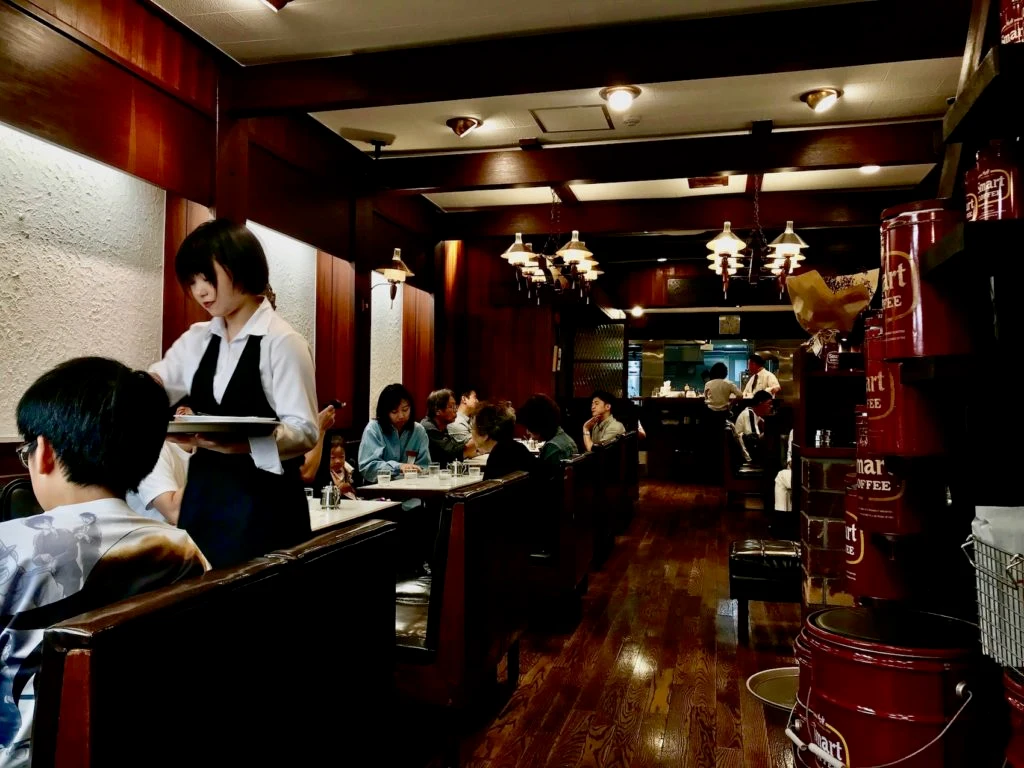
Smart Coffee, スマート珈琲店, opened in Showa 7 and has been a Kyoto Sanjo fixture ever since. The word it uses for itself is kissaten, not café and not roastery, and the distinction carries weight: this is the older Japanese coffeehouse form, where continuity is the product and the room is inherited rather than designed.
The interior carries it. Warm Western-style coffeehouse decor from the founding years, table seating only rather than a counter to perch at, and a pace that predates the specialty coffee movement by several decades. Sitting down is not optional here, which shapes the visit before anything is ordered. Nothing here is a revival, because nothing was ever interrupted. That is a rarer thing in Kyoto than the number of old shopfronts suggests, and it is what separates the place from newer rooms built to look this way.
Coffee first, then the yoshoku side
Coffee is the anchor and the reason the shop carries its name. Around it sits the yoshoku repertoire that Japanese kissaten grew into across the twentieth century, Western dishes adapted to a Japanese kitchen and served with the same unhurried table service the coffee gets.
That combination puts Smart Coffee among Kyoto's institutional coffeehouses rather than among its trend openings. It was ranked ninetieth in the Tabelog 100 for 2022, which is the right kind of recognition for it: a long-running room judged on what it has always done rather than on anything it has recently changed.
Order the hotcakes
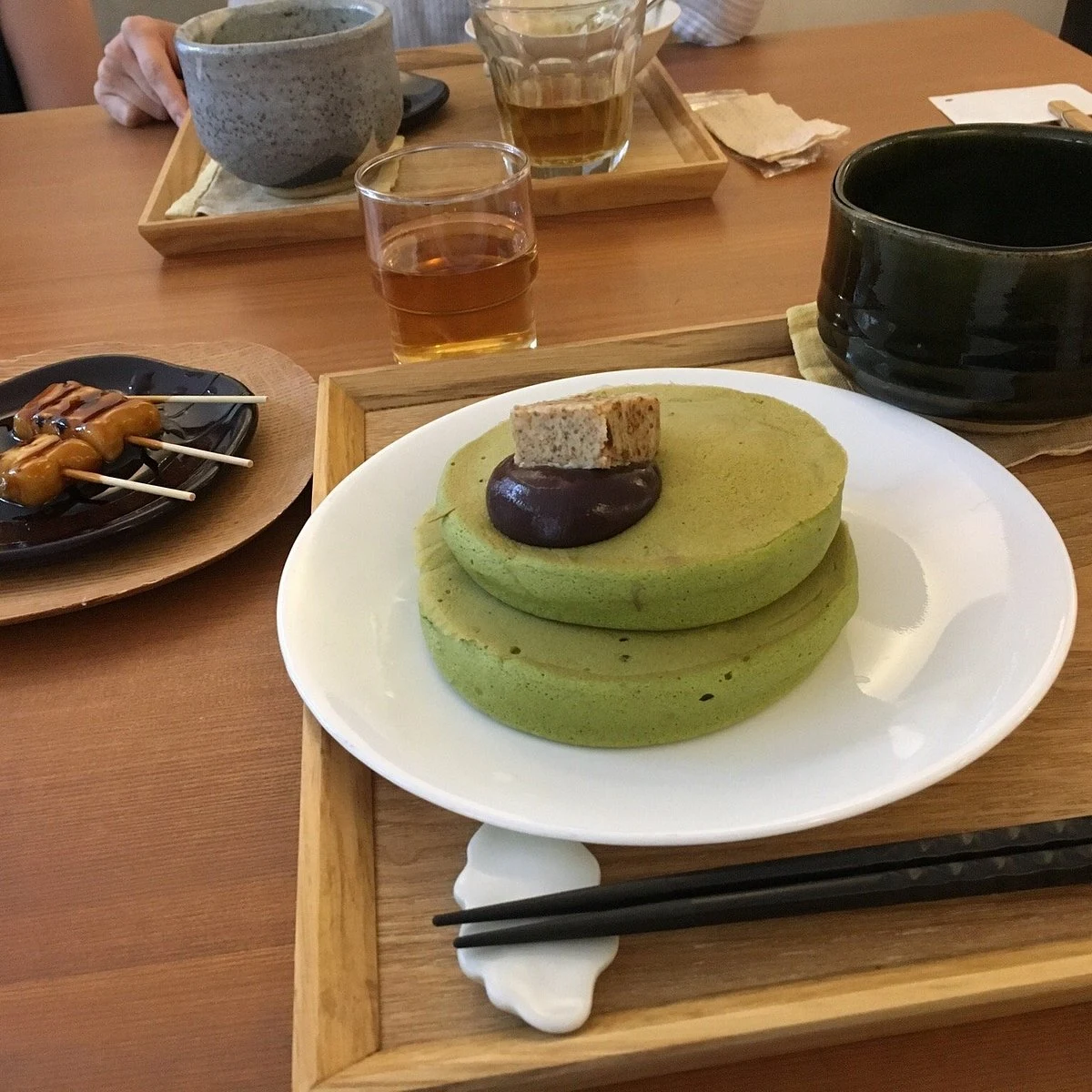
The hotcakes are what people come for and what to order first. They belong to the kissaten tradition rather than to any modern brunch menu, and they are best taken alongside the coffee rather than after it, so the two arrive at the table together.
Beyond that, treat the visit as a pause rather than a meal to plan around. Take a table, order simply, and let the room do the rest of the work. Smart Coffee's appeal is its own longevity, and a visit that moves slowly gets considerably more out of it than one built around a checklist of things to try.
Tags
Frequently asked questions
What should I order at Smart Coffee?
Hotcakes with coffee. They are the dish the kissaten is best known for, and they belong to the older Japanese coffeehouse tradition rather than to a modern brunch menu. Take them alongside the coffee rather than after it, and order simply; the room rewards an unhurried visit more than a long study of the menu.
What is a kissaten, and why does it matter here?
A kissaten is the older Japanese coffeehouse form, predating the specialty coffee movement by decades and built around table service and continuity rather than reinvention. Smart Coffee has been one since 1932, with its Western-style interior preserved from the founding years, which is why the shop is discussed as an institution.
Compare nearby places
| Venue | Type | Area |
|---|---|---|
| Cafe Bibliotic Hello! | Café | Downtown Kyoto |
| Maeda Coffee Muromachi honten | Café | Nakagyo-ku |
| Umezono Cafe and Gallery | Café | Nakagyo-ku |
| Cafe Karirenge | Café | Nakagyo-ku |
| ELEPHANT FACTORY COFFEE | Café | Nakagyo Ward |