Nakagyo-ku

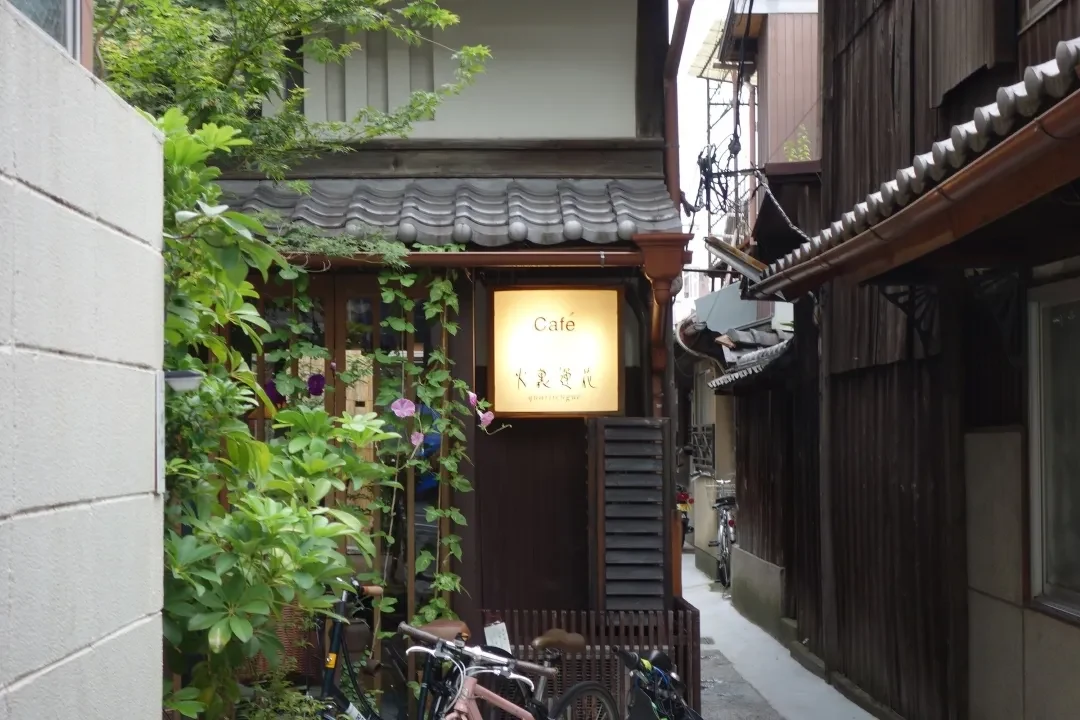
Cafe Karirenge

Cafe4.2 on GoogleAbout $10 a head
Cafe Karirenge

Why go

Kyoto’s better cafe rooms announce themselves quietly: narrow frontage, domestic rhythm at the door, and an afternoon shaped by deliberate choices. Cafe Karirenge fits that register: not spectacle or chef-theatre, but an older Kyoto habit, a small room serving several roles at once: lunch stop, cake counter, solo refuge and meeting point. In a city where dining talk often turns to kaiseki formality, cafes have their own grammar, rewarding patience over itinerary-hopping.

Read this address through progression. Kyoto cafe meals are rarely framed as tasting menus, yet sequence matters: savoury first, sweetness after, drink as punctuation rather than accessory. Cafe Karirenge’s listed categories, cafe, curry and cake, place it in that compact afternoon arc. The format is modest in price but culturally weighty. Kyoto has long treated confectionery, tea rooms and kissaten-style spaces as serious daily dining, and a cafe holding lunch and dessert in one sitting belongs to that tradition.

Curry, cake and the Kyoto afternoon sequence

The city’s cafe culture sits between old kissaten habits and contemporary dessert-led rooms. It is less about speed than pacing. Curry gives the meal gravity; cake shifts the register; a drink closes the loop. That structure explains why a small cafe can carry more editorial interest than a longer menu elsewhere. The appeal is compression: a few categories doing several jobs across the afternoon.

Cafe Karirenge’s recognition in Tabelog Cafe WEST “Tabelog 100” 2025 matters because cafe awards in Japan tend to surface places regular diners already understand. The same listing shows prior cafe-category selections in 2021 and 2022, giving the address continuity rather than a single-season spike. A Tabelog score of 3.68 reinforces that position in a competitive local category, especially in Kyoto, where small specialist rooms attract serious attention without resembling destination restaurants.

That distinction helps travellers. Kyoto’s formal tier is anchored by kaiseki houses such as Iida, Isshisoden Nakamura and Muromachi Wakuden, where seasonality, room ritual and service cadence dominate. A cafe like this works at the other end of the day: shorter, less ceremonial, and dependent on precise afternoon rhythm. The comparison is not hierarchy, but choosing the right format for the hour.

Kyoto also rewards category-switching. A visitor might build one day around a serious counter, another around old sweets, and another around curry and cake rather than a long lunch. Cafe Karirenge earns attention because its meal shape fits between gallery time, shopping streets and central Kyoto’s residential lanes. For context on the city’s dining tiers, Our full Kyoto restaurants guide maps the range from casual staples to reservation-led rooms.

A small-room cafe, not a grand restaurant performance

Scale matters. Nineteen seats, including table and counter seating, place the experience closer to Kyoto’s domestic cafe language than a high-volume coffee hall. That size changes service cadence, queue etiquette and how guests occupy the room. The request not to block neighbouring entrances reflects Kyoto dining rooms woven into residential streets, where public appetite and private life sit close together.

This is why “cafe” in Kyoto can mislead first-time visitors. It does not simply mean coffee and a quick seat. In the right address, it can mean compact lunch, dessert stop, quiet solo hour or low-key social meal. Cafe Karirenge’s family-friendly and solo-friendly signals place it in that flexible middle ground. It is less formal than 3TOKU6MI Shijo karasuma ten, less grab-and-go than 551蓬莱, and more cafe-centred than dessert pilgrimage stops such as Aburi Mochi Honke Nemoto Kazariya.

The stronger Kyoto cafe itinerary pairs scale with mood. [ki:], Abbesses and Cafe Karirenge show different versions of the city’s smaller dining formats, where the decision is less about a grand meal than how much structure the day needs. Travellers can cross-reference dining with Our full Kyoto hotels guide, then treat cafes as part of the day’s architecture rather than a fallback between temple visits.

There is a broader Japanese pattern too. Regional cafe and casual dining scenes often hold serious local identity in compact formats, from.cafe in Osaka to.know in Kumamoto. Curry has its own specialist logic, visible at places such as [Curry Senmon Ten] Maruyama Kyoju. in Sapporo, while casual Japanese formats travel differently abroad, as seen at Jōdo Saké Bar in Los Angeles and Onigiri Time in Pasadena. Kyoto’s version is quieter and more room-dependent, precisely the point.

How to place it in a Kyoto day

The address works well as an afternoon anchor, not a substitute for Kyoto’s formal dinner culture. Its JPY 1,000 to JPY 1,999 price band keeps the decision light, but the no-reservations format makes timing part of the plan. The cafe opens during the day, with shaved ice listed from 13:30, so read it as lunch into dessert, not dinner replacement.

Payment and access details shape expectations. Credit cards and electronic money are not accepted, while PayPay is listed, so cash remains safer for visitors. There is no parking, and the nearest-station context places it in central Kyoto’s walkable grid rather than a car-led dining plan. Treat it as a small Kyoto cafe with local manners, not a tourist-facing all-day restaurant.

For the rest of the day, the city divides cleanly by appetite. Bars belong later, covered in Our full Kyoto bars guide. Cultural programming and guided formats sit separately in Our full Kyoto experiences guide. Wine travel is not Kyoto’s dominant identity, but Our full Kyoto wineries guide helps readers extending the itinerary beyond restaurants. Outside Kyoto, the Japanese casual spectrum stretches from (Shoku) Vietnam in Kawasaki to. 鮪と炭火焼き うお炭 秋葉原店 in Tokyo and -Grilled beef Sukiyaki- KAMAKURA TANUKIAN 鎌倉 たぬき庵 in Kamakura, but Kyoto cafe culture remains distinct because it asks for slower attention in smaller rooms.

The verdict is editorial rather than extravagant: Cafe Karirenge is compelling when the day calls for a compact, sequenced Kyoto cafe meal, not a showpiece reservation. Its credibility comes from category recognition, small-room discipline and a format that lets curry, cake and drink do more work than their modest labels suggest.

Tags

CozyHidden GemClassicTrendySoloCasual HangoutAfter WorkBrunchStandaloneDesign DestinationHistoric Building
Cafe Karirenge — Artefice