Why go
Approaching the Kawaramachi-Sanjo stretch, Kyoto shifts from temple-city postcard to working downtown: shopping arcades, municipal offices, river-bound foot traffic, and cafés that serve as daily infrastructure rather than design statements. The kissaten belongs to that rhythm. It is not built around a long tasting menu, yet it has a progression: morning coffee, a small breakfast plate, a slower second cup, and the drift from solo regulars to pairs of friends. Rokuyosha Coffee Ten keeps that sequence accessible rather than ceremonial.
Kyoto dining is often flattened into kaiseki, tofu, tea, and counter omakase, but its coffee rooms tell another story. Kissaten are urban pause points, where service matters less for novelty than for tempo. A breakfast visit has a beginning, middle, and exit: the first order anchors the table, conversation settles, and unhurried seating gives the visit more structure than the price suggests. That is the appeal, especially for travelers trying to understand Kyoto beyond reservations-heavy dining.
A kissaten sequence built around coffee, breakfast, and time
The category matters. A kissa, or Japanese coffee shop, is not interchangeable with a third-wave café. Its grammar is older: table service, lingering, practical food, and coffee as daily ritual rather than technical manifesto. In Kyoto, it gives the day a soft opening before Nishiki Market crowds thicken, before gallery hours, or after an early Kamo River walk. The point is not a parade of courses; it is a controlled progression from caffeine to food to conversation.
Rokuyosha Coffee Ten’s recognition places it inside the national kissaten conversation, not just the local café circuit. It was selected for Tabelog’s Kissaten “Tabelog 100” in 2021 and 2022, and carries a Tabelog score of 3.65. These are not Michelin-style luxury signals and should not be read that way. They indicate value within a Japanese genre where regularity, atmosphere, and category fidelity matter. For visitors, the distinction is useful: this is a coffee-shop benchmark, not a fine-dining detour.
The price tier sharpens that point. With the listed average at JPY 999 or under, it sits below nearby sit-down meals that quickly move into multi-thousand-yen territory. In the immediate comparison set, Umezono Kawaramachi ten also occupies a sub-¥1,000 band, while Kissa Ashijima and Rokuyosha Chika ten sit higher, around JPY 1,000 to JPY 1,999. Istanbul Saray operates in a different dining lane at JPY 3,000 to JPY 3,999 for dinner. That spread explains why this address fits easily into a Kyoto day rather than anchoring it.
Why the room matters more than novelty
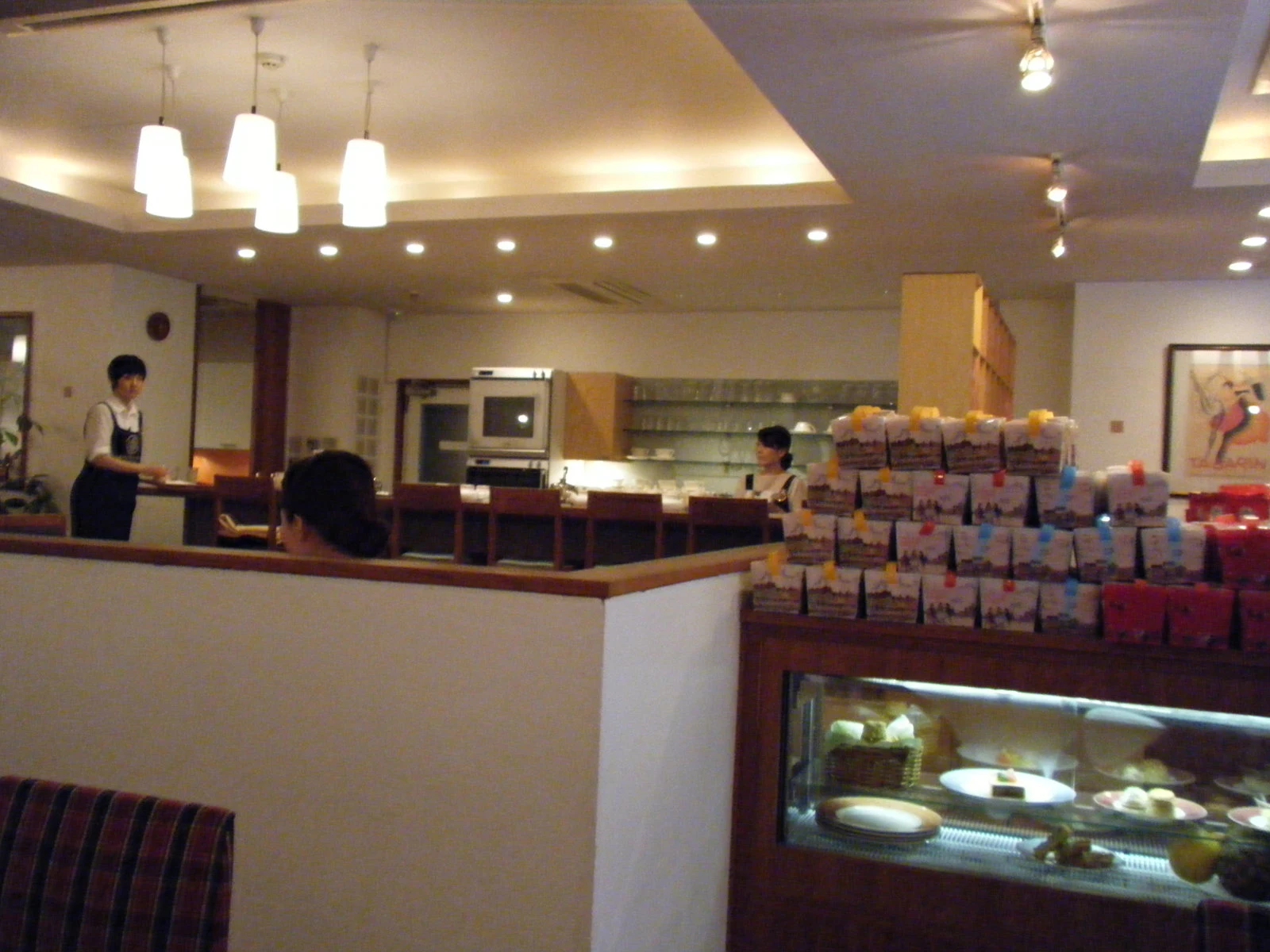
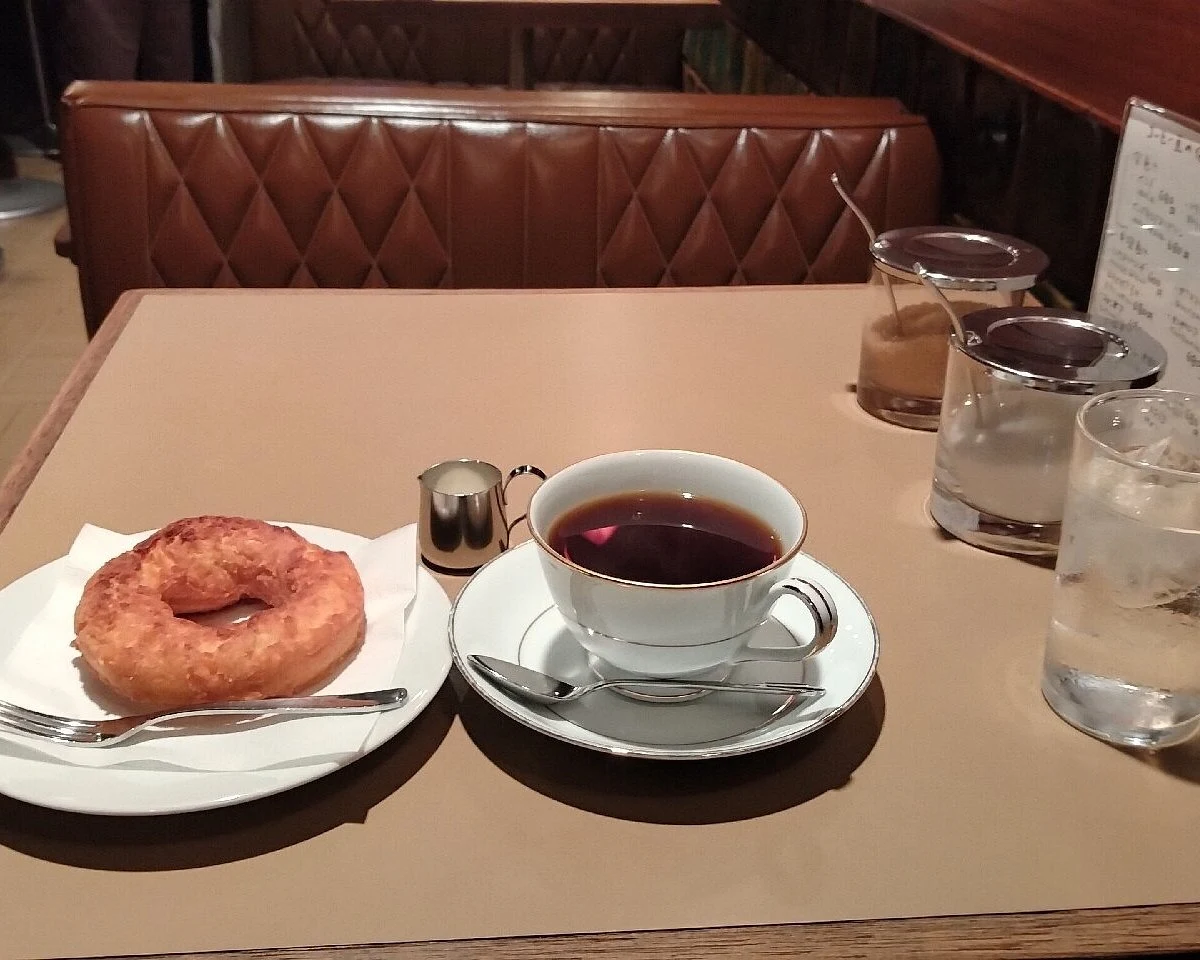
Kyoto’s older coffee shops are strongest when they resist reinvention. The city has enough places asking visitors to decode seasonality, lineage, and etiquette. A kissaten lowers the temperature. Here, sofa seating and a relaxed room format support the category’s central promise: sit down, order simply, and stay within the pace of the room. The sensory claims should stay modest because the format is modest; the value lies in duration, not performance.
That restraint gives the visit a different role from Kyoto’s formal meals. A traveler can use it as a calibration point before dinner, a place to see local leisure when no chef’s counter directs the narrative. The Tabelog 100 Kissaten selections validate that everyday register. They put a low-cost coffee room in the same planning conversation as more expensive dining, not because it competes on luxury, but because it represents a Japanese hospitality form often overlooked when itineraries chase set menus.
The no-reservations policy also shapes the experience. Planning ahead means choosing the right moment, not securing a seat weeks in advance. Breakfast availability gives the morning slot practical weight, and the smoking policy affects comfort: smoking is allowed, with smoking prohibited only during the morning period from 8:30 to 12:00. For smoke-sensitive travelers, the earlier window is cleaner. Payment is another old-school signal: credit cards, electronic money, and QR code payments are not accepted. Bring cash and treat the visit as part of Kyoto’s analog layer.
How to place it within a Kyoto itinerary
The location near Kyoto Shiyakusho Mae and the Kawaramachi-Sanjo area makes the coffee shop a hinge between neighborhoods. It can start a day before central shopping streets, break up a museum or gallery route, or sit between river walks and evening plans. From Kyoto Shiyakusho Mae Station, the listed distance is 281 meters, and Sanjo Keihan Station is about a five-minute walk. There is no parking, reinforcing the obvious: this is a public-transport and walking stop.
For a broader Kyoto food day, the contrast is productive. A casual morning here can precede sweets at Aburi Mochi Honke Nemoto Kazariya, a more contemporary meal at [ki:], or a French-leaning table such as Abbesses. Around the city, 3TOKU6MI Shijo karasuma ten and 551蓬莱 show how Kyoto itineraries can move between quick comfort, specialist formats, and long-form dining without forcing every stop into the same register.
Readers building a wider Japan route can compare casual daytime food across cities through.cafe in Osaka,.know in Kumamoto, [Curry Senmon Ten] Maruyama Kyoju. in Sapporo, (Shoku) Vietnam in Kawasaki,. 鮪と炭火焼き うお炭 秋葉原店 in Tokyo, and -Grilled beef Sukiyaki- KAMAKURA TANUKIAN 鎌倉 たぬき庵 in Kamakura. For North American Japanese-format references, Jōdo Saké Bar in Los Angeles and Onigiri Time in Pasadena sit in a different cultural frame but help clarify how Japanese casual forms travel.
Use the city guides for the wider edit: Our full Kyoto restaurants guide, Our full Kyoto hotels guide, Our full Kyoto bars guide, Our full Kyoto wineries guide, and Our full Kyoto experiences guide. Rokuyosha Coffee Ten earns its place in that mix by doing something Kyoto travel often needs: it slows the day without inflating the occasion.