Why go
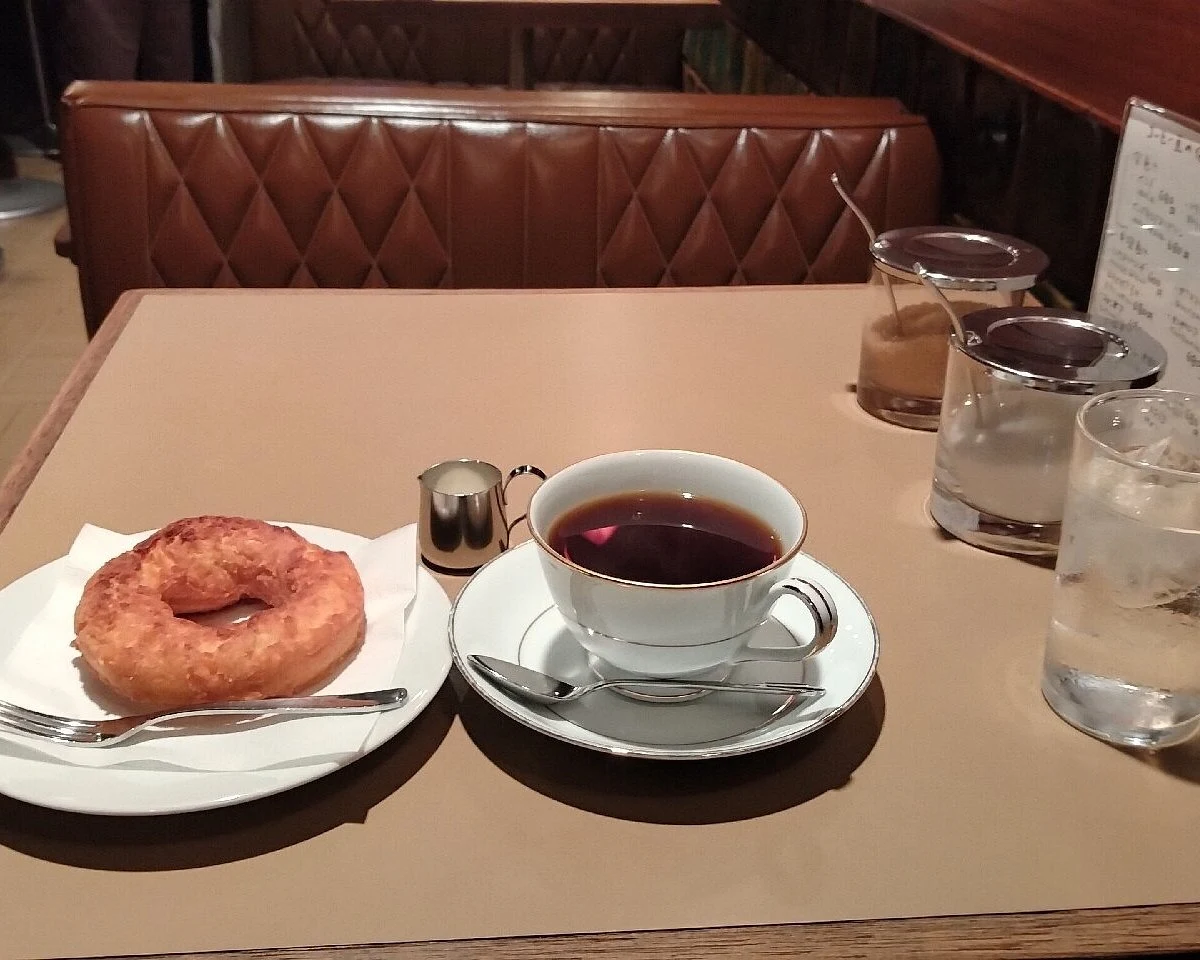
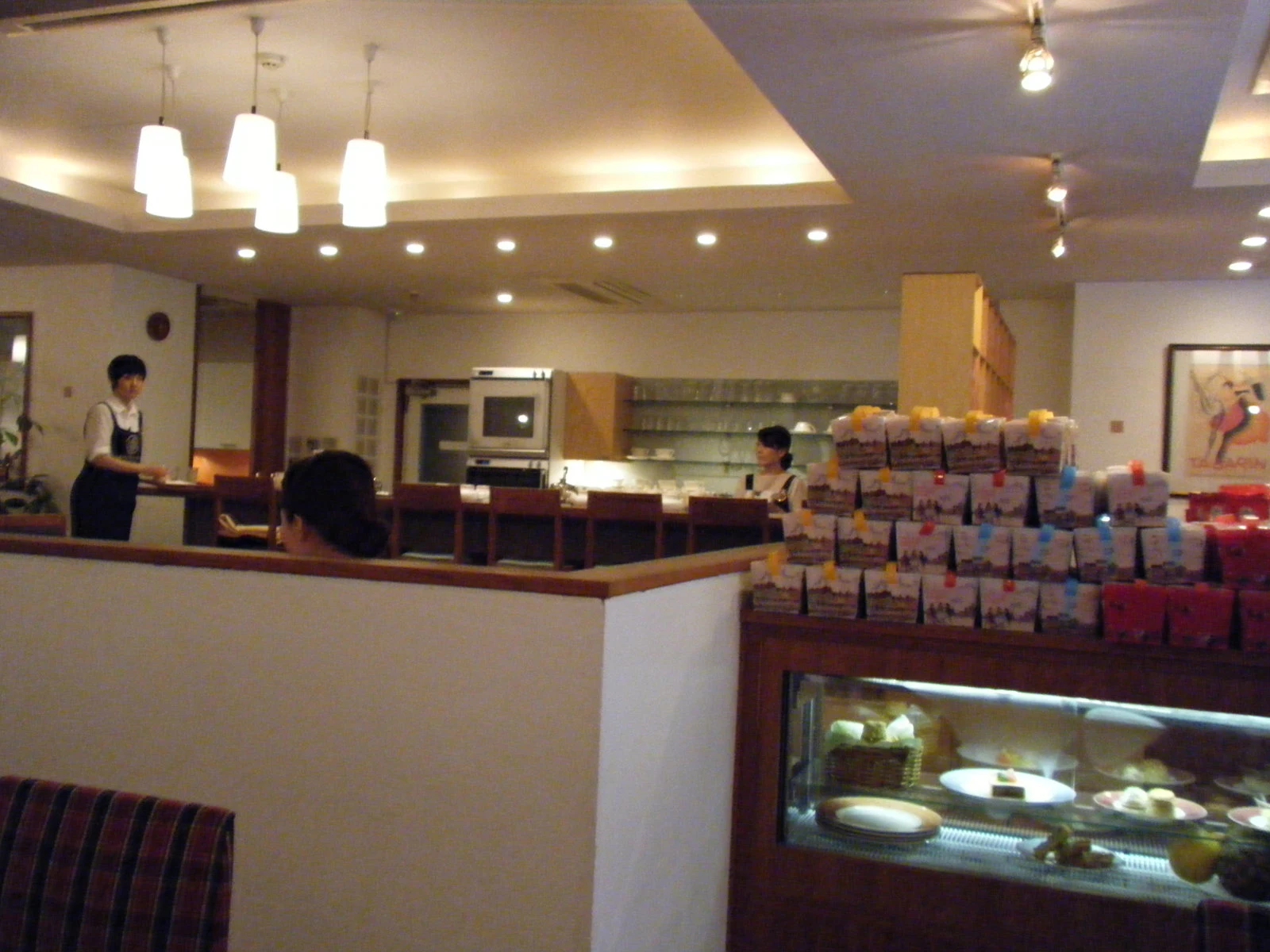
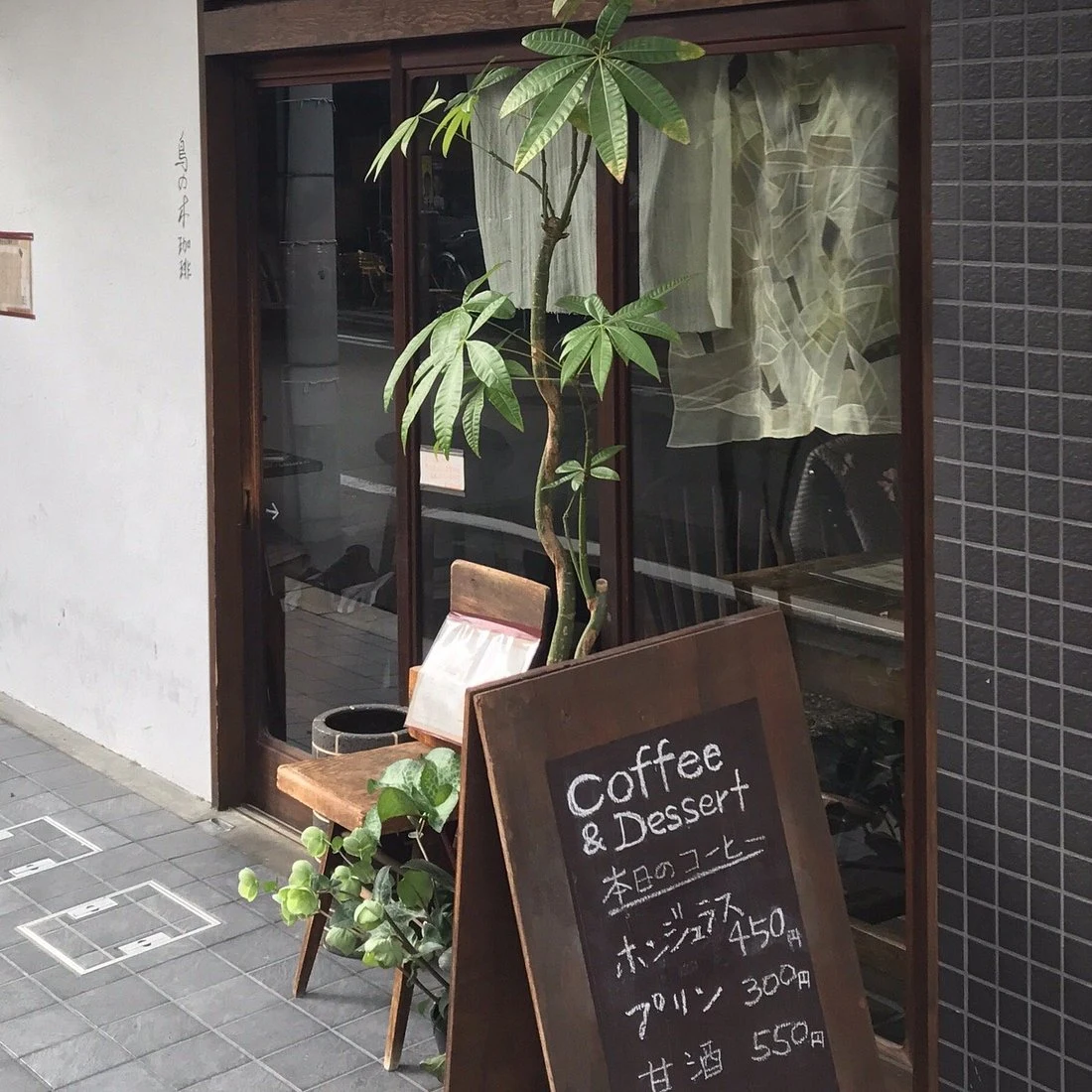
Approaching a Kyoto coffee room of this scale changes the tempo before the first cup. The city’s cafe culture rewards lowered voices, compact rooms, and a ritual closer to tea than to the transactional espresso bar. Torinoki Coffee belongs to that smaller register: an 11-seat cafe with counter seating, a non-smoking room, and a pace that suits solo drinkers as much as small family stops.
Kyoto can make coffee feel deceptively simple. Behind the casual category sits a city trained by tea service, confectionery timing, and neighbourhood regularity. The serious cafe is not an afterthought between temples; it is a controlled interval in the day. Recognition from Tabelog Cafe WEST 100 in 2025, with earlier Cafe 100 selection in 2021, places this address inside a crowded western Japan cafe field where consistency matters more than spectacle.
A Kyoto coffee ritual built for quiet intervals
The point here is not theatrical service. It is the old Kyoto habit of making small spaces work hard: a few tables, a few counter seats, and a room designed around duration rather than churn. The format rewards a visitor who can accept the cadence of a cafe instead of forcing restaurant expectations onto it.
That matters in Nakagyo-ku, where the dining day often divides between reservation-led restaurants and lower-key stops that carry equal cultural weight. In a city where a soba counter such as Saryo Tesshin and a French room such as HUNTER occupy different price and pacing bands, the cafe sits in its own lane. It asks less of the wallet and more of the guest’s patience with silence, waiting, and the etiquette of a compact room.
The no-reservations format sharpens that etiquette. Small Kyoto cafes do not operate like hotel lounges, and the group limit here signals the same logic: keep the room usable, protect the pace, and avoid turning a coffee stop into a party booking. For travellers building a food day around heavier meals, that makes the cafe useful as a controlled pause between appointments rather than a substitute for lunch or dinner.
How it fits Kyoto's broader dining day
Kyoto’s premium conversation often bends toward kaiseki, counter sushi, French tasting menus, and temple-adjacent sweets, but coffee has become one of the city’s quieter quality markers. The better cafe addresses tend to be small, specific, and unforgiving of sloppy timing. Torinoki Coffee’s low listed spend bracket and Tabelog score of 3.63 create a different value proposition from dinner rooms such as Nakamitsu, Cucina Italiana Todo, or Ludens: this is a low-cost, high-discipline stop in a city where the day’s softer intervals can be as revealing as the formal meal.
That distinction is useful for readers comparing Kyoto addresses. A sweets tradition such as Aburi Mochi Honke Nemoto Kazariya tells one story about inherited taste; a contemporary restaurant such as [ki:] tells another about modern dining formats. Coffee occupies the middle ground: less ceremonial than tea, less meal-driven than restaurants, but still governed by timing and restraint.
For a wider Kyoto itinerary, the cafe pairs naturally with nearby restaurant planning rather than competing with it. Travellers mapping a day around central Kyoto can compare it with casual and specialist addresses such as 3TOKU6MI Shijo karasuma ten, 551蓬莱, and Abbesses. The broader city context sits in Our full Kyoto restaurants guide, with adjacent planning in Our full Kyoto hotels guide, Our full Kyoto bars guide, Our full Kyoto wineries guide, and Our full Kyoto experiences guide.
Who should make room for it
This is a strong fit for travellers who understand that Kyoto’s smaller food addresses often come with rules rather than amenities. Credit cards are not accepted, while electronic money and QR code payments are listed, so the practical rhythm is closer to a neighbourhood cafe than an international dining room. The room is child-friendly, but the group restriction makes it better for pairs, solo drinkers, and small families than for a multi-household stop.
The editorial case is clearest for visitors who already have a restaurant-heavy schedule. After a long lunch or before an early dinner, a serious cafe can reset the palate and the pace. It also gives a more honest view of daily Kyoto than another prestige reservation: the city’s standards are visible in small transactions, quiet rooms, and the expectation that guests adapt to the room rather than dominate it.
Readers extending a Japan food itinerary beyond Kyoto can compare how casual formats shift by city and diaspora context through.cafe in Osaka,.know in Kumamoto, [Curry Senmon Ten] Maruyama Kyoju. in Sapporo,. 鮪と炭火焼き うお炭 秋葉原店 in Tokyo, -Grilled beef Sukiyaki- KAMAKURA TANUKIAN 鎌倉 たぬき庵 in Kamakura, and (Shoku) Vietnam in Kawasaki. Outside Japan, Jōdo Saké Bar in Los Angeles and Onigiri Time in Pasadena show how Japanese drinking and snack formats translate when the surrounding city changes.