Why go
The house blend is the argument here: Tanzania, Guatemala and two Colombian components, each roasted its own way and then put back together. Takagi Coffee Ten works as a Kyoto kissaten and a roaster at once, selling the same 200g blend it pours, and the coffee is built for repetition rather than for a single dramatic cup. It was ranked number 95 on the Tabelog 100 in 2022.
A self-roasted blend for everyday drinking
The Takagi Coffee Blend is presented as a proprietary mix that brings out the individuality of each origin, with weight and richness rather than the brightness of a single-origin showcase. It is made to work black or with milk, which is what makes it a sensible first order: it shows the house style without asking you to choose a style first.
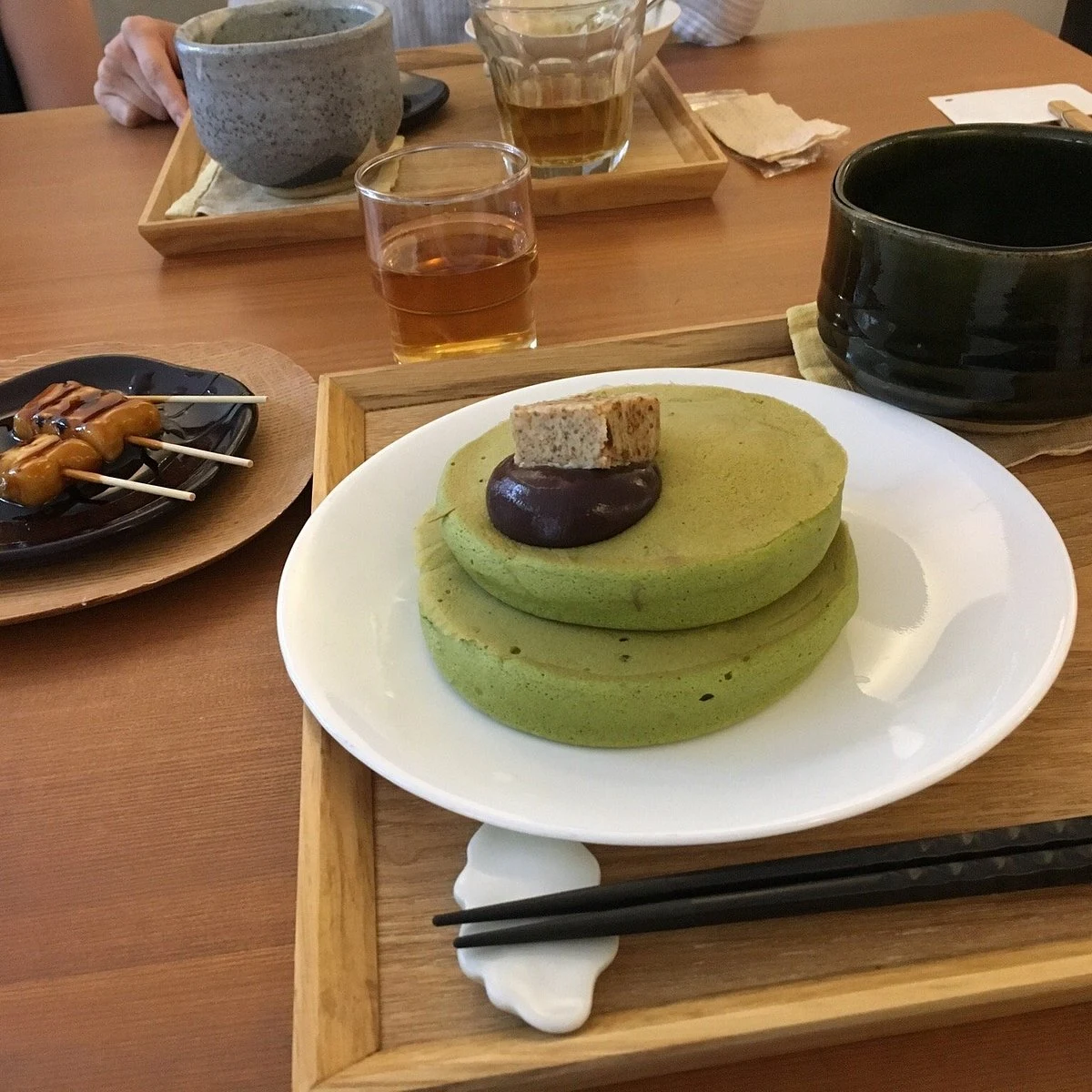
Sweets and lunch sit in the same frame. The blend is positioned as coffee to drink with something sweet, or after a meal, which tells you what the room is for. The Takagi Coffee Ice Blend is the cold counterpart, Brazil and Colombia combined at the green-bean stage and then roasted dark for a deep, fragrant cup that holds up over ice.
A kissaten pace
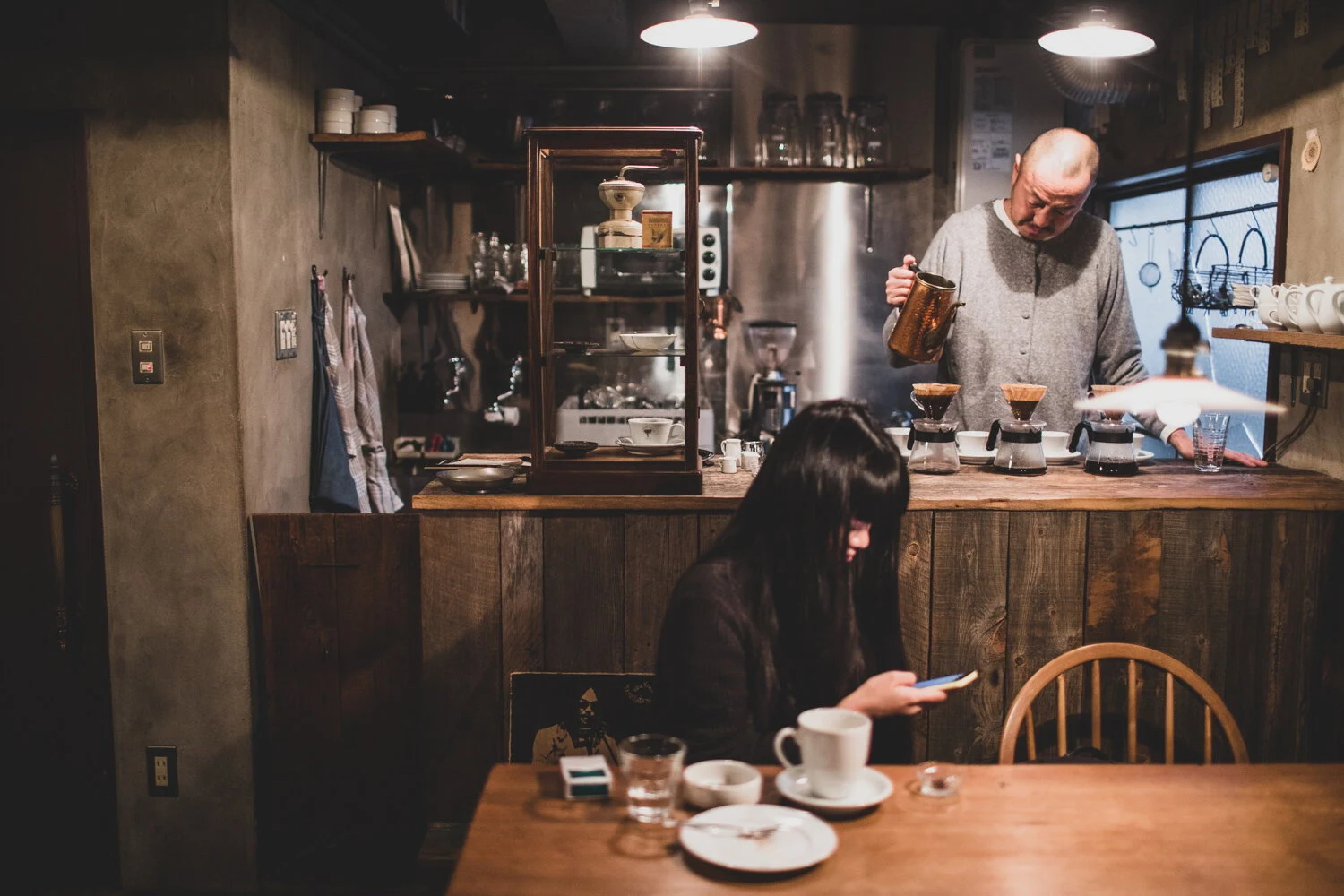
The identity is roasting-led rather than chef-led. Coffee is made with care so guests can take a break, and that phrase describes the service rhythm exactly: calm, practical, easy to repeat on an ordinary weekday.
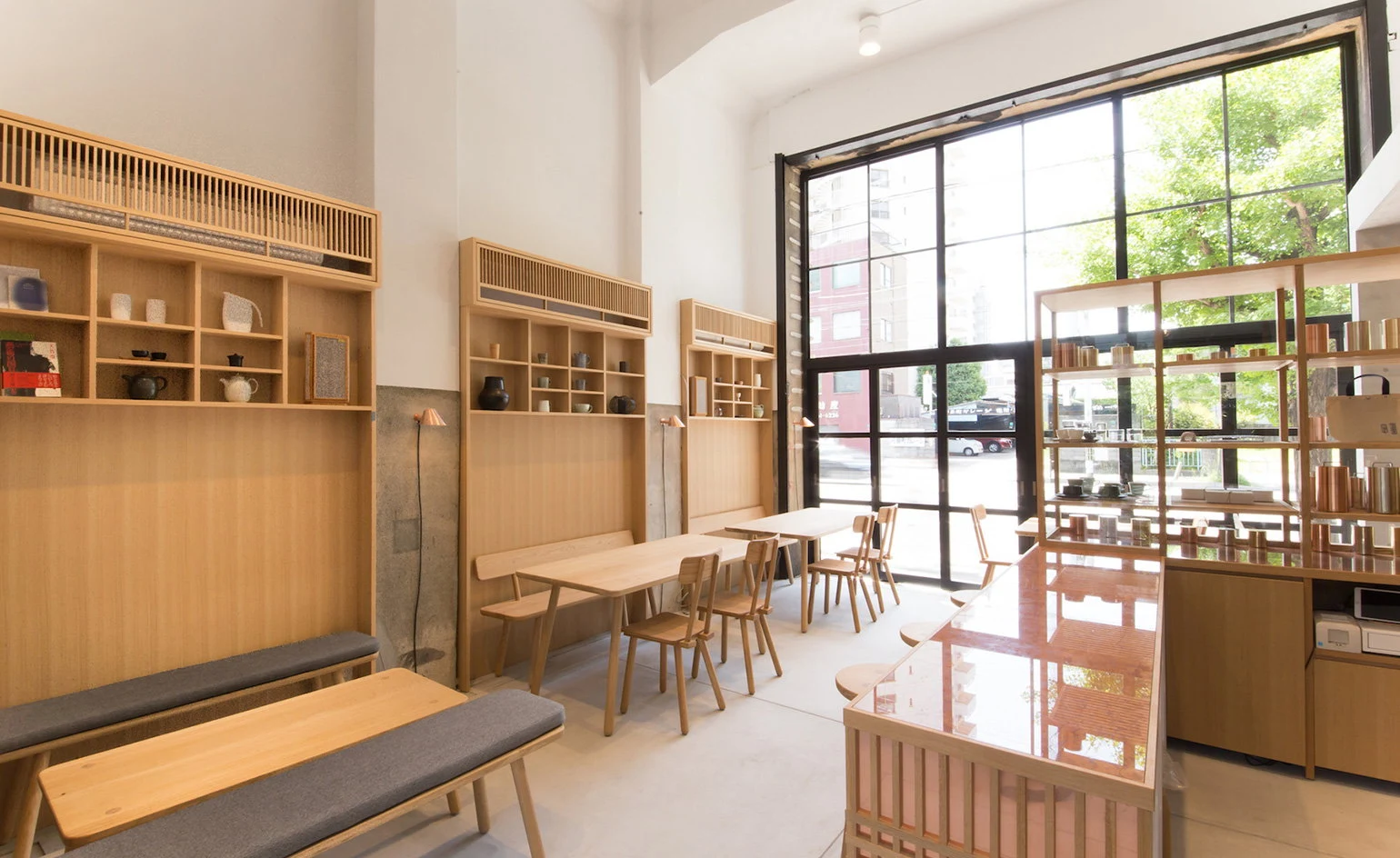
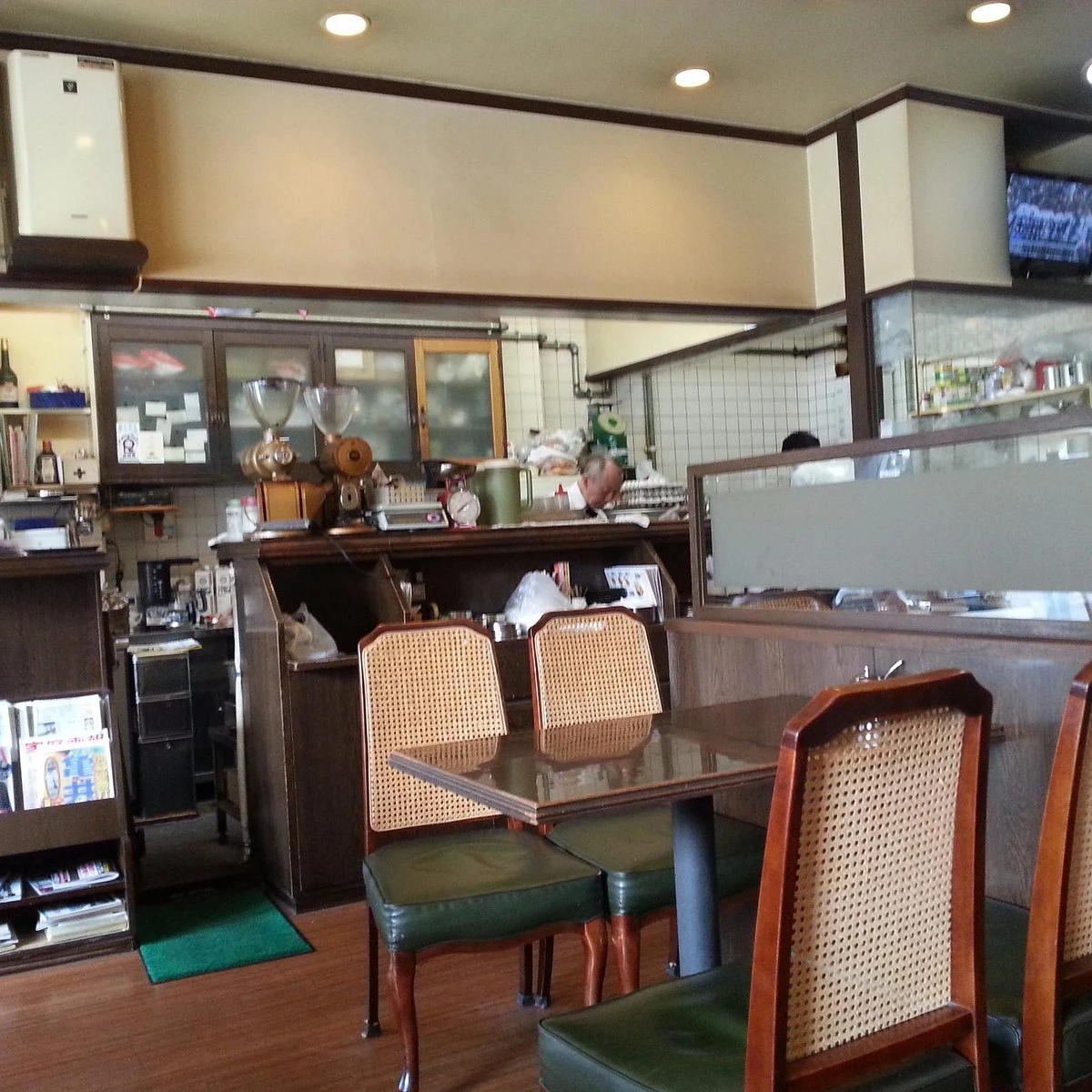
The Kyoto office district around it explains the pattern, especially in summer, when a dark roast over ice becomes the default order. The room is small and traditional, warm and a little retro, suited to a quiet cup rather than a long social afternoon.
Order the blend, then take some home
Start with the Takagi Coffee Blend. The mix of Tanzania, Guatemala and two Colombian roast treatments is the shop's balancing act in one cup: enough body for milk, enough structure for black, enough comfort to sit beside food.
For a cold order, move to the Ice Blend, blended before roasting and taken dark. If you want the same coffee after the visit, the drip bags come hand-packed in a clear box of five, and 200g bags of both blends are on the shelf. That is the whole logic of the place: one house blend, roasted in house, sold in whatever format suits the day.
Tags
Frequently asked questions
What should I order at Takagi Coffee Ten?
The Takagi Coffee Blend, a self-roasted mix of Tanzania, Guatemala and two Colombian components that is made to work black or with milk. In warm weather, the Ice Blend is the cold counterpart, blended from Brazil and Colombia at the green-bean stage and roasted dark so it holds up over ice.
Can I buy the coffee to take home?
Yes. Both house blends are sold in 200g bags, and there are hand-packed drip bags in a clear box of five, which are the easiest format for brewing at home or carrying as a small Kyoto gift. The same coffee that is poured at the counter is what goes into the bags.
Compare nearby places
| Venue | Type | Area |
|---|---|---|
| Kaikado Cafe | Café | Shimogyo |
| Umezono Cafe and Gallery | Café | Nakagyo-ku |
| ELEPHANT FACTORY COFFEE | Café | Nakagyo Ward |
| Rokuyosha Coffee Ten | Café | Nakagyo-ku |
| CLAMP COFFEE SARASA | Café | Nakagyo Ward (near Nijo Castle) |