Why go
Roasting sits behind the café work
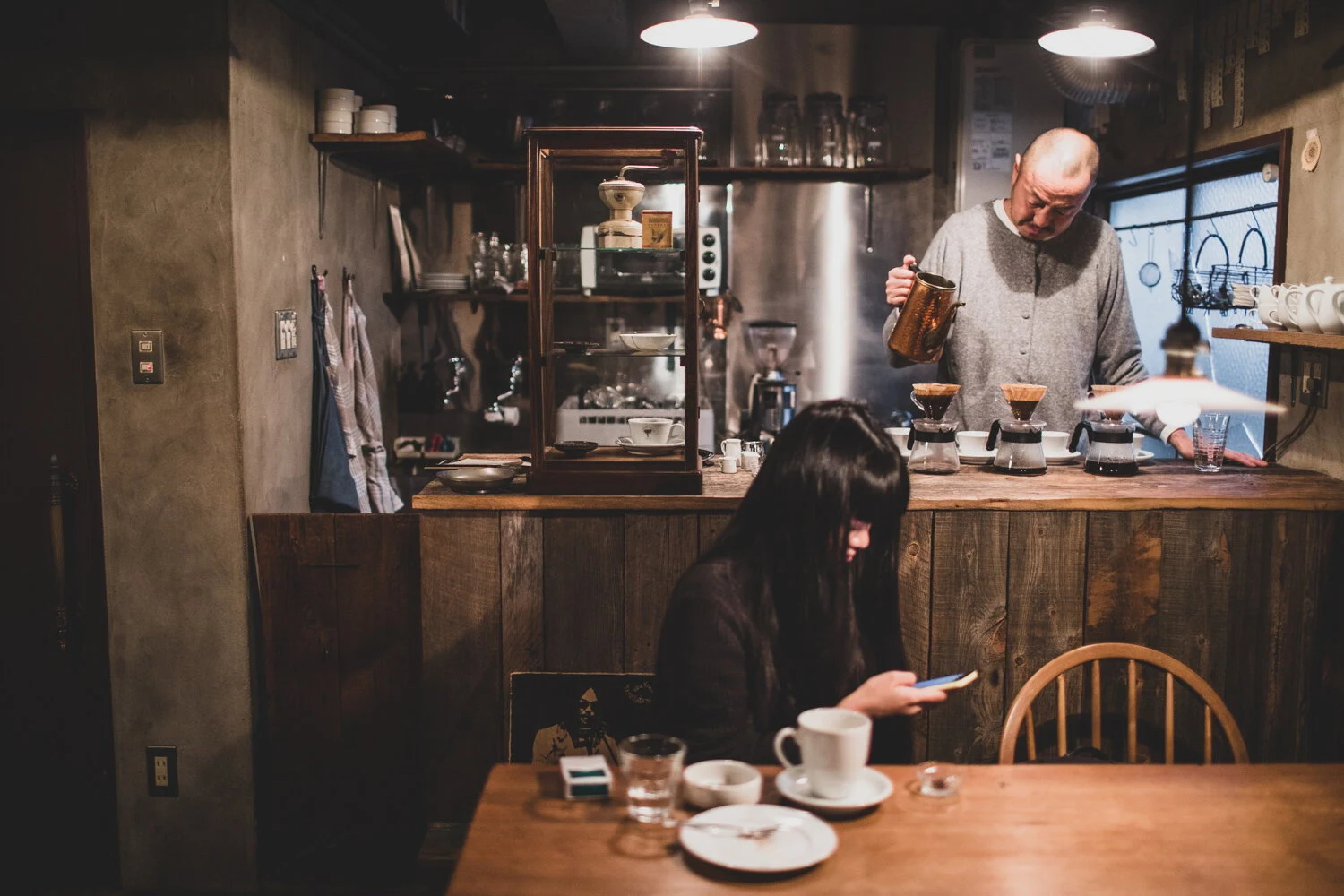
The roaster works at the back of the room, and everything on the counter follows from it. House-roasted filter coffee is the order to start with: it puts the roast in front without complicating anything, and it is the clearest single read on what this place is built around. Kyoto has no shortage of rooms that call themselves coffee shops. This one is a roastery that happens to have chairs.
House-roasted also means the answer to what is on today can change, so it is worth asking rather than assuming. The filter is the format that shows that work most plainly, without milk or sugar standing between the cup and the roast. Take it black and give it time. A filter cup tastes different at the end than it does at the start, and noticing that is most of the reason to order one here rather than an espresso drink.
A quiet room for a measured cup
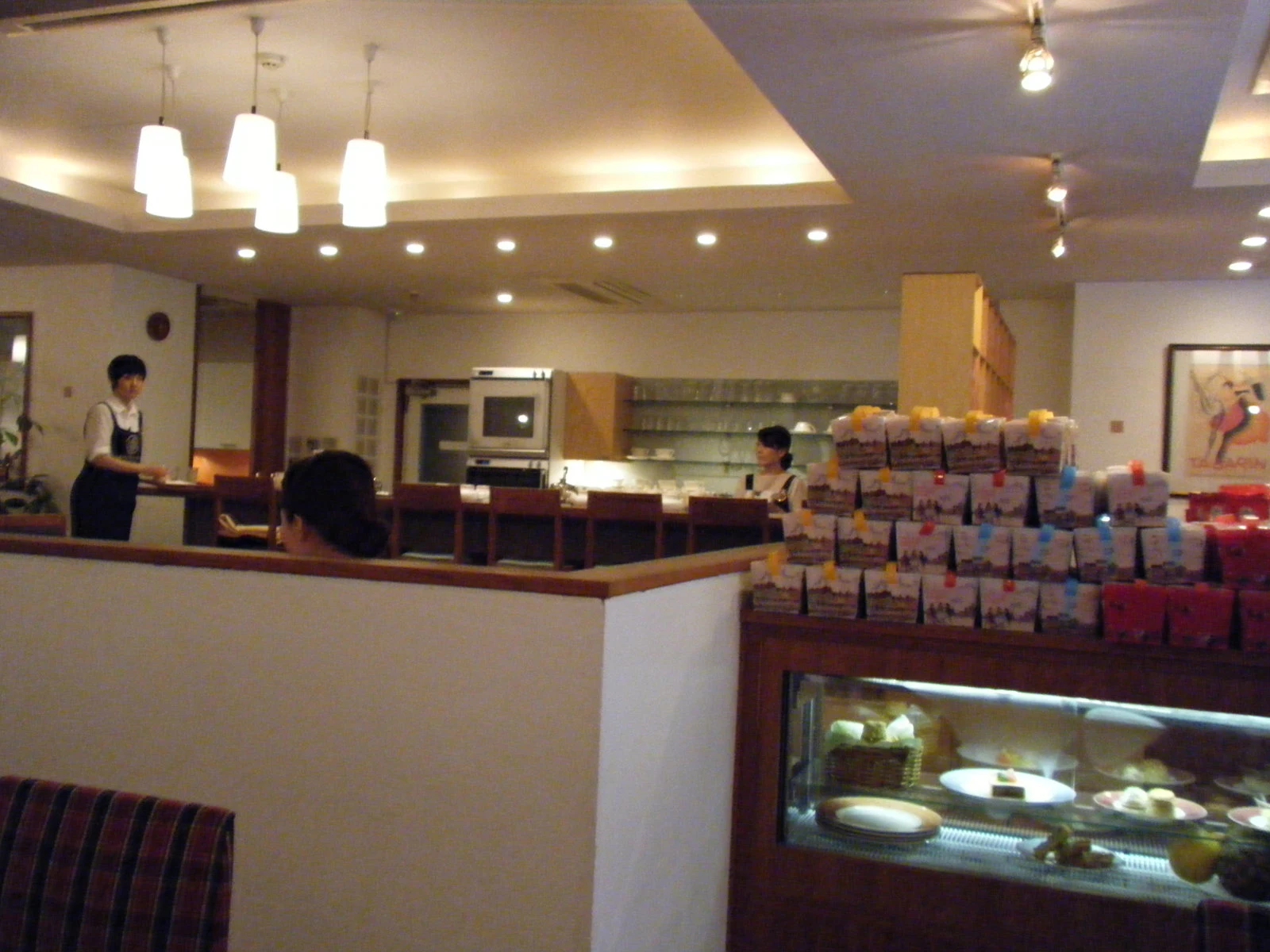
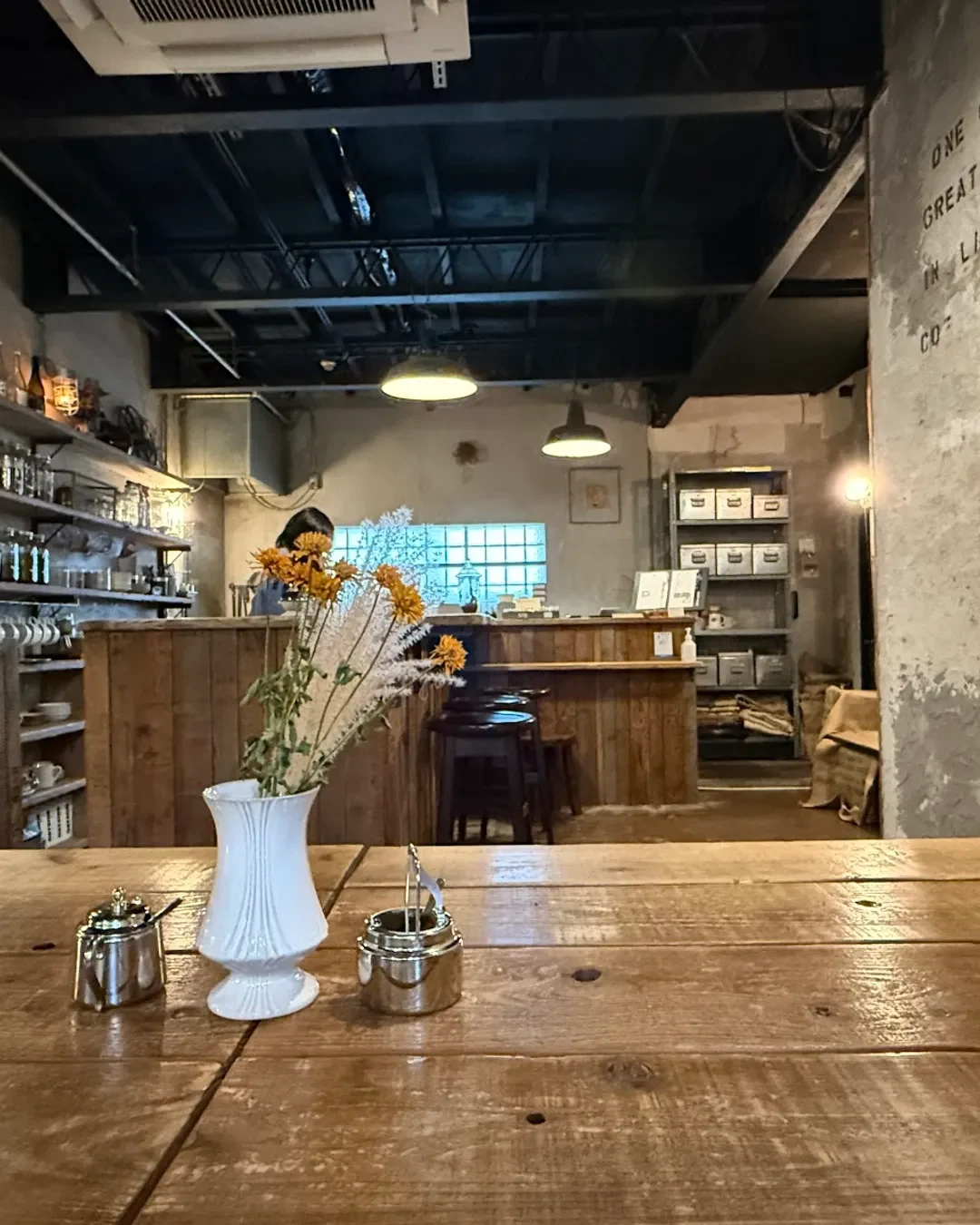
The room is warm and intimate, with a calm, almost hushed atmosphere, closer to a classic Kyoto machiya updated with minimalist touches than to a bright, busy café floor. The useful detail is pace rather than decoration. Nobody hurries the queue along, the light is soft, and the sound and smell of beans working behind the counter set the tempo of the visit.
CLAMP COFFEE SARASA was named at number 57 on the Tabelog 100 for 2025, which is a fair indication of how the room reads to people who take Kyoto coffee seriously. It is not a showpiece and it does not behave like one; the attention goes into the roast and into keeping the room quiet enough to notice it.
Toast, carrot cake and the second cup
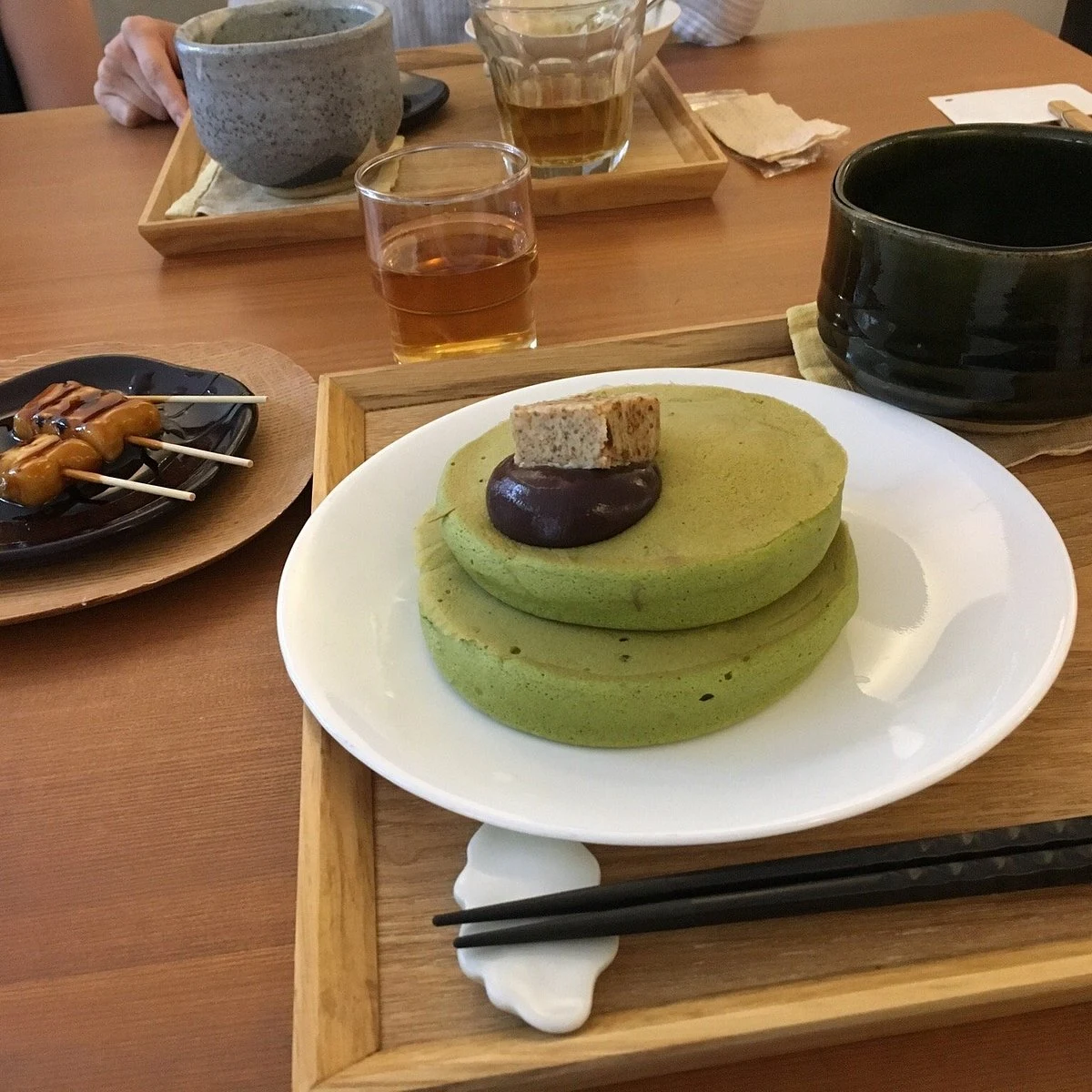
Toast is the other half of the counter, and it runs in both sweet and savoury directions. That split gives it more shape than a plain café sweet, and it is what makes the kitchen useful when the coffee needs a proper plate beside it rather than a biscuit. Order toast with the filter and you have the house in one sitting.
Carrot cake is the other order worth knowing, and it earns its place if the visit turns into a slower second cup. That is the natural shape of a morning here: a first cup taken attentively, something on a plate, then a second cup ordered because the room makes leaving feel unnecessary.
Tags
Frequently asked questions
What should I order first at CLAMP COFFEE SARASA?
Start with the house-roasted filter coffee. The roasting happens at the back of the room and the filter is the most direct read on it, with nothing standing between the cup and the roast. Add toast if you want a plate beside it, in either the sweet or the savoury direction, or carrot cake if the visit is turning into a second cup.
Does CLAMP COFFEE SARASA roast its own coffee?
Yes. Roasting happens on site, behind the counter, and the coffee list is built around it rather than around beans bought in from elsewhere. That is why the filter is the order that shows the house at its clearest, and why the sound and smell of beans working is part of the character of the room.
Compare nearby places
| Venue | Type | Area |
|---|---|---|
| Umezono Cafe and Gallery | Café | Nakagyo-ku |
| ELEPHANT FACTORY COFFEE | Café | Nakagyo Ward |
| Mlesna Tea House Kyoto | Café | Nakagyo-ku |
| Takagi Coffee Ten Takatsuji honten | Café | Shimogyo |
| Cafe Karirenge | Café | Nakagyo-ku |