Nakagyo Ward

SONGBIRD COFFEE

CafeSpecialty Coffee ShopAbout $15 a head
SONGBIRD COFFEE

Why go

Approach the Nijojo-mae side of central Kyoto and the café rhythm changes. The temple-and-machiya image gives way to practical city life: design shops, small lunch counters, coffee rooms, and curry plates for people between errands, museums, trains, and appointments. SONGBIRD COFFEE belongs to that lived-in Kyoto, where a café is not an afterthought between sightseeing stops but part of the city’s daily dining infrastructure.

Kyoto’s serious café culture is often misunderstood from outside. It is not only kissaten nostalgia or photogenic matcha rooms. Strong contemporary addresses often combine daytime coffee, compact meals, solo seating, takeout, and a room that can absorb locals and visitors without theatre. That mixed-use quality is why a café-curry format carries more weight here than in cities with a sharper restaurant-coffee shop divide.

A café-curry format that suits Kyoto's daytime dining habits

Read SONGBIRD COFFEE as part of Kyoto’s café-meal tradition, not as a conventional restaurant. Its listed categories, cafe and curry, place it in a lane that works especially well in Japan: coffee anchors the visit, while the kitchen has enough substance for a meal. For travelers, that matters. Kyoto dining often swings between planned tasting menus and quick snacks; the middle ground, a casual seated meal with credible coffee and a compact savory offer, is where the city’s cafés earn their place.

The 2025 Tabelog Cafe WEST 100 selection gives the address a clear external signal in a crowded field. Tabelog’s café lists help separate regional café culture from the broader restaurant hierarchy; a Kyoto café is judged within a category where consistency, room feel, repeat local use, and light-meal competence matter, not against sushi counters or kaiseki rooms. A 3.60 Tabelog score reinforces that this is a recognized specialist, not a generic coffee stop.

Comparison within Kyoto is instructive. Aburi Mochi Honke Nemoto Kazariya speaks to older snack traditions tied to pilgrimage routes and shrine visits. [ki:] and Abbesses point toward more composed contemporary dining. SONGBIRD COFFEE sits between those poles: not ceremonial, not merely functional, and more useful by day than many addresses built around a single seating or narrow meal period.

The room is part of the argument, not decoration

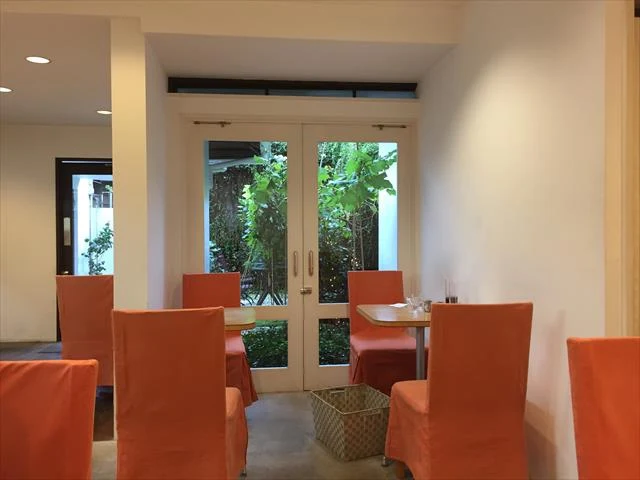
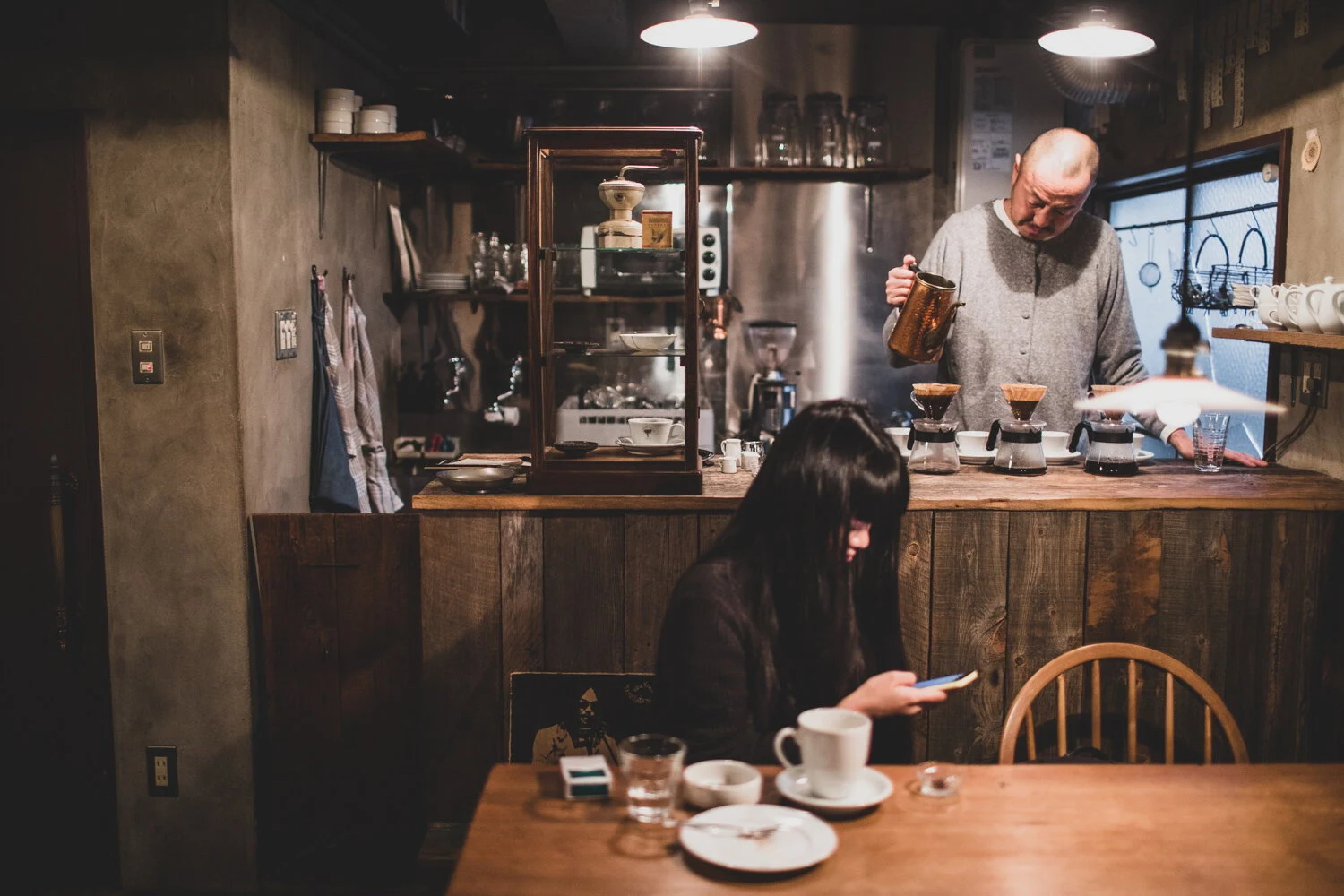
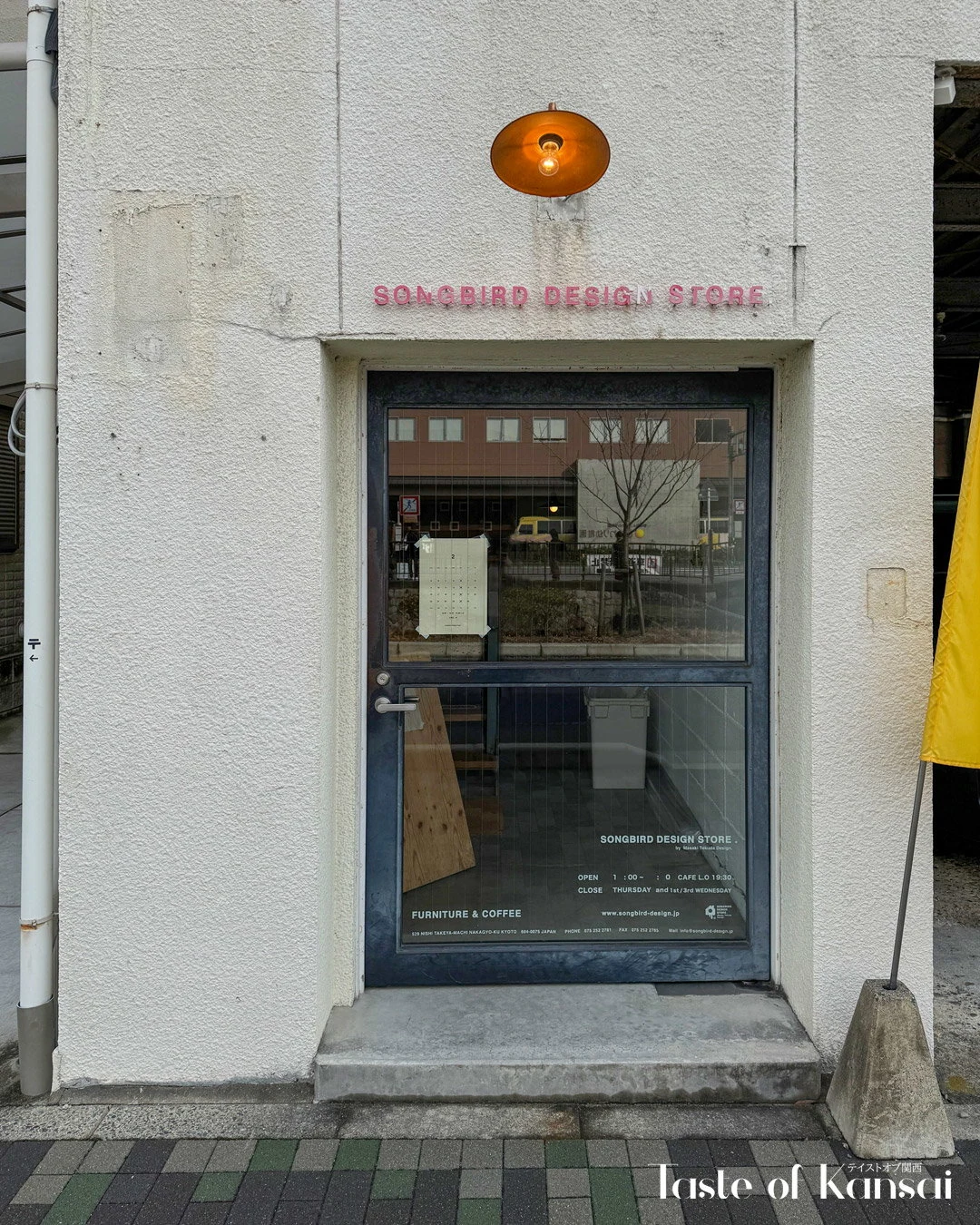
Kyoto rewards rooms that understand restraint. Inside SONGBIRD DESIGN STORE, the setting frames the café as part of a broader design sensibility rather than a standalone coffee bar chasing novelty. Listed facilities include counter seating and more open seating, explaining its range of occasions: solo dining, friends, and family use. It is not a hushed destination room, but a flexible daytime address with enough structure to feel intentional.

The no-smoking policy also matters in Kyoto’s café category. Visitors often underestimate how much practical comfort shapes café decisions in Japan, especially with children, strollers, or a longer pause between neighbourhoods. Family-friendly details and takeout service widen the use case without changing the read: this is a café built for repeatable daily use, not only a single travel memory.

That repeatability separates good Kyoto café planning from checklist dining. A visitor can chase formal meals for days and still need a place that works at human speed. The city’s dining map is dense, but reliable daytime addresses become anchors, especially around central corridors. For context, Our full Kyoto restaurants guide is the better planning lens; for pairing the meal with a stay, Our full Kyoto hotels guide helps sort neighbourhood trade-offs.

Planning around access, queues, and the no-reservation reality

The booking experience is defined by absence: reservations are unavailable. That shifts planning to timing. In Kyoto, this can help travelers whose days move around gardens, museums, weather, and train connections. Treat it differently from a counter restaurant: do not build a day around a fixed booking; fold it into a Nijojo-mae route and allow slack for a wait during busier daytime windows.

The café has 25 seats, so capacity is neither tiny nor anonymous. The room can turn over through the day while still feeling personal enough for award-list attention. Payment flexibility is another practical advantage, with credit cards, transport IC cards, iD, QUICPay, and QR code payments accepted. Parking is not offered, matching central Kyoto patterns: arrive by rail, taxi, bicycle, or on foot, then let the neighbourhood do the rest.

For a full Kyoto food day, this is where the café earns its place. A daytime café-curry stop balances later, more structured dining. Nearby and central alternatives pull the day in different directions: 3TOKU6MI Shijo karasuma ten for a different urban register, 551蓬莱 for a Kansai casual staple, or the city’s sushi and Japanese dining rooms when the evening needs more formality. The broader ecosystem extends beyond restaurants; Our full Kyoto bars guide, Our full Kyoto wineries guide, and Our full Kyoto experiences guide help turn a café stop into a complete day rather than an isolated meal.

Travelers comparing café culture across Japan should note how Kyoto differs from the larger-city rush. Osaka can lean louder and more immediate, as seen in places such as.cafe in Osaka, while Tokyo’s casual dining field spans more subcultures, from. 鮪と炭火焼き うお炭 秋葉原店 in Tokyo to tightly focused counters. Elsewhere, regional specificity shapes the meal differently:.know in Kumamoto, (Shoku) Vietnam in Kawasaki, [Curry Senmon Ten] Maruyama Kyoju. in Sapporo, and -Grilled beef Sukiyaki- KAMAKURA TANUKIAN 鎌倉 たぬき庵 in Kamakura all show how narrow formats can define a stop. Even outside Japan, the same planning logic applies to focused casual addresses such as Jōdo Saké Bar in Los Angeles and Onigiri Time in Pasadena: the appeal comes from clarity of use, not excess ceremony.

The editorial verdict is practical. SONGBIRD COFFEE is a strong Kyoto daytime choice for travelers who value design-aware rooms, credible café recognition, and a meal format that does not require committing the day to a reservation. Its value lies in how smoothly it fits the city: central, compact, useful, and specific enough to justify seeking out when the plan brings Nijojo-mae into view.

Tags

MinimalistCozyModernHidden GemCasual HangoutSoloBrunchAfter WorkDesign DestinationStandalone