Takifudo

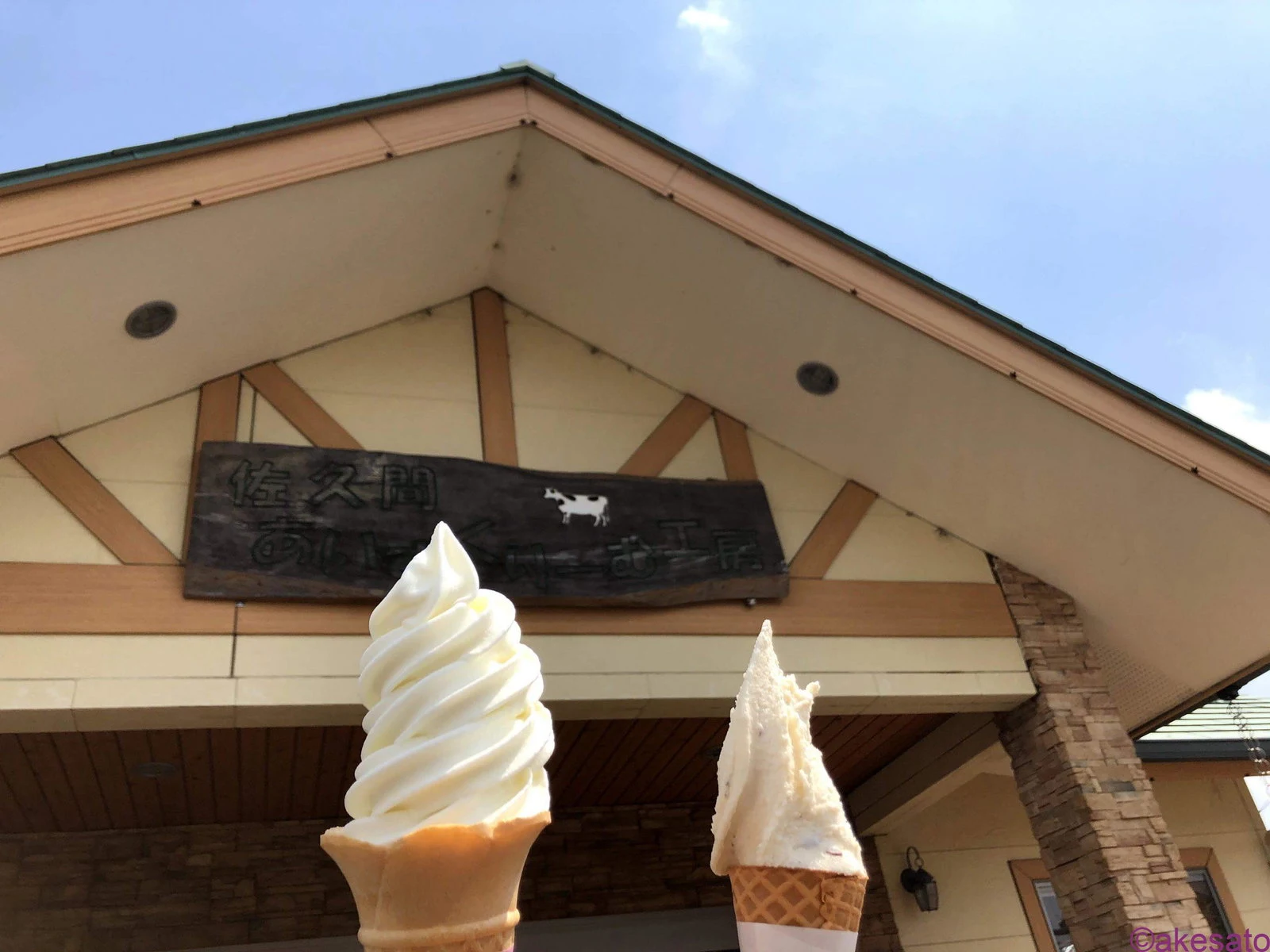
Sakuma Ice Cream Kobo

CafeIce Cream ShopAbout $7 a head
Sakuma Ice Cream Kobo

Why go

Approach a suburban Japanese ice cream shop and the first signal is restraint: a low building, practical counter, families moving through, and the quiet assumption that dessert can justify a detour without dressing itself as fine dining. In Funabashi, that matters. The city’s eating map runs less on spectacle than on specialist addresses, station-area regulars, bakeries, noodle shops, and neighborhood restaurants that reward attention over hype.

Sakuma Ice Cream Kobo fits that grammar. Its category is simple, gelato and ice cream, but it reads better within Japan’s ingredient-focused sweets culture, where dairy, fruit, tea, beans, and seasonal produce are treated as materials for precision rather than excess. A good scoop is not imitating a plated dessert; it must carry flavor, texture, temperature, and finish in a smaller frame.

Funabashi's dessert culture works through specialists, not spectacle

Funabashi is close enough to Tokyo to absorb metropolitan expectations, yet far enough from the capital’s international dining circuit to keep a local rhythm. That creates a filter: restaurants and sweet shops cannot rely only on tourists or hotel concierges; repeat local use matters. In that context, an ice cream counter earning a place in the Tabelog Ice Cream / Gelato 100 list for 2023 is a meaningful signal, placing the shop inside a national dessert category shaped by technical consistency, local reputation, and category focus.

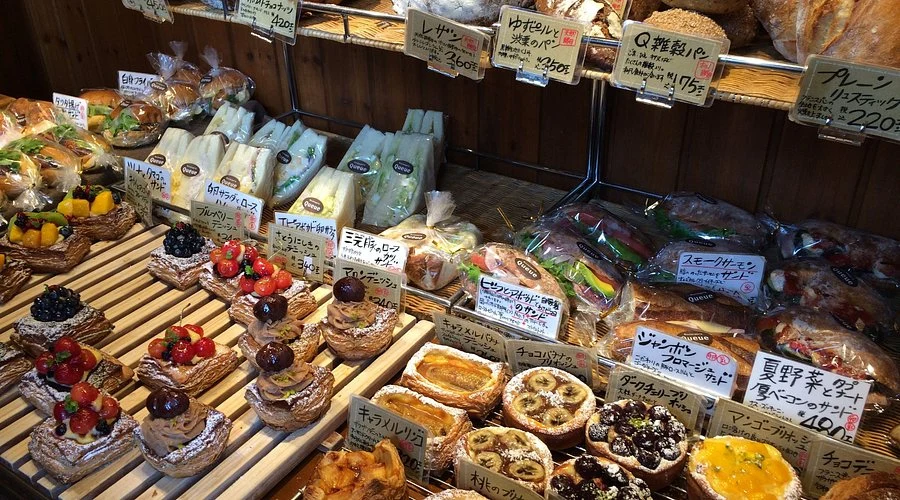
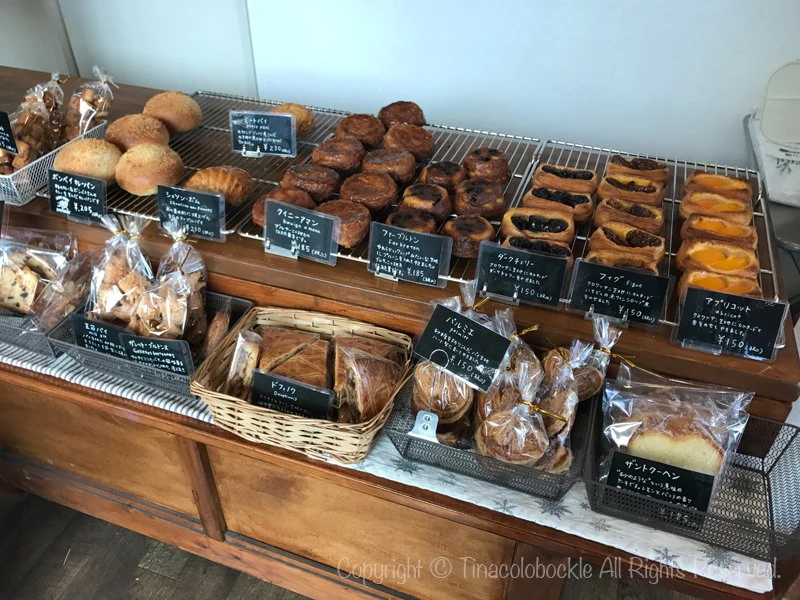
The comparison within Funabashi is instructive. Boulangerie Queue works in the bakery lane, where daily bread and pastry are measured by crumb, butter, and turnover. Funakko sits in a more meal-driven bracket, with a higher spend profile and different purpose. Akasaka Ajiichi, Ayutthaya, and BHOYE CHHEN show the city’s range across Japanese, Thai, and Nepali cooking. Dessert specialists sit apart from those meal formats, depending on a narrower question: is the product strong enough to make a short visit feel intentional?

Ingredient sourcing is the useful lens. Ice cream and gelato expose weak materials quickly. Sugar can briefly cover imbalance, but not thin dairy, flat fruit, or poor texture. Japan’s stronger dessert counters understand this, treating flavor less as a menu label than as concentrated raw material. Sakuma Ice Cream Kobo’s national ice cream and gelato recognition suggests the format is being judged against specialists, not casual cafés.

Why the award signal matters more in a narrow category

Broad restaurant awards can blur categories: a sushi counter, French dining room, and yakitori shop may share the public idea of prestige while operating by different rules. Ice cream and gelato are unforgiving in another way. The format is short: no long service arc, wine pairing, or theatrical course progression. The product arrives quickly, and the judgment arrives with it.

That makes a Tabelog 100 selection in Ice Cream / Gelato a useful editorial marker. Tabelog’s Hyakumeiten lists are category-specific, and the 2023 ice cream and gelato selection places Sakuma Ice Cream Kobo among addresses assessed within that precise field. The listed Tabelog score of 3.61 also fits a Japanese pattern: a number that may look modest to travelers used to inflated ratings elsewhere, but in a review culture where scores above the mid-threes can indicate serious local confidence.

The low-spend format changes the decision. This is not a destination built around a long reservation calendar or tasting-menu commitment. It is a specialist stop before or after a meal, or the anchor for a short neighborhood detour. That makes it different from higher-spend Funabashi dining and more focused than general cafés. The value is category concentration: ice cream as the main event, not an accessory to coffee, lunch, or retail.

The strongest reason to care is not novelty. It is how small Japanese dessert shops compress regional dining values into a compact format: seasonal awareness, clean execution, controlled sweetness, and respect for the base ingredient. Those values are not exclusive to Funabashi, but they read clearly because the surrounding scene is practical. In a city where daily-use restaurants carry much of the food culture, a specialist sweet shop must be precise enough to earn repeat attention.

How to place it within a wider Funabashi itinerary

For travelers using Funabashi as more than a transit point, Sakuma Ice Cream Kobo works well within a neighborhood eating day rather than as a stand-alone pilgrimage. The city’s appeal is cumulative: a bakery in the morning, casual lunch, specialist dessert stop, then a more substantial evening meal. That sequence gives a clearer reading of suburban Chiba eating than one destination restaurant would.

Use Our full Funabashi restaurants guide to map the food side of the city, then widen the trip through Our full Funabashi hotels guide, Our full Funabashi bars guide, Our full Funabashi wineries guide, and Our full Funabashi experiences guide. The point is not to force Funabashi into Tokyo’s dining template. It is to read it on its own terms: compact formats, practical pricing, specialist craft, and places serving local demand first.

Readers building broader Japan notes can compare how small-format food culture changes by city: -Grilled beef Sukiyaki- KAMAKURA TANUKIAN 鎌倉 たぬき庵 in Kamakura frames a historic destination through beef and set-piece dining, while. 鮪と炭火焼き うお炭 秋葉原店 in Tokyo belongs to a capital-city rhythm of tuna, charcoal, and station-area intensity..cafe in Osaka,.know in Kumamoto, (Shoku) Vietnam in Kawasaki, and [Curry Senmon Ten] Maruyama Kyoju. in Sapporo show how single-category or tightly focused venues often explain a city better than a grand dining room.

That logic travels beyond Japan. Jōdo Saké Bar in Los Angeles and Onigiri Time in Pasadena show how Japanese formats are translated abroad, often with a sharper need to explain themselves. In Funabashi, explanation is less necessary. A focused ice cream shop can simply operate inside local life, and the informed traveler can read the signals: category recognition, modest spend, specialist identity, and a product where ingredient quality has little room to hide.

Tags

ScenicCozyHidden GemFamilyCasual HangoutSoloTerraceStandalone