Why go
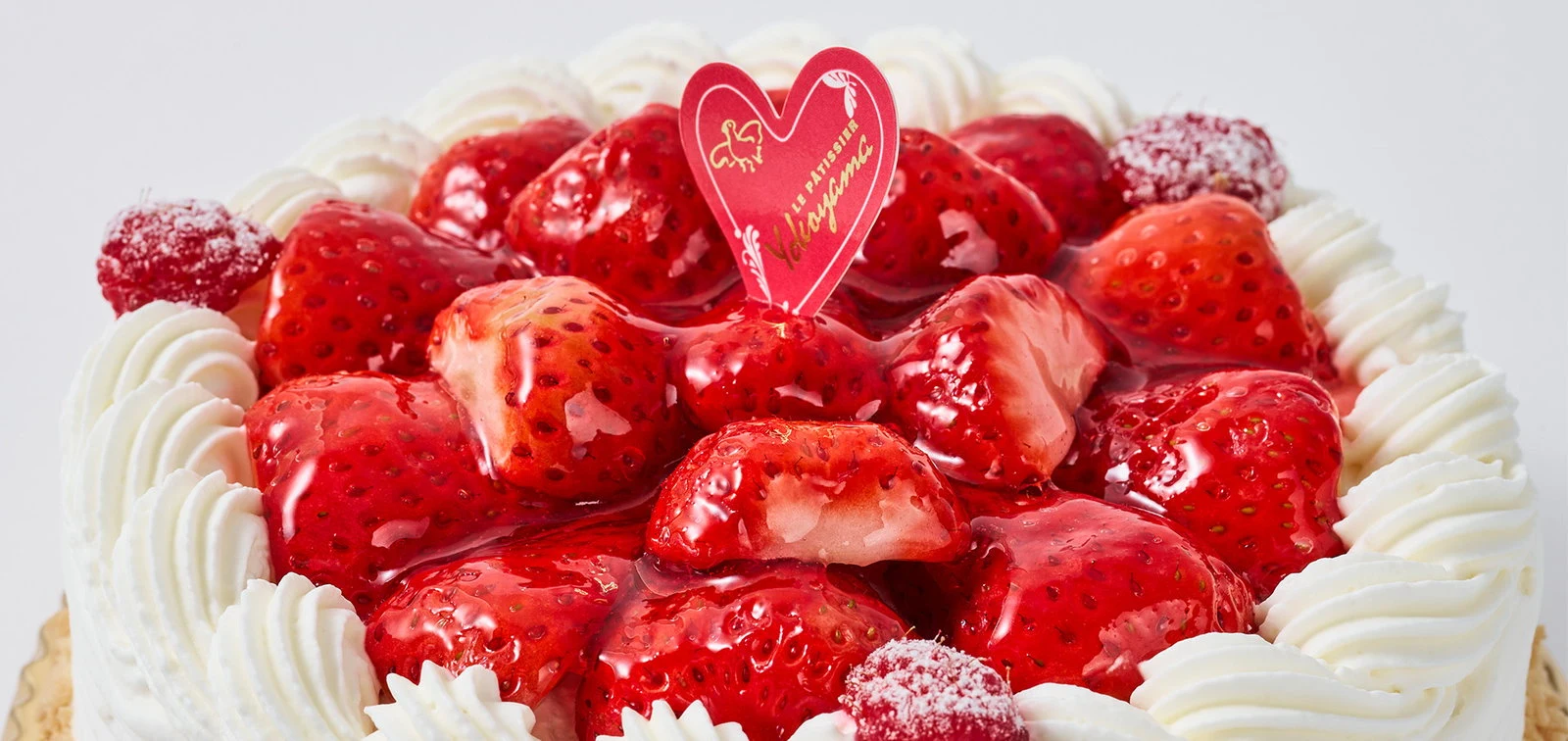
Cream puffs come out of the oven in the morning here, and the case fills in behind them with fruit tarts, decoration cakes and small baked gifts. This is the Yatsu shop of ル・パティシエ ヨコヤマ, the Narashino patisserie led by its founding chef-pâtissier, Yokoyama.
Hotel-trained pastry in a Narashino cake case
The house is a chef-led neighbourhood patisserie rather than a full-service restaurant. Yokoyama was born in Tokyo in 1963, studied at the Tsuji Culinary Institute and trained at the Osaka Hotel Plaza, Hotel Okura and Hotel New Otani before becoming chef pâtissier at Hotel New Otani Makuhari. He opened the first Le Patissier Yokoyama in Yatsu in 2001; the Okubo shop followed in 2005, giving the house a two-shop local footprint.
That background sets the standard: hotel precision applied to a retail cake counter. The kitchen bakes cream puffs and tarts each morning and builds colourful cakes around fresh fruit. Yokoyama’s competition record includes cake-craftsman wins on TV Tokyo’s TV Champion in 1998, 1999 and 2000, plus 1990s prizes for marzipan work, the Mandarin Napoléon Competition, the Luxardo Gran Premio and the Japan Cake Grand Prix.
A takeaway counter built around occasions
The shop is organised around retail pastry, not dining-room service. Guests pick from the display, order a decoration cake for a celebration, or choose baked sweets to give away. Three uses dominate: same-day fresh pastries, celebration cakes made to order, and packaged gifts.
The rhythm follows the calendar, with birthdays, anniversaries, seasonal gifting and everyday dessert runs, and limited-time items appearing as the fruit changes. The Yatsu shop keeps its own identity within the small local group, a neighbourhood pastry house with regulars rather than a chain outlet.
Start with the morning cream puffs, then follow the fruit
Order the way the counter is built. Cream puffs, baked fresh each morning, are the everyday signature; after that the fruit-led case takes over, with tarts and cakes built on whatever is in season.
Seasonal examples run to blueberry pie, blueberry mille-feuille, café tiramisu, the melon boat, a caramel Basque cheesecake with Miyazaki mango and the Daidokoro Roll for Father’s Day. The names sit between European pastry forms and Japanese seasonal cues.
For a celebration, the decoration cakes are where the chef’s competition background shows, while baked sweets and holiday assortments cover gifting. Read the case seasonally: cream puffs for an ordinary morning, fruit tarts for freshness, a whole decoration cake for a birthday or a family gathering.
Frequently asked questions
What should I order first at Le Patissier Yokoyama Yatsu ten?
Start with the cream puffs, baked fresh every morning and the shop’s everyday signature. From there the case is fruit-led: seasonal tarts, blueberry mille-feuille, blueberry pie, café tiramisu, the melon boat and a caramel Basque cheesecake with Miyazaki mango. A whole decoration cake is the choice for a birthday or a family celebration.
What is the cake programme built around?
Fresh fruit and daily baking. The kitchen bakes cream puffs and tarts each morning and finishes colourful cakes with seasonal fruit, while decoration cakes are made to order for birthdays and anniversaries. The founding chef trained at the Tsuji Culinary Institute and won cake-craftsman titles on TV Tokyo’s TV Champion in 1998, 1999 and 2000.
Compare nearby places
| Venue | Type | Area |
|---|---|---|
| Le Pâtissier Yokoyama Keisei ookubo ten | Bakery | Okubo (Keisei-Okubo) |
| patisserie SATSUKI | Bakery | Kaihimmakuhari / Mihama-ku |
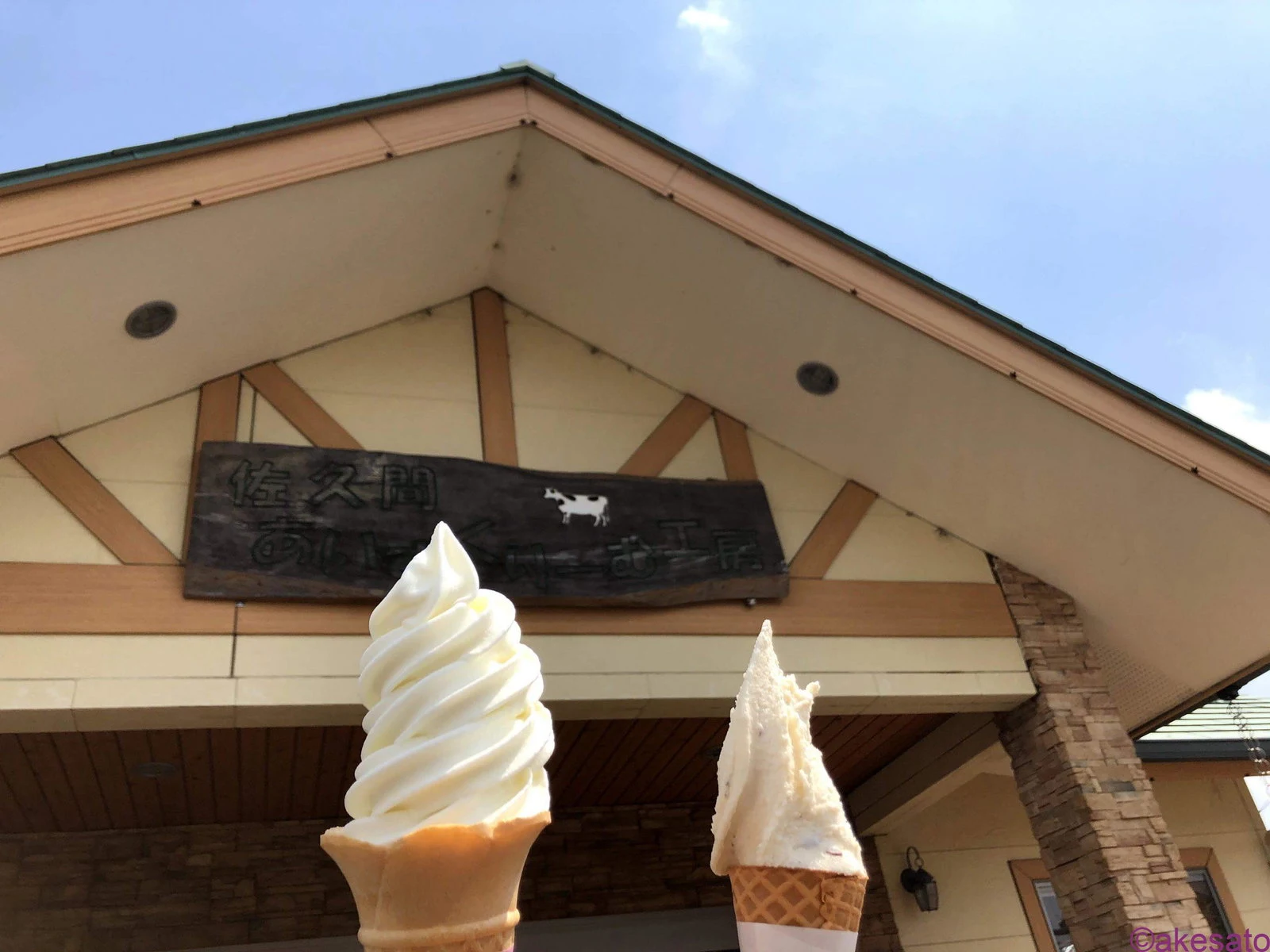
| Sakuma Ice Cream Kobo | Café | Takifudo |
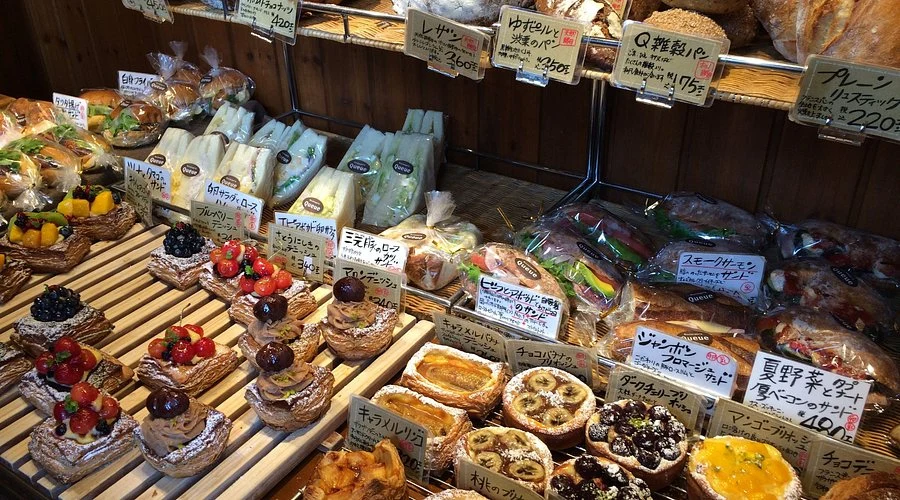
| Boulangerie Queue | Bakery | Tsuboi Higashi |
| patissier Hiro Yamamoto | Bakery | Edogawa / Shinozaki |