Why go
The Super Melon Shortcake is the reason to find this counter, a hotel patisserie on the lobby floor of Hotel New Otani Makuhari in Chiba.
Shortcake, cheesecake, pudding and hotel bread
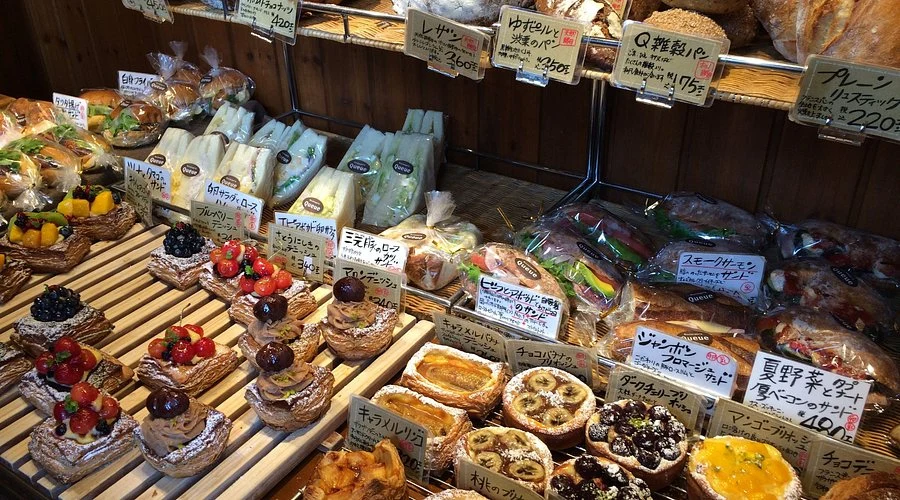
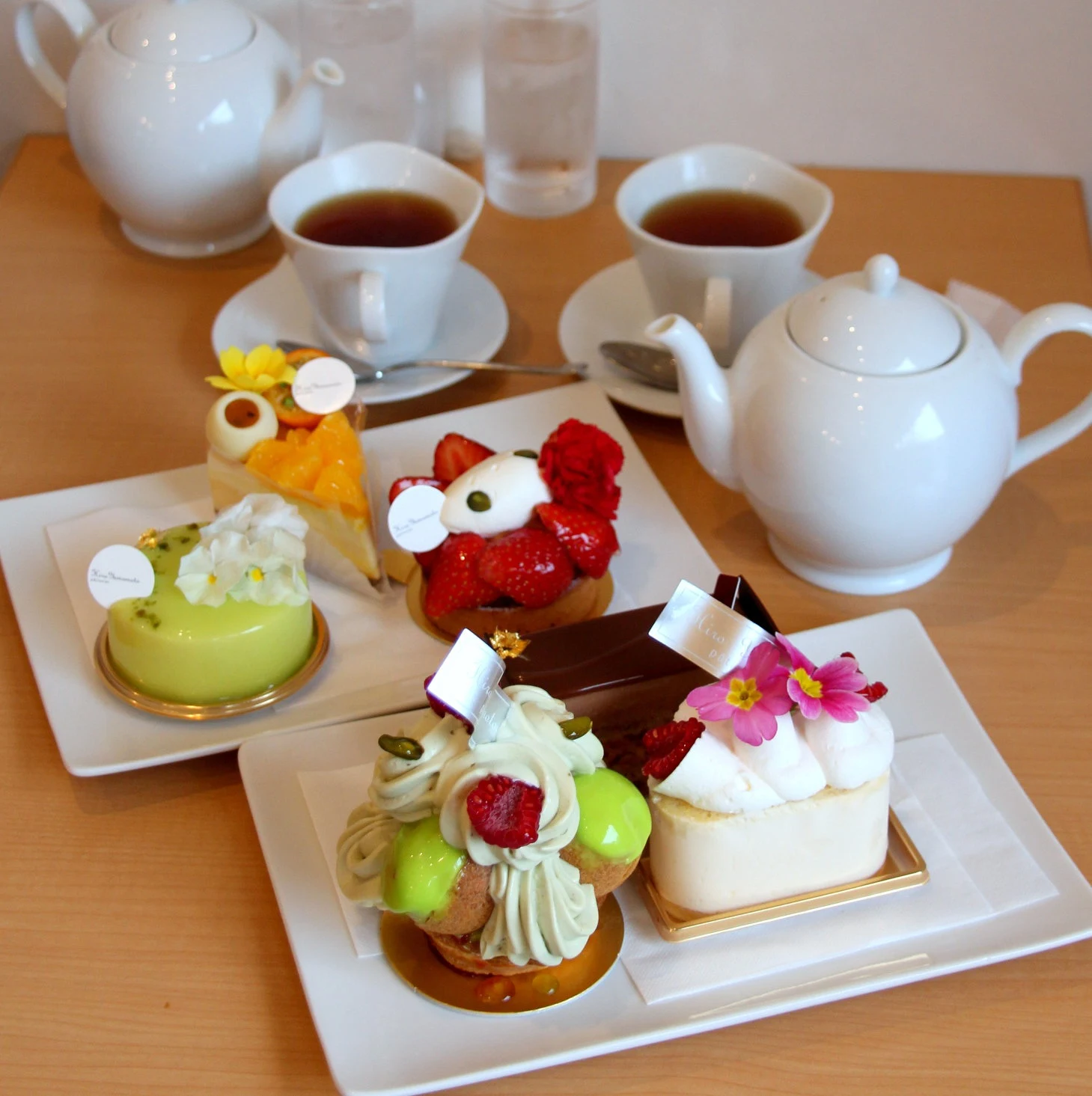
This is a hotel patisserie and bakery rather than a single-purpose cake shop, and the case is arranged to prove it. The signature line runs through the Super Melon Shortcake and its Extra Super version, strawberry shortcake, Tokyo Super Cheesecake and Tokyo Super Pure Pudding, then on to napoleon pie, Basque cheesecake, opéra légère, chocolate chiffon, tiramisu cream puffs and rolls, a new take on mont blanc, apple pie and a wasanbon cream puff. Whole cakes carry the same pieces into celebration sizes. The bakery shelf is just as central, with English bread, cream buns, a premium classic baguette, cereal toast, kouign amann, melon pan, mentaiko baguette, focaccia and an amaou strawberry croissant.
A lobby counter built for quick decisions
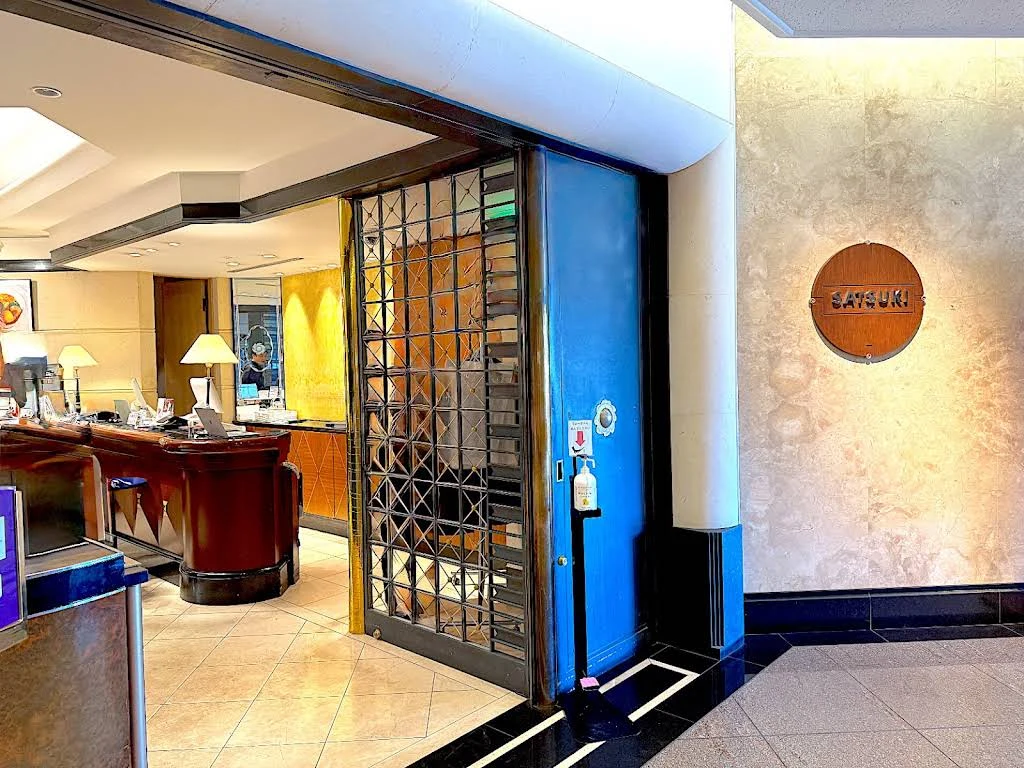
The room works the way a hotel lobby patisserie should: visible, polished and made for steady movement past the showcase rather than a long seated meal. It sits inside a larger hotel food and drink operation, so its job is front-of-house retail, and the display does the explaining, sorted into cut cakes, celebration cakes, breads, pastries and gift boxes. Sweets chosen at the counter can also be taken into adjoining hotel rooms such as The Lounge, SATSUKI and Baycourt Café, which keeps the patisserie connected to the building instead of isolated in a corner of it. Gift boxes extend the same idea, with SATSUKI macarons, chocolate carrés, Prima baumkuchen, raisin sandwiches, plant-based cookies and assorted cookie tins.
Order the Super Melon Shortcake first
Start with the Super Melon Shortcake. It is the clearest statement of house style, a hotel treatment of classic Japanese shortcake built into a signature the kitchen keeps returning to. If the occasion asks for something more emphatic, the Extra Super version is the other melon route. Tokyo Super Cheesecake and Tokyo Super Pure Pudding keep the same polish in different textures, while the matcha shortcake and the matcha castella shortcake move the lineup toward tea. Seasonal pieces come and go, from mango and yoghurt jellies to matcha pie and sweet potato items. For bread, balance a plain loaf of English bread against the kouign amann, the mentaiko baguette or the amaou croissant.
Frequently asked questions
What should I order at patisserie SATSUKI?
The Super Melon Shortcake, which is the house signature and the clearest statement of its style. The Extra Super version is the more emphatic melon option, while Tokyo Super Cheesecake and Tokyo Super Pure Pudding carry the same polish in different textures. Matcha shortcake is the tea-leaning alternative.
Is there a bakery as well as a cake counter?
Yes, and it is not an afterthought. The bread shelf carries English bread, cream buns, a premium classic baguette, cereal toast, kouign amann, melon pan, a mentaiko baguette, focaccia and an amaou strawberry croissant. A plain loaf balanced against one of the richer pastries is the sensible pairing.
Compare nearby places
| Venue | Type | Area |
|---|---|---|
| Le Pâtissier Yokoyama Keisei ookubo ten | Bakery | Okubo (Keisei-Okubo) |
| Le Patissier Yokoyama Yatsu ten | Bakery | Yatsu |
| Boulangerie Queue | Bakery | Tsuboi Higashi |
| Sakuma Ice Cream Kobo | Café | Takifudo |
| patissier Hiro Yamamoto | Bakery | Edogawa / Shinozaki |