Tsuboi Higashi

Boulangerie Queue

Bakery4.1 on GoogleAbout $10 a head
Boulangerie Queue

Why go

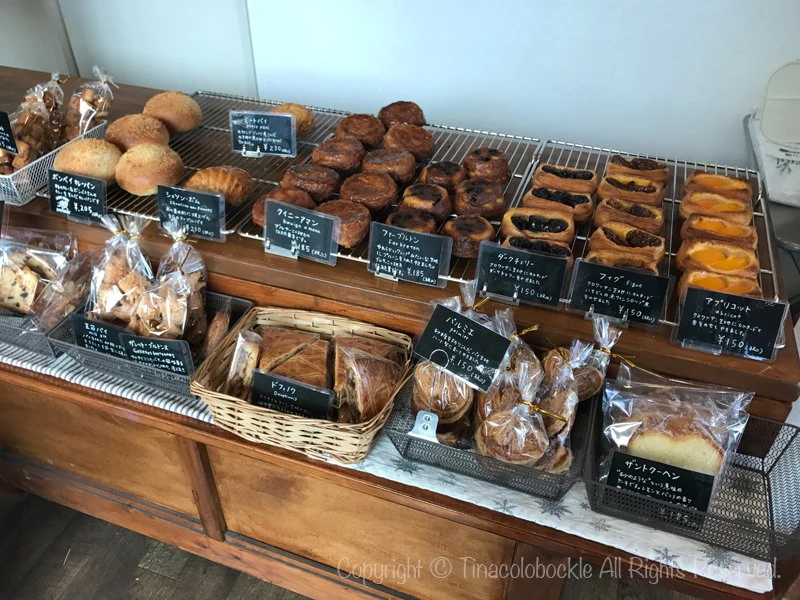
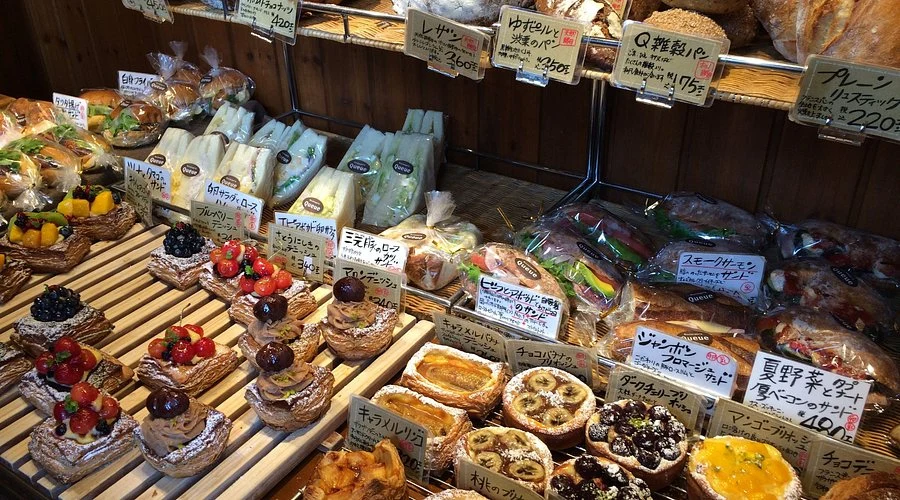
Approaching a small Japanese bakery in a residential corner of Funabashi means entering a rhythm: trays, tongs, a scan of the shelves, and the calculation of what will survive the ride home. Boulangerie Queue belongs to Japan’s precision takeaway culture, where bread is bought for breakfast tables, school bags and commuter routes, not staged for long lunch. The format matters. Serious Japanese bakeries often borrow French technique, then adapt it to local habits: smaller portions, frequent turnover, soft breads beside harder-crusted loaves, and customers who treat bread as a daily purchase rather than an occasional treat.

Funabashi is not Tokyo’s luxury dining theatre, which is part of the point. Chiba’s commuter cities have their own food grammar: practical, price-conscious, station-linked and often more revealing than central-city dining rooms built for visitors. In that setting, selection for Tabelog’s Bread EAST 100 in 2022 signals a different recognition. It places Boulangerie Queue in a regional bread conversation rather than a neighbourhood convenience category, a useful distinction in a city where everyday food is judged by repeat use, not ceremony.

Funabashi's bread culture runs on takeaway discipline, not café theatre

The strongest Japanese bakeries outside major tourist districts tend to be operationally compact. They do not need long menus or table service; consistency, range and the ability to sell bread across the day make the case. Boulangerie Queue is listed across bread, sandwich and bagel categories, placing it in a broader daily-use lane than a single-specialty counter. In Japan, that breadth often separates a serious neighbourhood bakery from a destination pastry stop: one visit can cover a morning roll, a portable lunch and something structured enough to carry home.

The context matters. Bread in Japan is not a Western import preserved in amber. Since the postwar spread of shokupan, curry pan, melon pan and French-style boulangeries, it has become a hybrid food culture with its own expectations. Customers look for softness and precision as much as crust and fermentation. Bakeries in commuter towns serve families, office workers and errand routes, and are judged with less romance than restaurants: stock, timing, value, and whether the purchase becomes part of the week. That is why a small takeaway bakery can carry culinary weight in Funabashi without fine-dining cues.

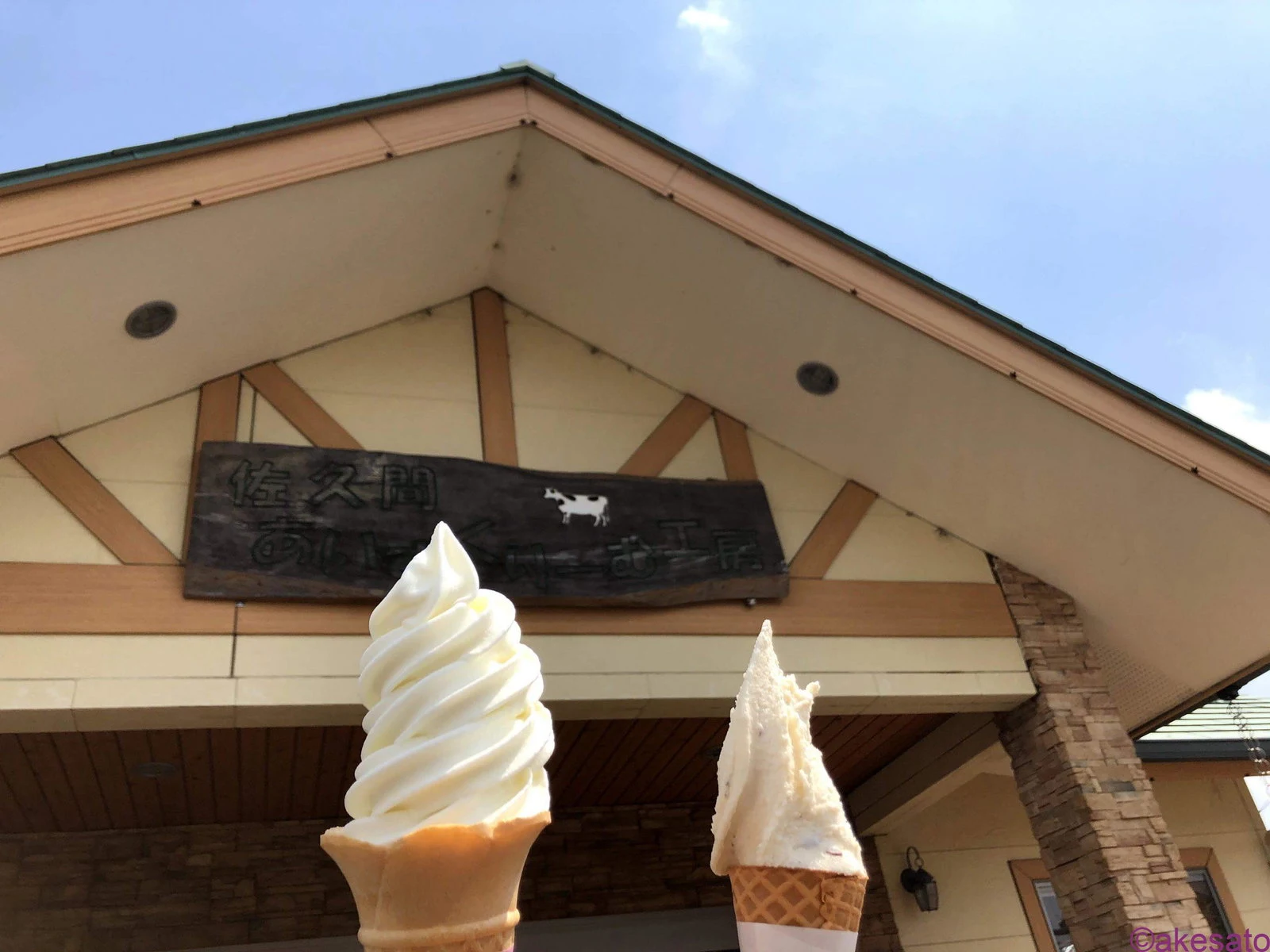
Compared with Funabashi’s other low-cost everyday stops, the bakery occupies a narrower but exacting lane. Kasho Shirotae Narashinodai honten and Sakuma Ice Cream Kobo sit in the inexpensive sweet-and-snack register, while Ramen Jiro Keisei ookubo ten belongs to a different queue culture: heavy, fast, highly codified ramen. Boulangerie Queue is quieter, but the standards are no less demanding. Bread exposes inconsistency quickly; flour, proofing and bake cannot be disguised by sauce or garnish. Recognition in a regional bread selection is therefore a useful trust signal, reflecting craft judged in repetition.

The appeal is breadth within a small-shop frame

Boulangerie Queue should be read as a specialist everyday bakery, not a restaurant with a bakery section. There is no need to impose a chef-driven narrative. The editorial interest lies in how much Japanese food culture happens in places not built for lingering: department-store basements, station counters, depachika pastry cases, onigiri shops and suburban bakeries. In these formats, the customer decision is fast, but the craft behind the shelf is slow. Funabashi’s version is less performative than Tokyo’s central wards, and for many travellers more instructive.

The shop’s selection for Tabelog’s Bread EAST 100 in 2022 gives it a credible place among eastern Japan’s recognized bread addresses. It is not a Michelin-style signal and should not be read that way; it is category recognition within a platform where Japanese diners scrutinize everyday restaurants and specialty shops closely. The listed Tabelog score of 3.68 reinforces the point: in Japan’s rating culture, numbers in that range can indicate serious local traction, especially for non-luxury formats shaped by repeat customers.

For a visitor building a Funabashi day around food rather than landmarks, the bakery works differently from a sit-down meal. It is a morning or midday anchor, something to pair with a walk through the area or a rail-linked itinerary rather than a long reservation slot. That makes it complementary to the city’s casual dining map: Akasaka Ajiichi, Ayutthaya, BHOYE CHHEN, Funakko and Gandhi all point to a city where everyday dining covers Japanese, South Asian and regional casual formats without demanding a formal itinerary.

How to place it in a Chiba food day

The practical reading is simple: treat Boulangerie Queue as a takeaway specialist and plan around the fact that small Japanese bakeries reward earlier shopping. That does not make the visit a pilgrimage; it means understanding the category. Bakeries with compact premises and steady local demand often feel more like supply-and-demand rituals than relaxed browsing rooms. Fold it into a morning route, then let lunch or dinner carry the sit-down part of the day.

Funabashi’s value for travellers is its ordinary specificity: a view of how suburban Japan eats when no one is designing the scene for visitors. That includes bakeries, ramen counters, family-friendly rooms and compact international restaurants. For broader planning, use Our full Funabashi restaurants guide alongside Our full Funabashi hotels guide, Our full Funabashi bars guide, Our full Funabashi wineries guide and Our full Funabashi experiences guide. The wider Japan and international dining map adds contrast, from -Grilled beef Sukiyaki- KAMAKURA TANUKIAN 鎌倉 たぬき庵 in Kamakura and. 鮪と炭火焼き うお炭 秋葉原店 in Tokyo to.cafe in Osaka,.know in Kumamoto, (Shoku) Vietnam in Kawasaki, [Curry Senmon Ten] Maruyama Kyoju. in Sapporo, Jōdo Saké Bar in Los Angeles and Onigiri Time in Pasadena.

The critical case for Boulangerie Queue is not that it turns bread into spectacle. It does something more useful for understanding Japan: it shows how deeply craft can sit inside routine. In Funabashi, that routine is the story.

Tags

CozyHidden GemClassicSoloFamilyCasual HangoutAfter WorkStandalone
Boulangerie Queue — Artefice