Why go
A small room that smells of wheat
The scale is the first thing to register: Bakery Feve is one modest room near the railway in Kashiwa's Izumicho, filled with the smell of flour and lined with whatever came out of the oven that morning. It opened in December 2012 and has worked the same way since, baking on domestic Japanese wheat and finishing each item by hand rather than running a long standardised list.
That flour choice is the quiet decision behind everything on the shelves. Domestic wheat behaves differently from the imported strong flours most bakeries lean on, and working with it commits a small shop to shorter, more attentive batches. There is no seating and no cafe side. This is retail baking, done at a size where the person behind the counter knows what is still warm.
Croissant, cream pan, kouign-amann
The croissant is the house recommendation and the clearest read on the butter, which arrives in the aroma before the first bite and stays through the layers. The cream pan is the quiet star: soft and moist, with a custard held back on sugar so the dairy carries it rather than sweetness, which is a harder line to hold than it sounds.
The kouign-amann is the one that disappears. Its base caramelises into a lacquered, brittle sheet that shatters against the soft laminated layers above, and on a busy day it goes before the afternoon does. Scones round out the counter for anyone who wants something plainer to carry home, and the rest of the case fills in around whichever of the three is running that day.
Tabelog 100 in a shop this size
Feve was named to the Tabelog 100 bread list for eastern Japan in 2022, which puts a single-room neighbourhood bakery in the same selection as operations many times its size. Nothing about the shop plays to that. The range is short enough to read in one pass, the counter stays a counter, and the only reward for arriving early is that more of it still exists.
Treat it as a stop on the way rather than an outing. Choose two or three things, take them with you, and let the croissant settle the question of whether to come back. On the evidence of the butter alone, most people do.
Frequently asked questions
What should you order at Bakery Feve?
The croissant, which the shop puts forward first and which shows the butter most clearly. The cream pan is the other one to take: soft and moist, with a custard deliberately held back on sugar. If the kouign-amann is still there, add it, because the caramelised base is the best thing in the case and it sells out.
Is Bakery Feve a café you can sit in?
No. It is a retail bakery in one small room in Kashiwa's Izumicho, with no seating and no café service. You choose from what has been baked that morning, pay at the counter and take it away. The bakery works on domestic Japanese wheat and has been baking on that basis since it opened in December 2012.
Compare nearby places
| Venue | Type | Area |
|---|---|---|
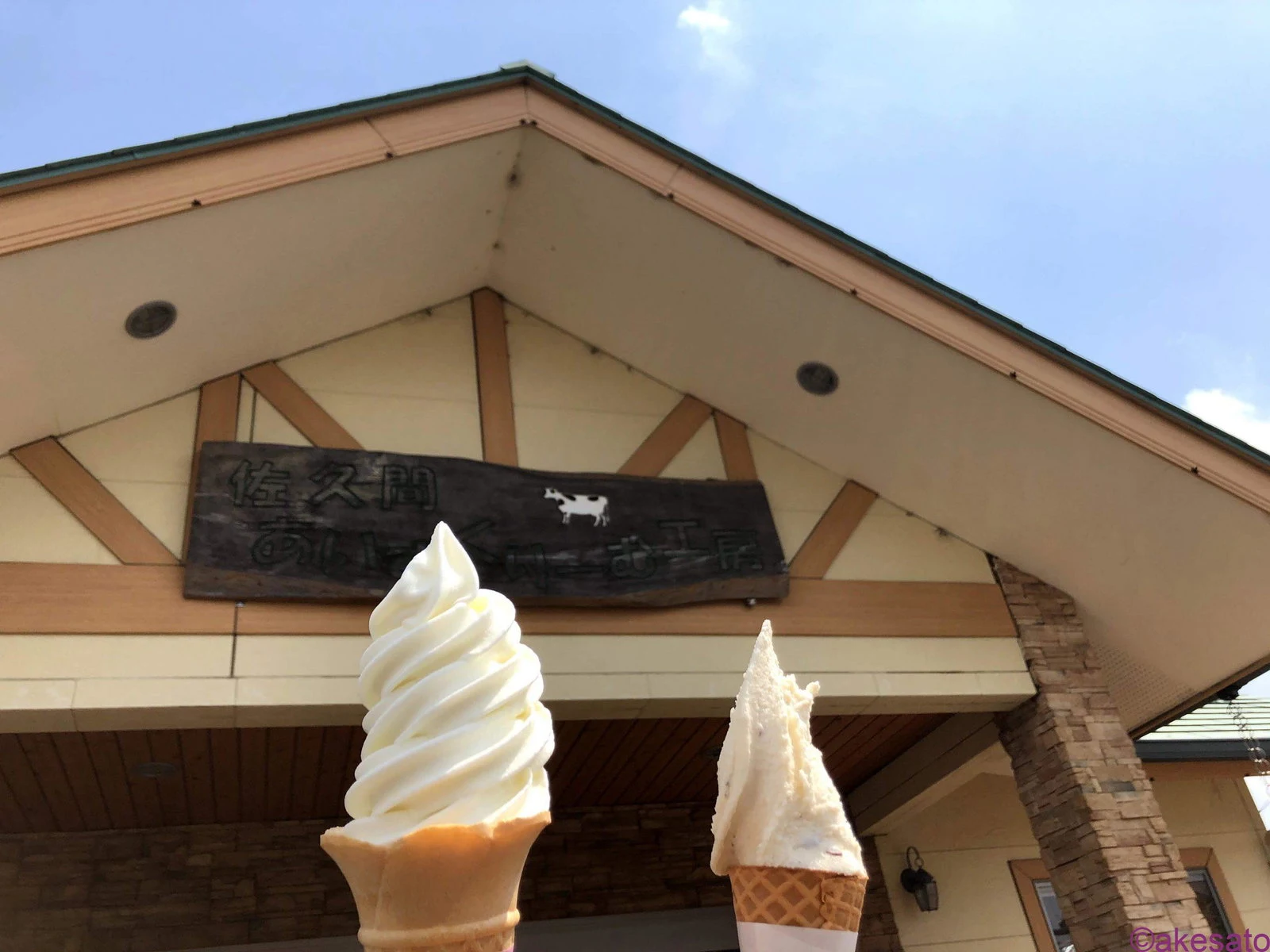
| Sakuma Ice Cream Kobo | Café | Takifudo |
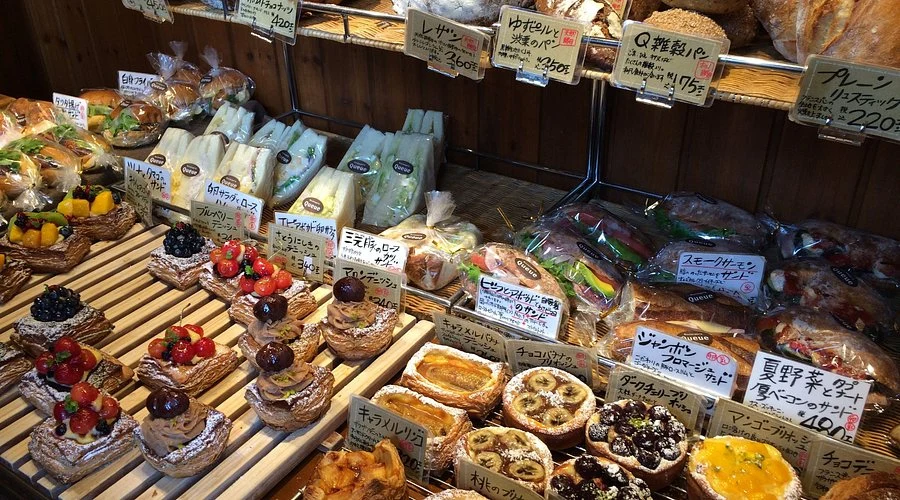
| Boulangerie Queue | Bakery | Tsuboi Higashi |
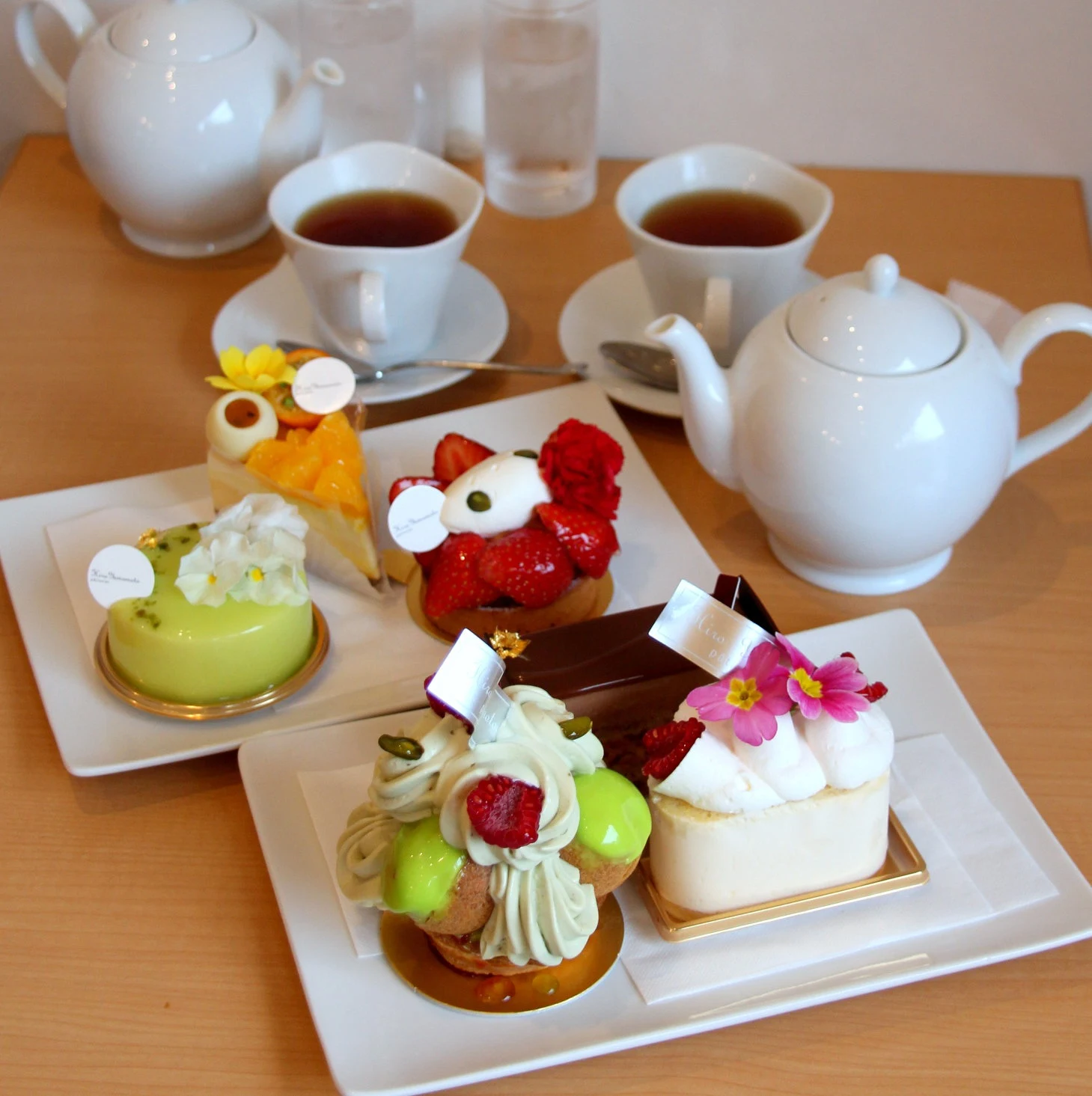
| patissier Hiro Yamamoto | Bakery | Edogawa / Shinozaki |
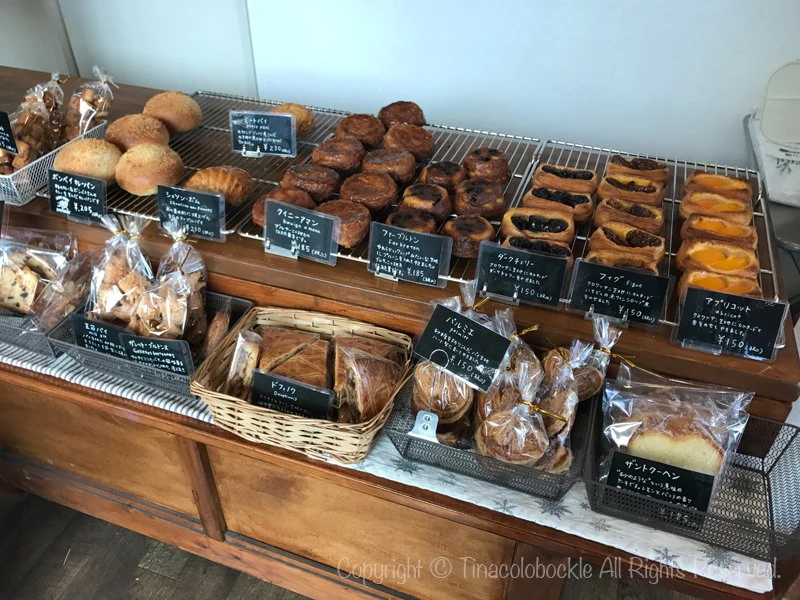
| Le Patissier Yokoyama Yatsu ten | Bakery | Yatsu |
| Le Pâtissier Yokoyama Keisei ookubo ten | Bakery | Okubo (Keisei-Okubo) |