Why go
Fresh fruit sets the terms
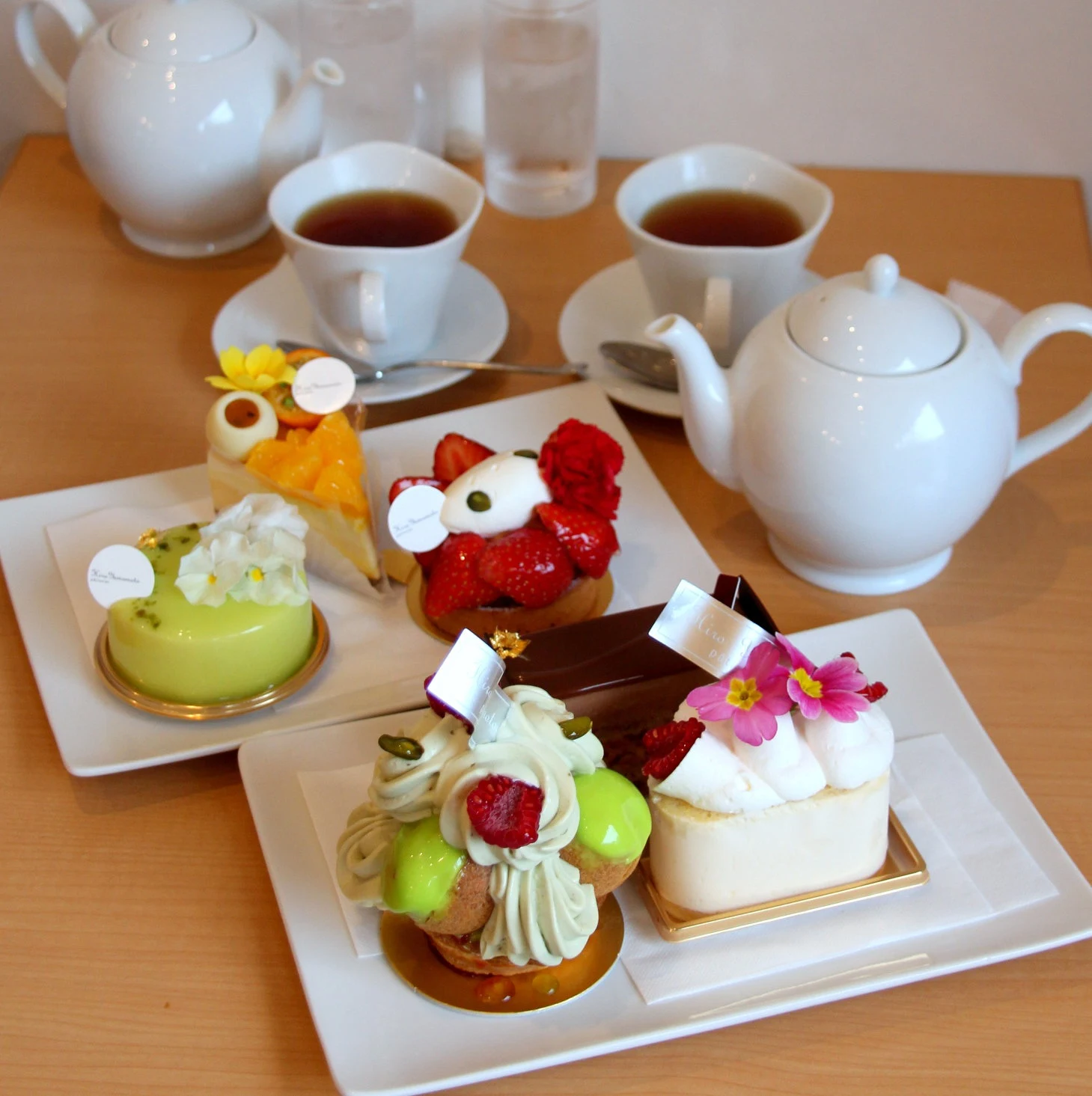
The rule behind the cake case is simple: no canned fruit, only fresh fruit in season. That puts the calendar in charge of the pastry work, deciding which fruit cakes appear, what goes inside the whole cakes and how the decoration is built, and it is the clearest thing to know about Patissier Hiro Yamamoto before choosing anything. The shop is a French-style pâtisserie in Shinozaki, in Edogawa, open since January 2011, and it works in a broader register than a specialist counter: fresh cakes and whole cakes, baked sweets and bread, chocolates, and boxed gifts. Christmas cakes come round each year as they do across Tokyo. This is a neighborhood pâtisserie rather than a salon, and cakes, bakes and chocolate carry it.
A counter for choosing, boxing and carrying home
The shop is founder-led. Hiro Yamamoto trained abroad before working at several well-known shops in Japan, and that grounding shows in the French technique behind the case. The visit itself is short by design: choose, have it boxed, take it away, since this is not a room built for sitting with a fork. The range covers most reasons for walking in. A fresh cake or a whole cake handles a family occasion. Baked sweets or a loaf make a smaller everyday purchase. Chocolate works when a gift has to be compact, and the boxed assortments cover the rest, which is why the same counter serves a birthday and a Tuesday afternoon equally well.
Order the seasonal fruit cake first
Start with whatever fruit cake is current, because it states the house rule most directly: fruit chosen for the time of year, never out of a tin. A mango éclair is another of the named pieces and reads the same way, fruit first with the pastry built to carry it. For an occasion, think in whole cakes rather than single slices, which is where the decorating work gets room to show. If the errand is a gift, the chocolates and the boxed assortments do the job better than a fresh cake that has to be eaten the same day. Baked sweets and bread are the answer when something less perishable is wanted, or when the purchase has to stretch across several servings rather than one sitting.
Frequently asked questions
What should I order at patissier Hiro Yamamoto?
Whatever fruit cake is in season, since the shop works only with fresh fruit and never with canned, so the case follows the calendar. The mango éclair is another of the named pieces. For an occasion order a whole cake, and for a gift the chocolates or a box of baked sweets travel better.
What kind of pâtisserie is it?
A French-style neighborhood pâtisserie in Shinozaki, in Edogawa, open since January 2011 and run by a pastry chef who trained abroad before working at several well-known shops in Japan. The range covers fresh cakes and whole cakes, baked sweets and bread, chocolates and boxed gifts, with Christmas cakes each year.
Compare nearby places
| Venue | Type | Area |
|---|---|---|
| patisserie de bon coeur Musashikoyama honten | Bakery | Musashikoyama |
| Patisserie SOURIRE | Bakery | Meguro |
| Patisserie l’abricotier | Bakery | Koenji |
| Patisserie du Chef FUJIU | Bakery | Hino / Takahatafudo |
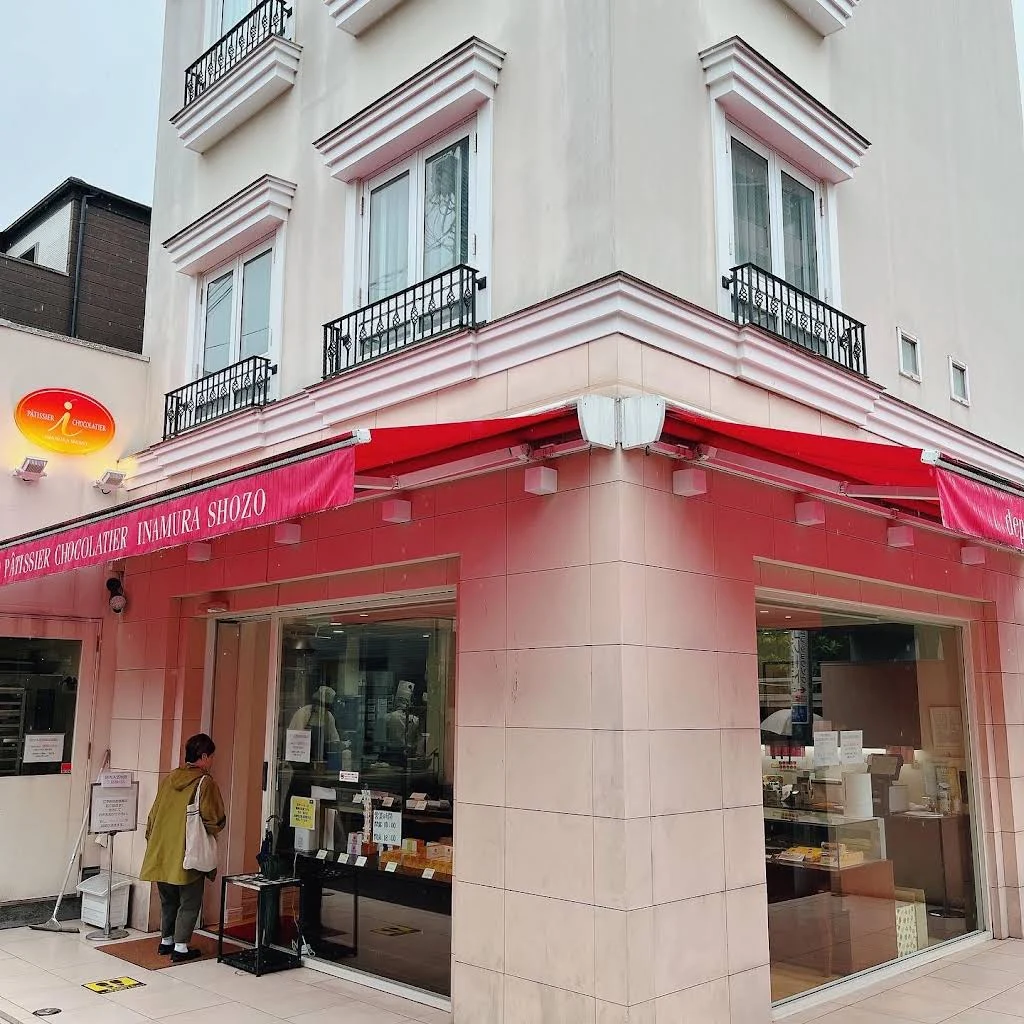
| French Gashi Patissier Chocolatier Inamura Shozo | Bakery | Yanaka |